2 November 2026
Businesses/Sport

- Home
- About me
-
Services
Add memories of every moment
Giovanni PapiniTHE SERVICES I OFFER - Projects
- Print Online
- Contact me


In recent years, I have increasingly found myself combining wedding and corporate event photography with covering races and sporting events in Tuscany: football clubs, cycling teams, amateur tournaments and athletics competitions. It’s a very different kind of work from everything else I do, and it’s worth explaining exactly how it differs from a traditional event, because those organising a race or supporting a team often start out with expectations based on weddings or conferences – expectations that don’t apply in quite the same way here.
At a wedding or a corporate conference, the photographer has time to frame the shot, wait for the right moment, and ask someone to turn towards the light. At a sports event, there’s no such time: the action happens once, lasts a fraction of a second, and if you’re not in the right place with the right settings, that moment is lost forever. The equipment changes, the position changes, and even the way you think about the shot changes before you even press the shutter button.
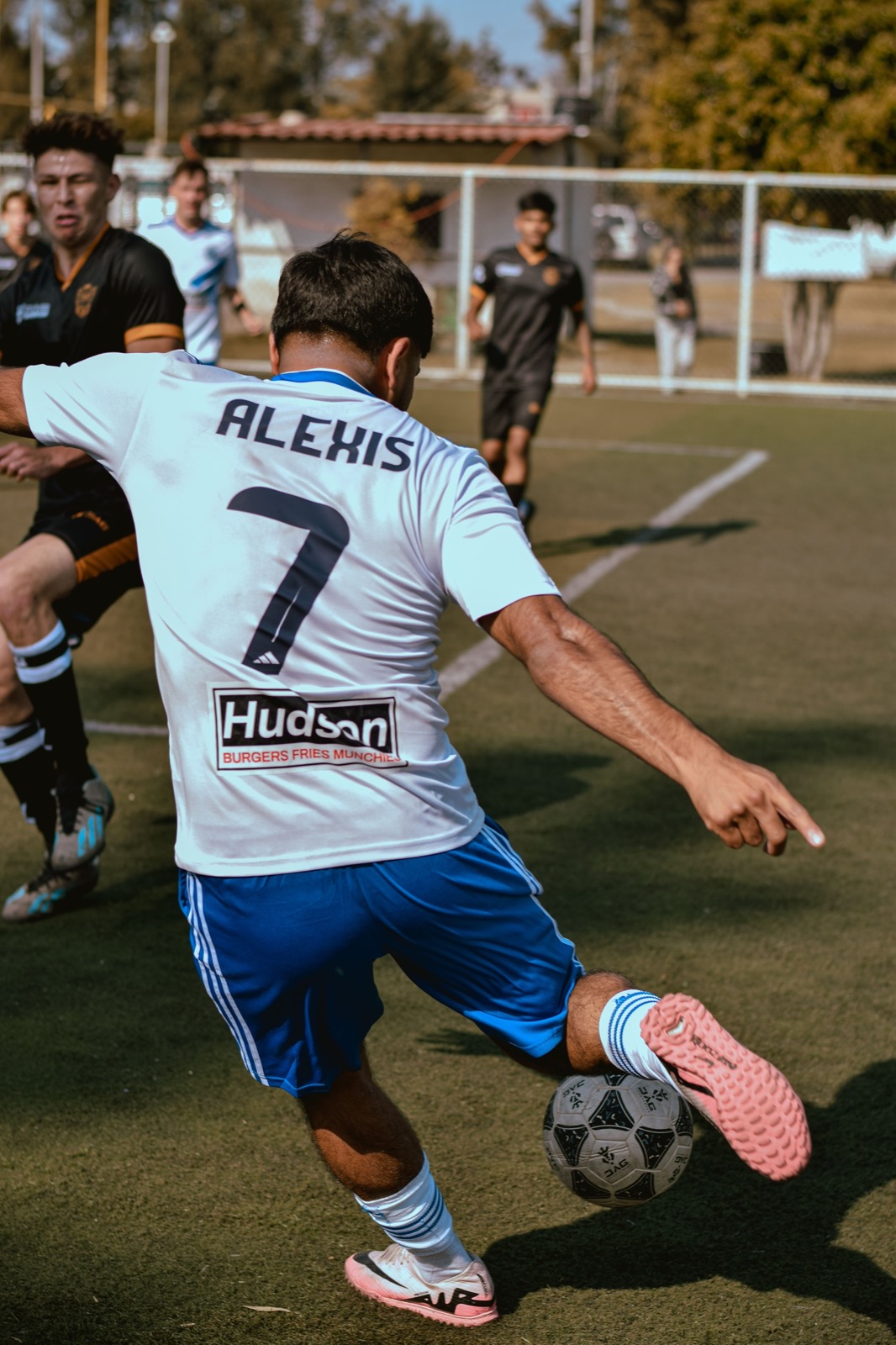
To capture the action, I need longer focal lengths than those I use for wedding photography – lenses capable of keeping a fast-moving subject in focus even from a distance. The camera must be able to shoot in continuous mode without missing a beat, because it is often not a single frame that captures the action but the sequence: the pass, the clash, the celebration after the goal. Working with two camera bodies – one with a shorter lens for close-up moments and one with a longer lens for action from a distance – means I don’t waste time changing lenses whilst the match is still on.
Position is almost as important as the equipment. Every sport has its safe zones and best vantage points: on the touchline at a football match, near the finish line in a road race, or along the course where the light and the backdrop help to frame the shot. The first task, even before taking any shots, is to work out with the event organisers where I can position myself without getting in the way of athletes, referees or the public, and where I can move during the competition to change my viewpoint without missing the main action.
Many matches aren’t played under the summer afternoon sun: a pitch lit by floodlights in the evening, a sports hall with lighting designed for the players rather than the photographers, an arena with lights that change colour from one corner to another. In these conditions, having the right kit isn’t enough if you don’t also know how to set it up: increasing the ISO as much as necessary without compromising the quality of the shot, choosing shutter speeds that freeze the action without making the photo too dark. It’s one of the reasons why, before an indoor or night-time event, I always carry out a site visit or at least ask for a description of the lighting set-up: turning up on the day without knowing what to expect, with this sort of lighting, means running the risk of missing the best moments.
Are you organising a race or supporting a team and want to find out how best to cover it? Let’s discuss it before the event.
When a sports club contacts me, they usually need two very different things: the official team photo – the one that goes on the website or on the noticeboard at the clubhouse – and a report on the match itself, full of action, tension and the prize-giving. These are two jobs that require almost opposite approaches, and it’s useful to know this before setting a date.
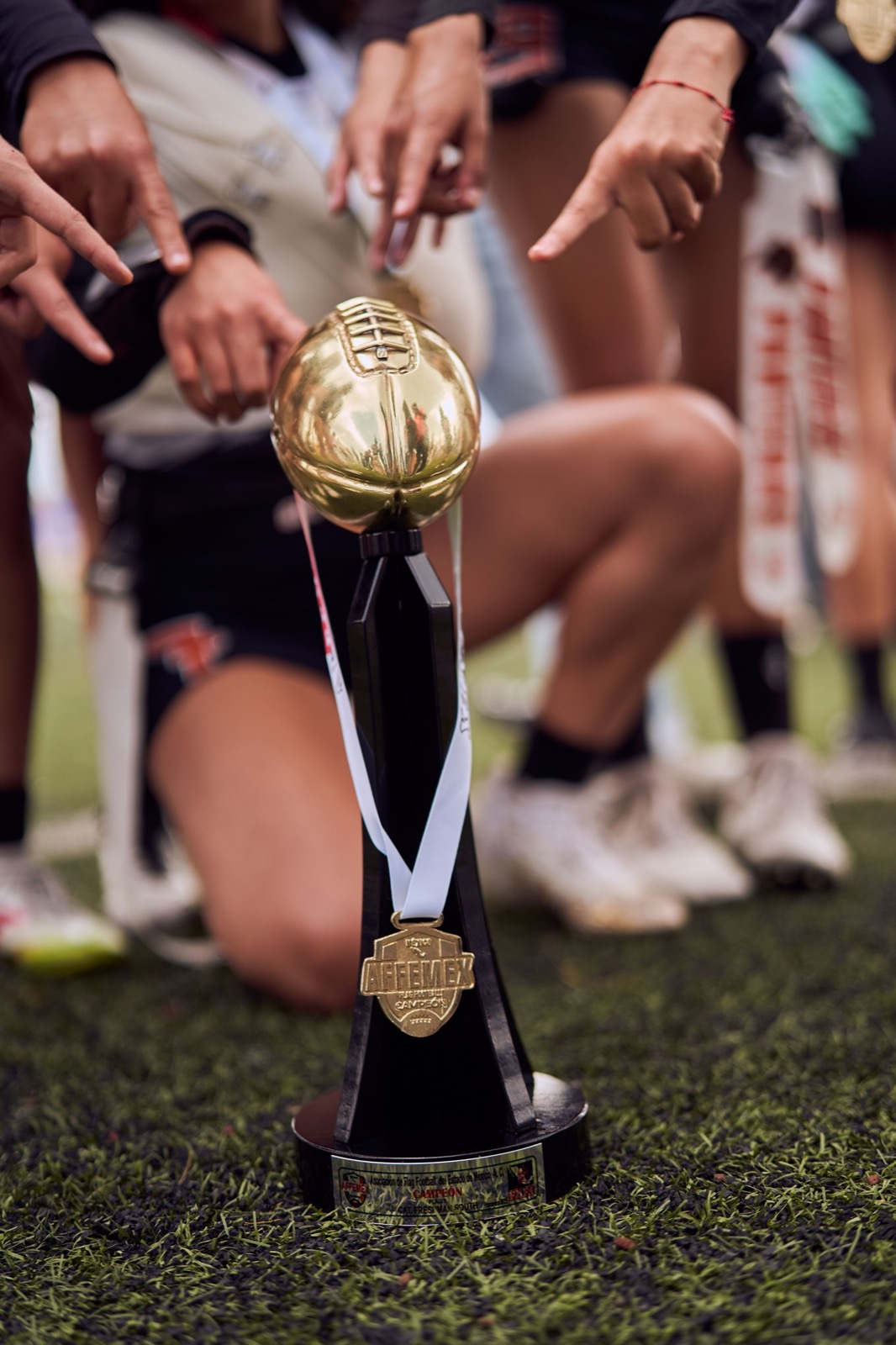
The official team photo is a carefully organised affair: a posed shot, carefully considered lighting, everyone lined up and clearly identifiable – useful for press releases, sponsors and corporate material. Match photography is the exact opposite: no one poses, no one looks at the camera, and the value of the photo lies in the moment it captures, not in perfect composition. Sports clubs often need both on the same day, and organising the timing well — the team photo before the warm-up begins, the match coverage during the game, and the prize-giving at the end — means they don’t have to choose between the two.
Do you need both the official photo and the race report? Let’s work out the right schedule for the day together.
As well as team photos and match coverage, many clubs also ask me for shots specifically designed for communications purposes: a clean close-up of a player with the sponsor clearly visible on their shirt, a wide shot of the stadium or sports hall for a press release, and a few vertical shots tailored for social media stories. It’s not extra work that’s complicated to organise, but it does need to be factored into the day’s schedule: it’s easier to think about it beforehand, whilst deciding what to photograph, than to improvise on the sidelines once the match has already started.
In the world of sport, fast turnaround matters more than in almost any other type of service I provide. A winning team wants to publish the photo from the award ceremony that very evening, not a week later: that’s when that photo is at its most valuable for social media and the club’s communications.
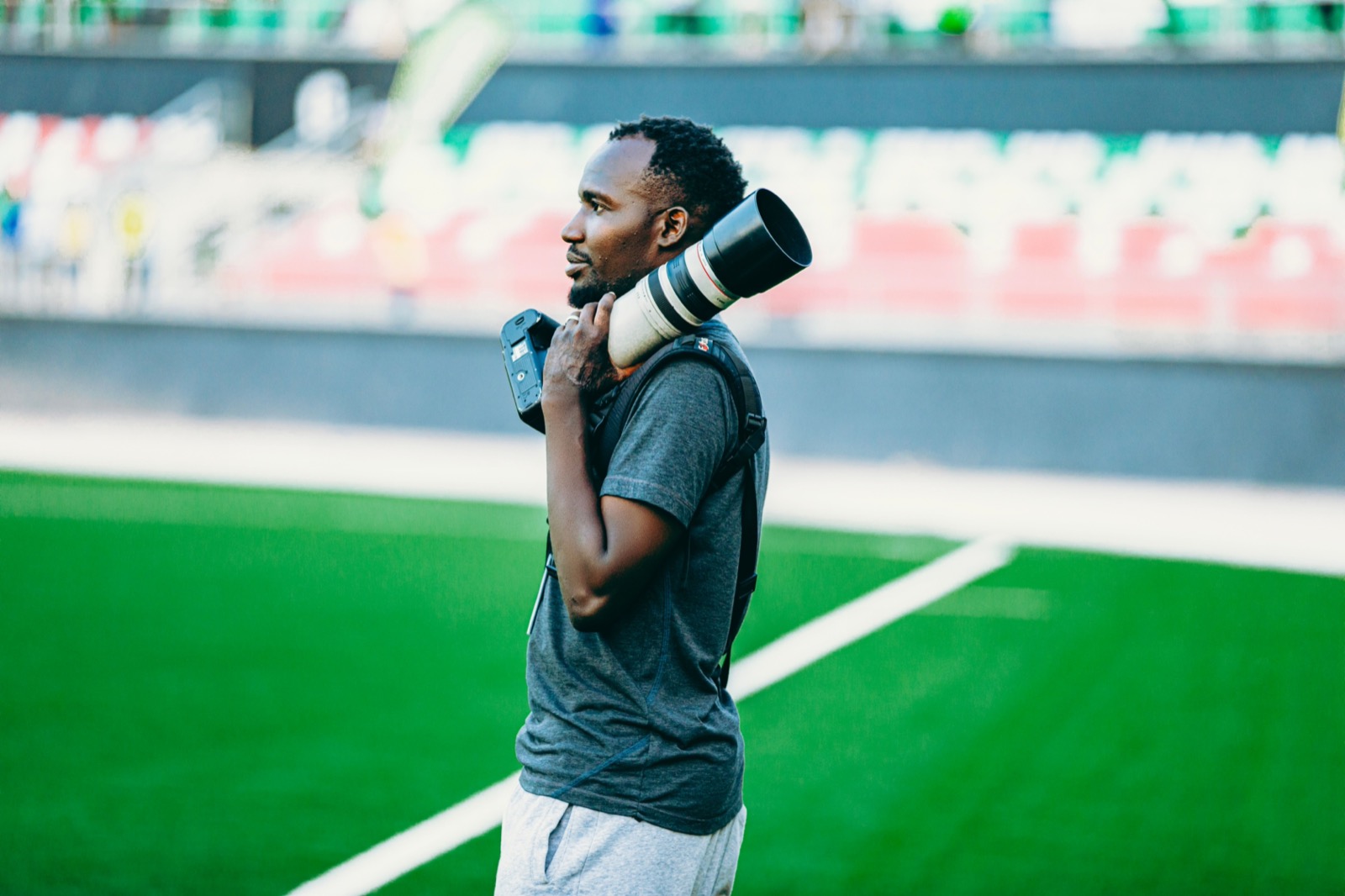
That’s why, when I’m working at a sporting event, I organise the selection and editing process so that I have an initial batch of photos ready in the hours immediately following the race, even though the complete and final set isn’t delivered until the following days. A good photo that’s available straight away, on a social media channel where people only glance at it for a few seconds, is almost always worth more than a perfect photo that arrives when the excitement of the moment has already passed.
Here too, as with a wedding, there is no fixed price: the cost of sports photography depends on the duration of the event, how many photographers are needed to cover multiple angles simultaneously, and how quickly the first batch of photos needs to be delivered. A match lasting a couple of hours with a single photographer and delivery in the following days costs differently from a full-day tournament with two photographers and an express selection available that very evening. These are factors for drawing up a quote, not fixed figures: the best way to find out is to tell me the format of the event and the sporting season ahead, so we can put together an arrangement that works match after match, not just for a single event.
Many sports clubs I work with prefer an agreement covering the entire season rather than a quote on an event-by-event basis: it helps with budget planning, and it allows me to get to know the team better, the moments that really matter to each player, and the way the club communicates on social media. It isn’t the right choice for everyone — a single tournament or a one-off event still requires a separate quote — but for those who follow a team all year round, it’s almost always the easiest solution to manage.
Would you like to find out whether a season-long deal or a one-off deal would be best for your club? Tell me about your fixture list and we’ll discuss it.
Is a site visit required before the event? Not always, but for an indoor venue or one with specific lighting conditions, I always recommend it: it avoids any surprises on the day of the race and allows me to arrive with the settings already correct.
How many photos do you deliver after a sporting event? It depends on the duration and the number of photographers, but generally speaking, the selection is broader than at a wedding: in sport, it’s better to show more moments from the game, not just the perfect shots, because they give a better sense of how the match unfolded.
Can you follow the training sessions as well, not just the races? Yes, this is particularly common with clubs that want regular content for social media: a well-photographed training session, with less pressure than an actual match, is often easier to organise in advance.
Do you also photograph individual sports, not just team sports? Yes: road races, athletics competitions, individual tournaments. The position and timing of the shots may vary, but the underlying principle — following the action and delivering the shot quickly — remains the same.
Do you need a video as well as the photos? It depends on the event: for a short race, photos are often enough; for a tournament or a whole season, a highlight video is a great help when it comes to social media posts. As with the other services I provide, I can handle both on the same day, organising the coverage so that they don’t get in each other’s way.
At the moment, I don’t have a page dedicated solely to sports photography: I include these photo features amongst the corporate events e sportspeople which I cover throughout Tuscany, alongside corporate portraits and conferences. It’s a niche I’m developing article by article, sharing what I learn race by race, and which I plan to turn into a dedicated page once there is enough demand to justify it.
If you support a team, organise a tournament or work for a sports organisation and want to find out whether this type of cover is right for you, take a look at some examples in the portfolio Or drop me a line: I’ll tell you how I’d organise it for your next race, whether it’s a one-off event or a whole season.
 Italian Italian
 English