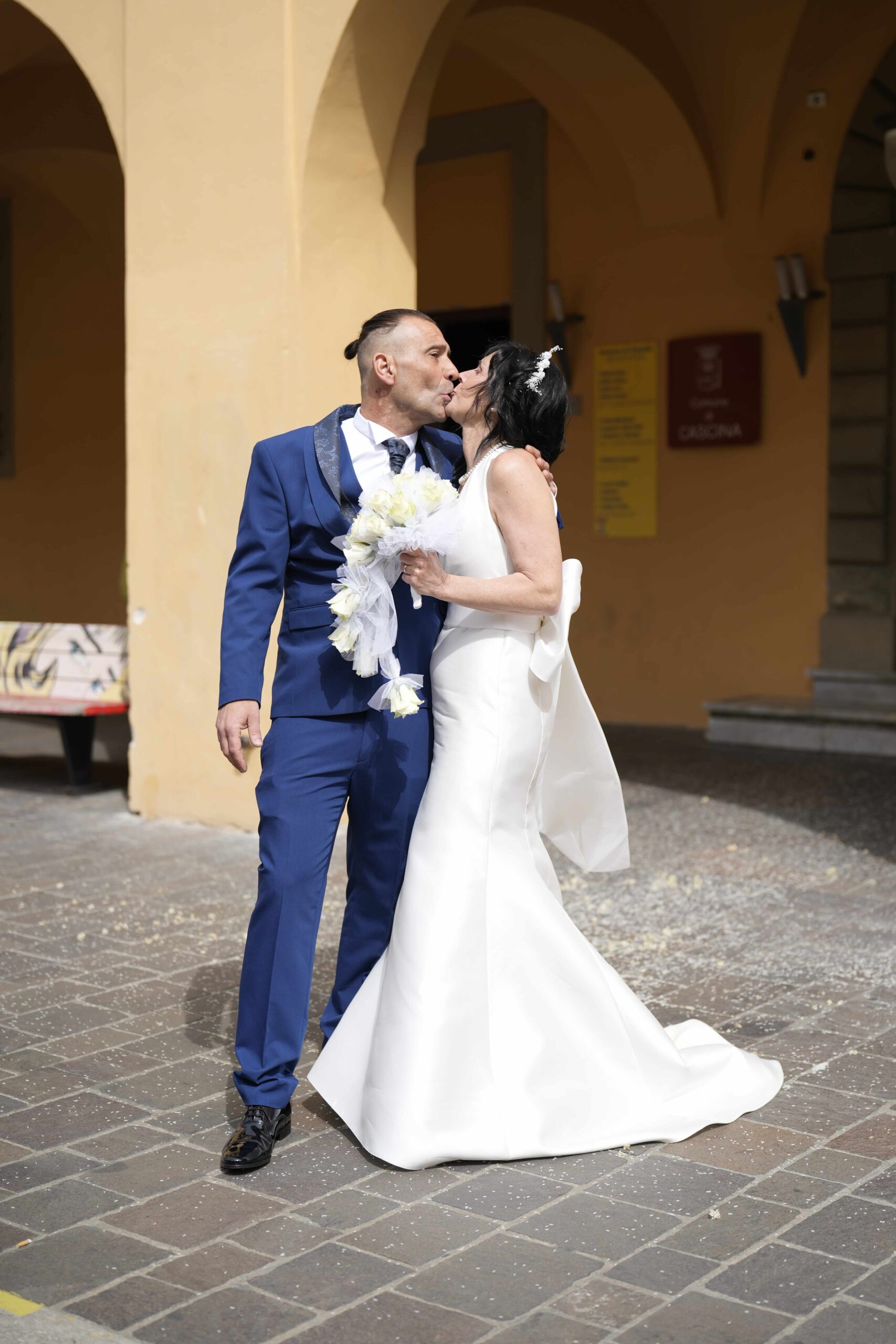
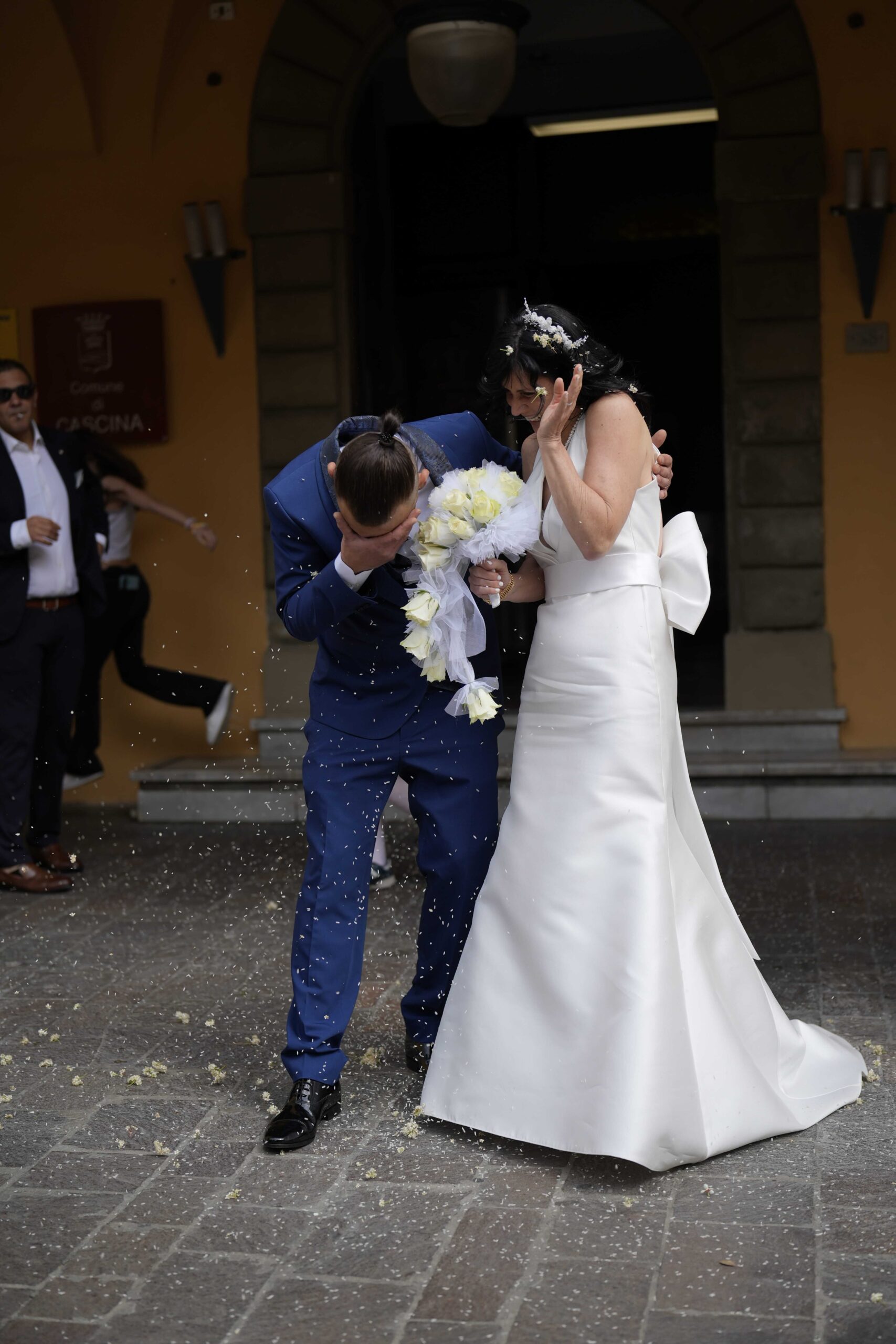
We are here to
help you to
remember the
best days
Heart of the best memories

Wedding photography


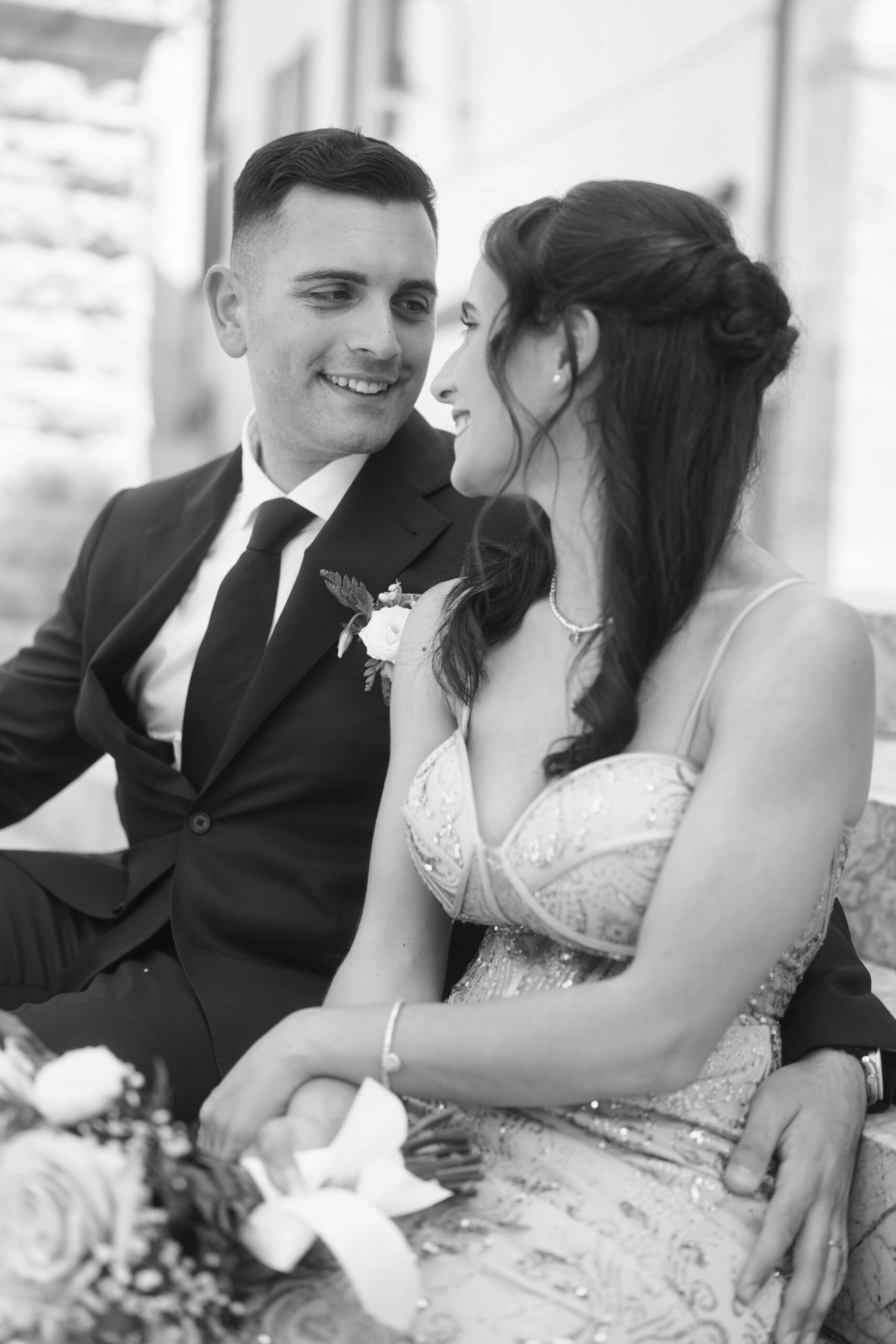
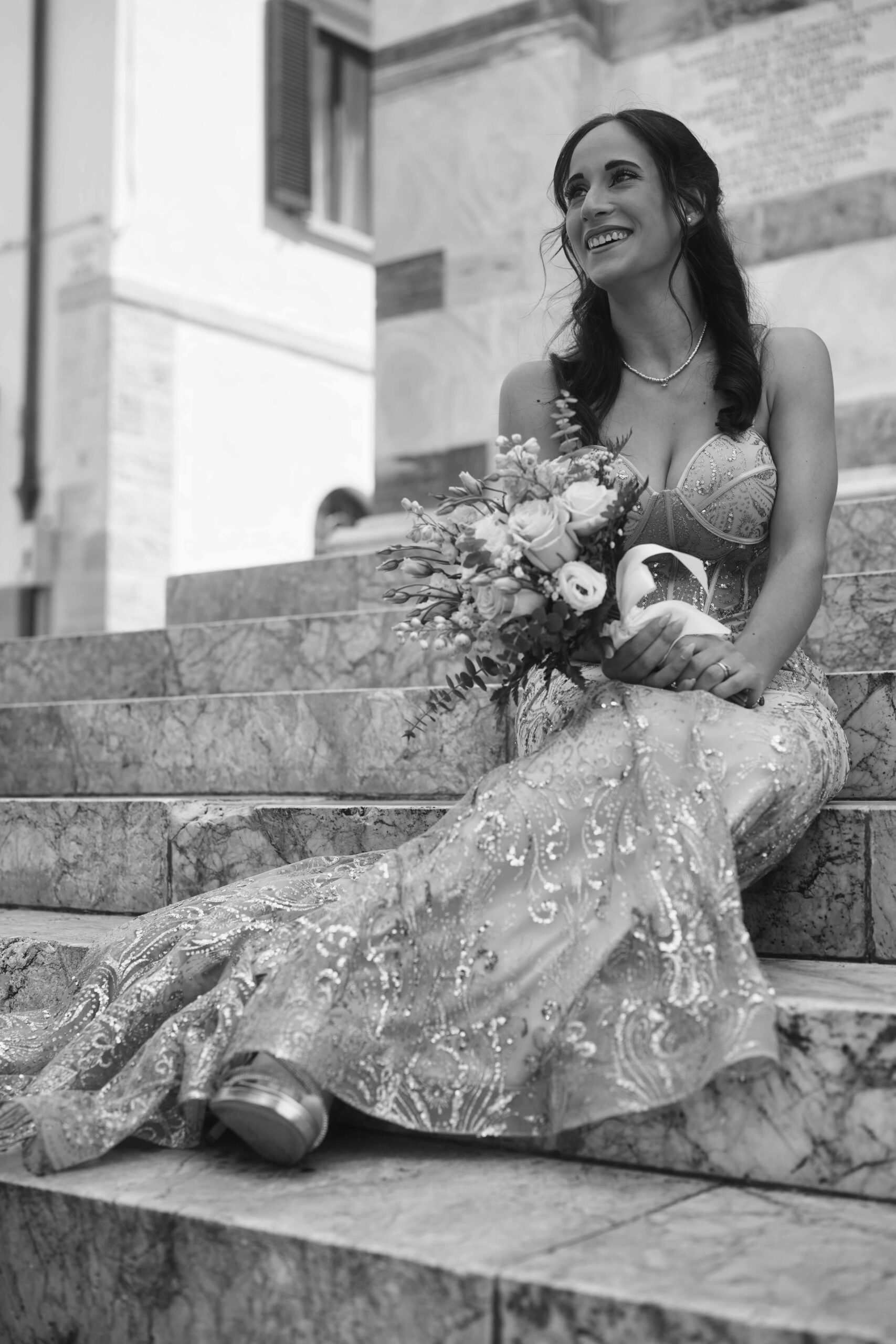
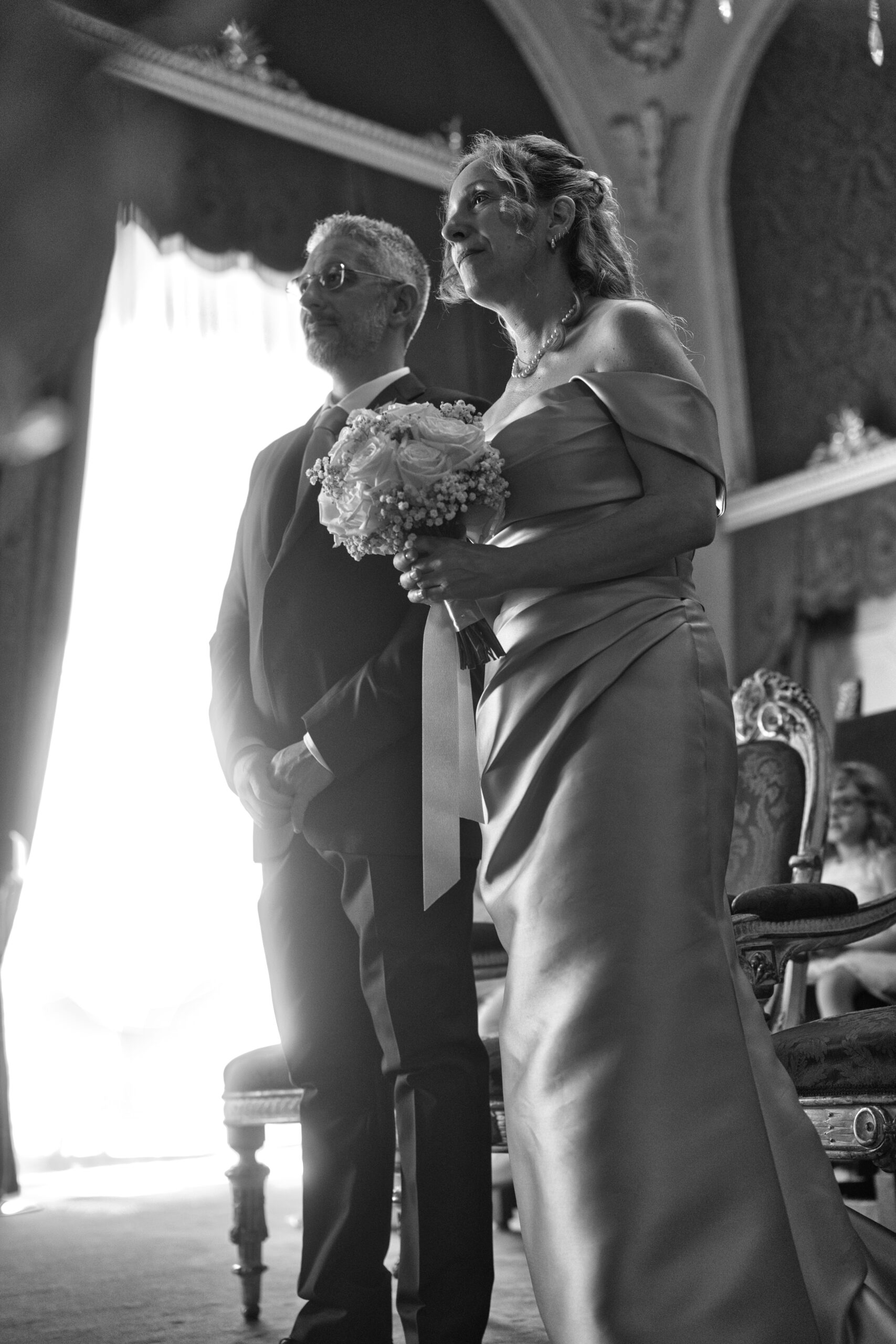
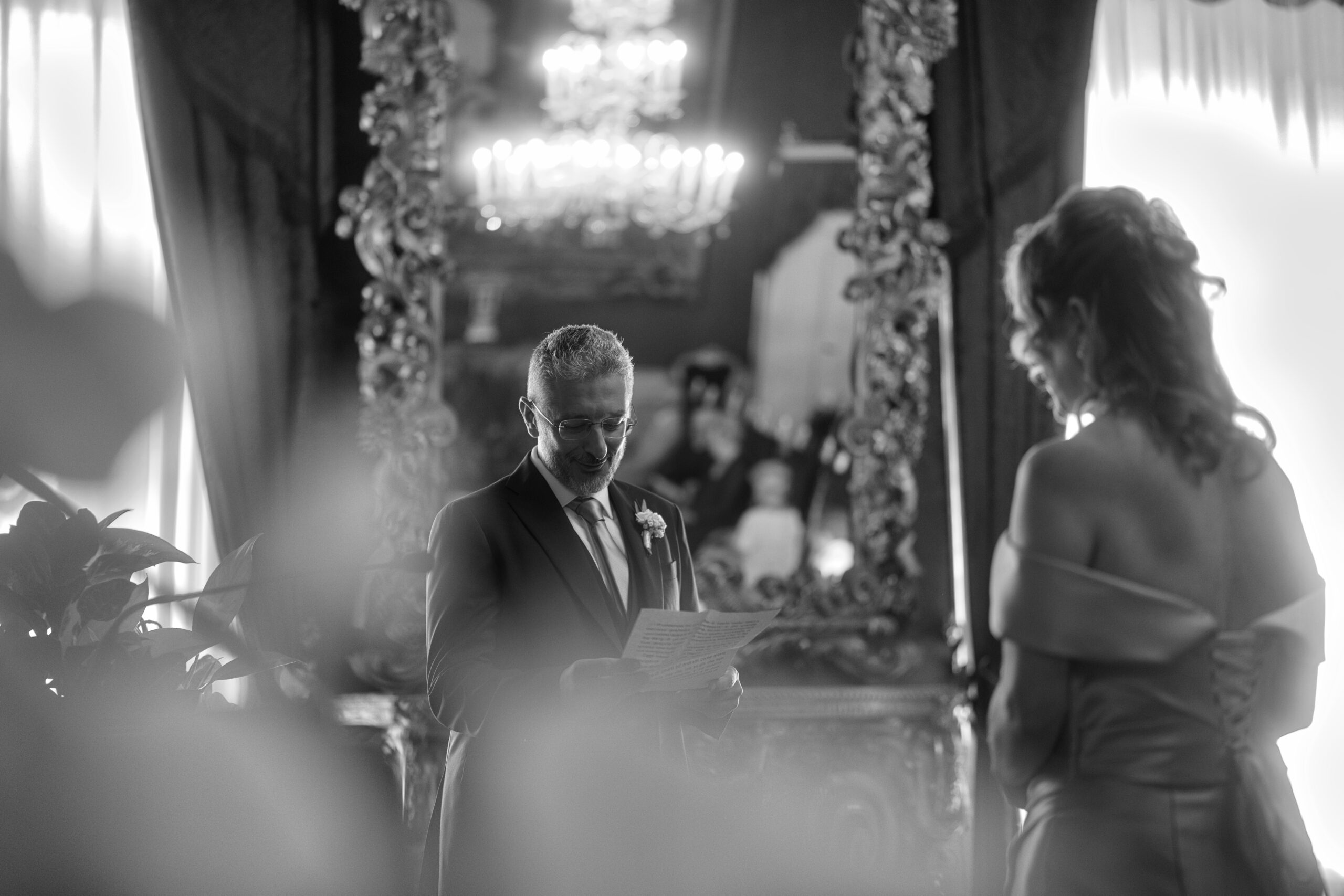
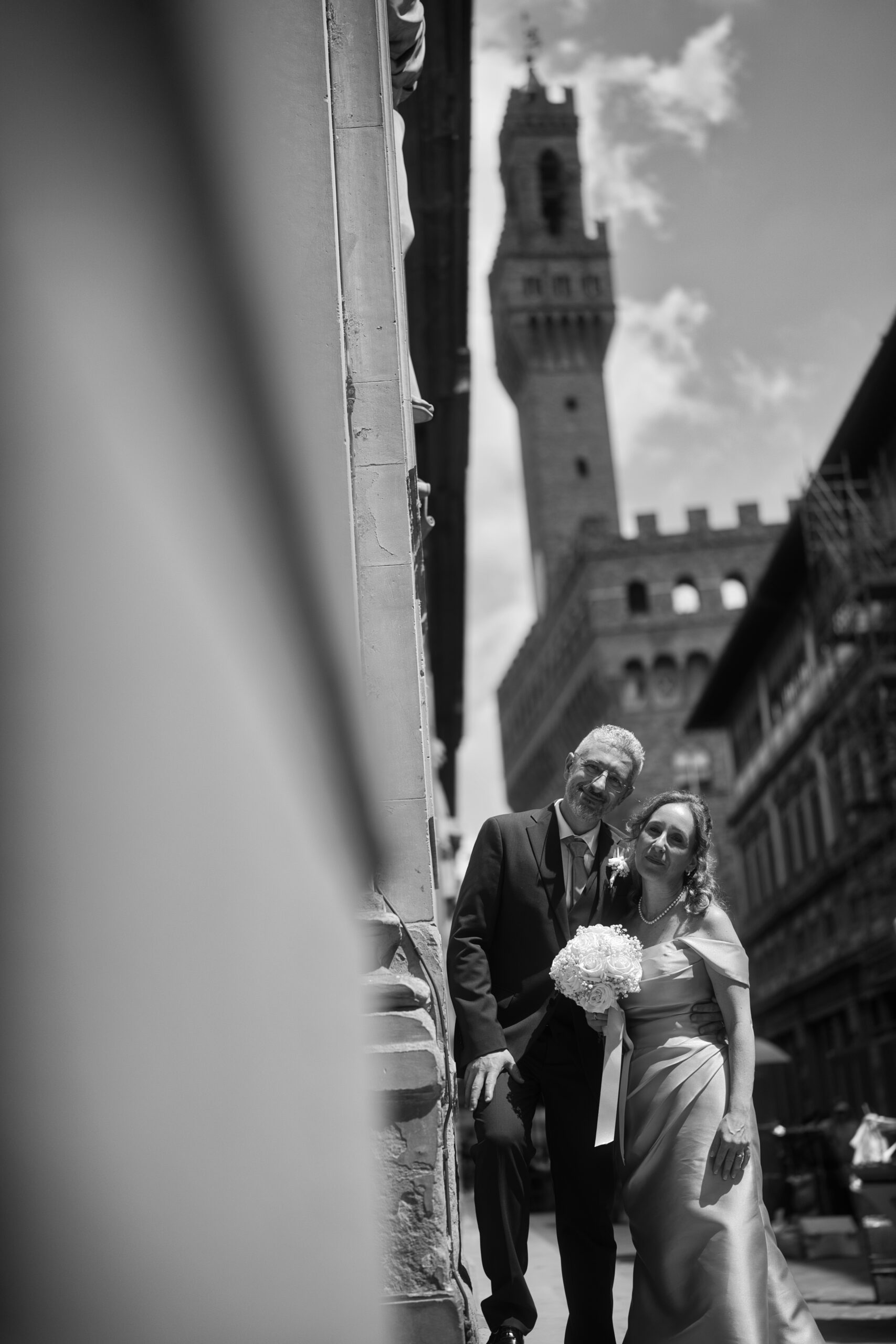
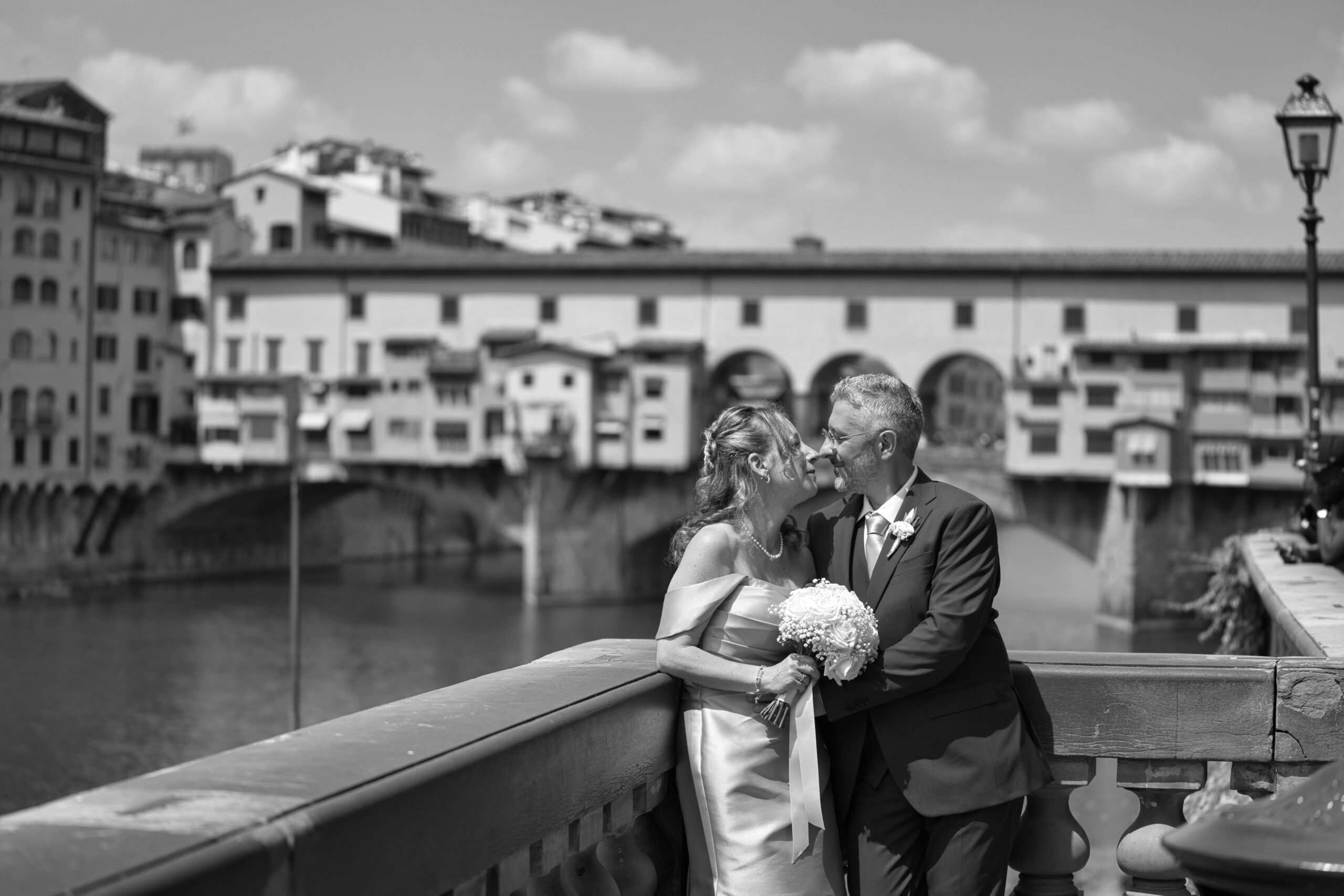
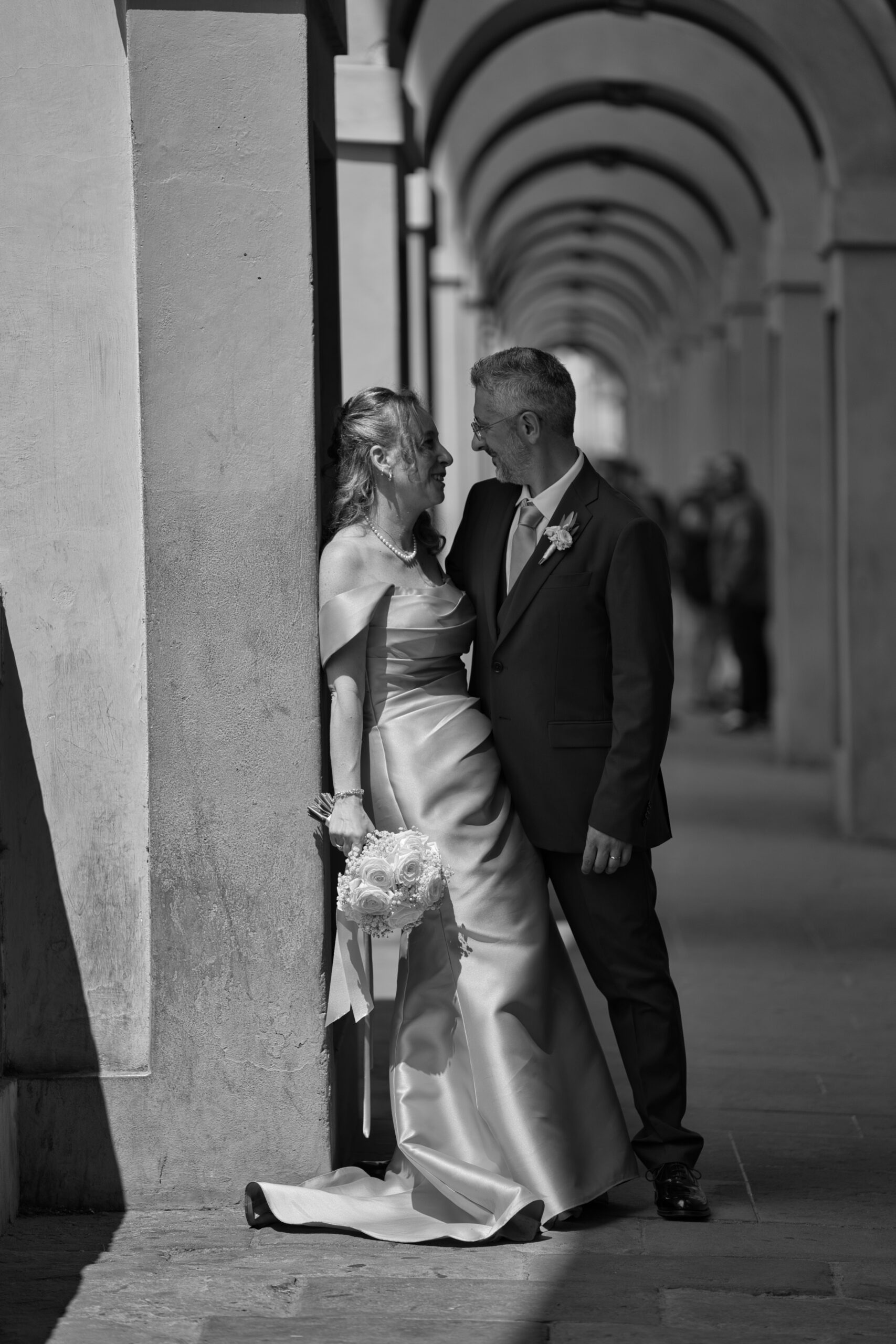
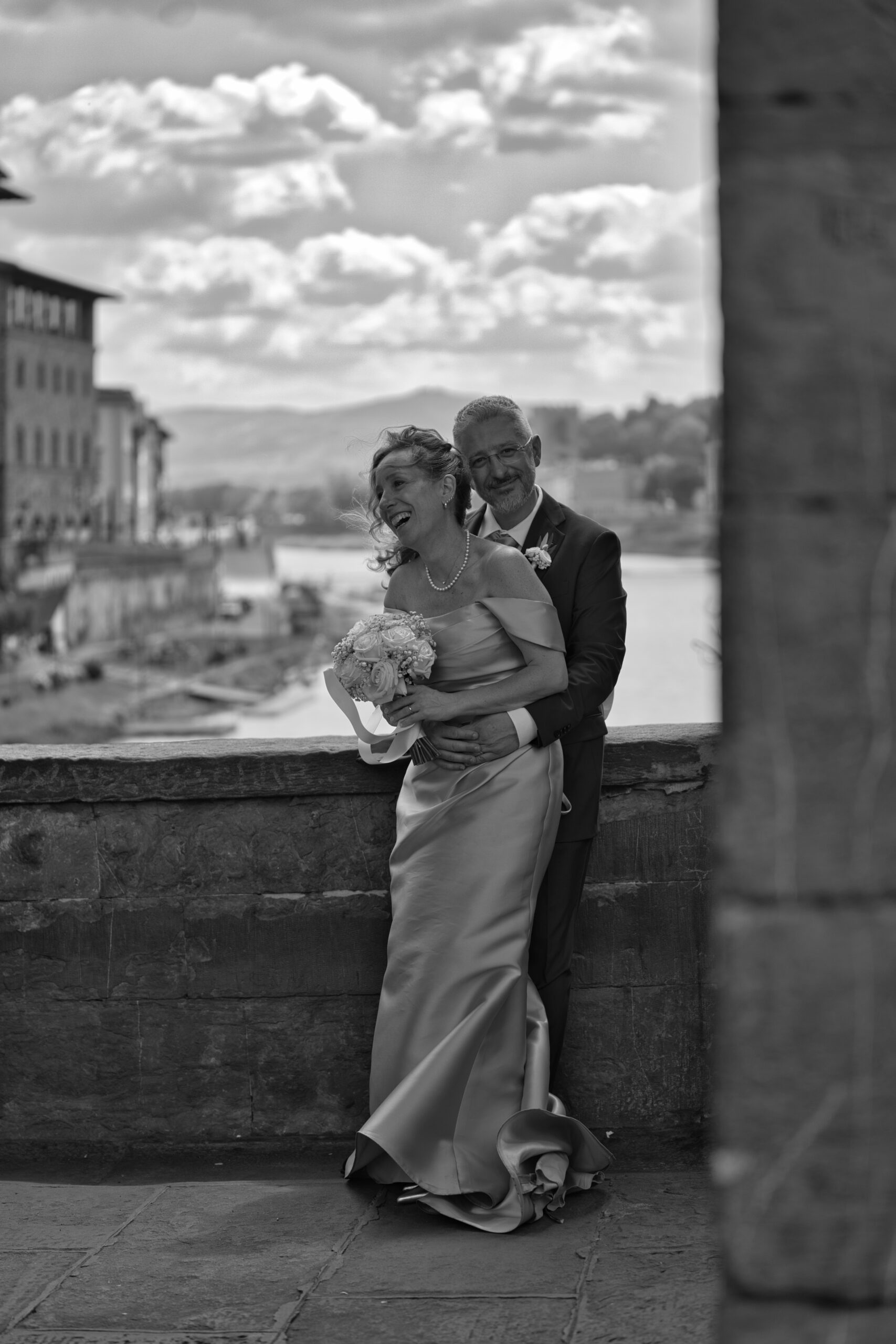
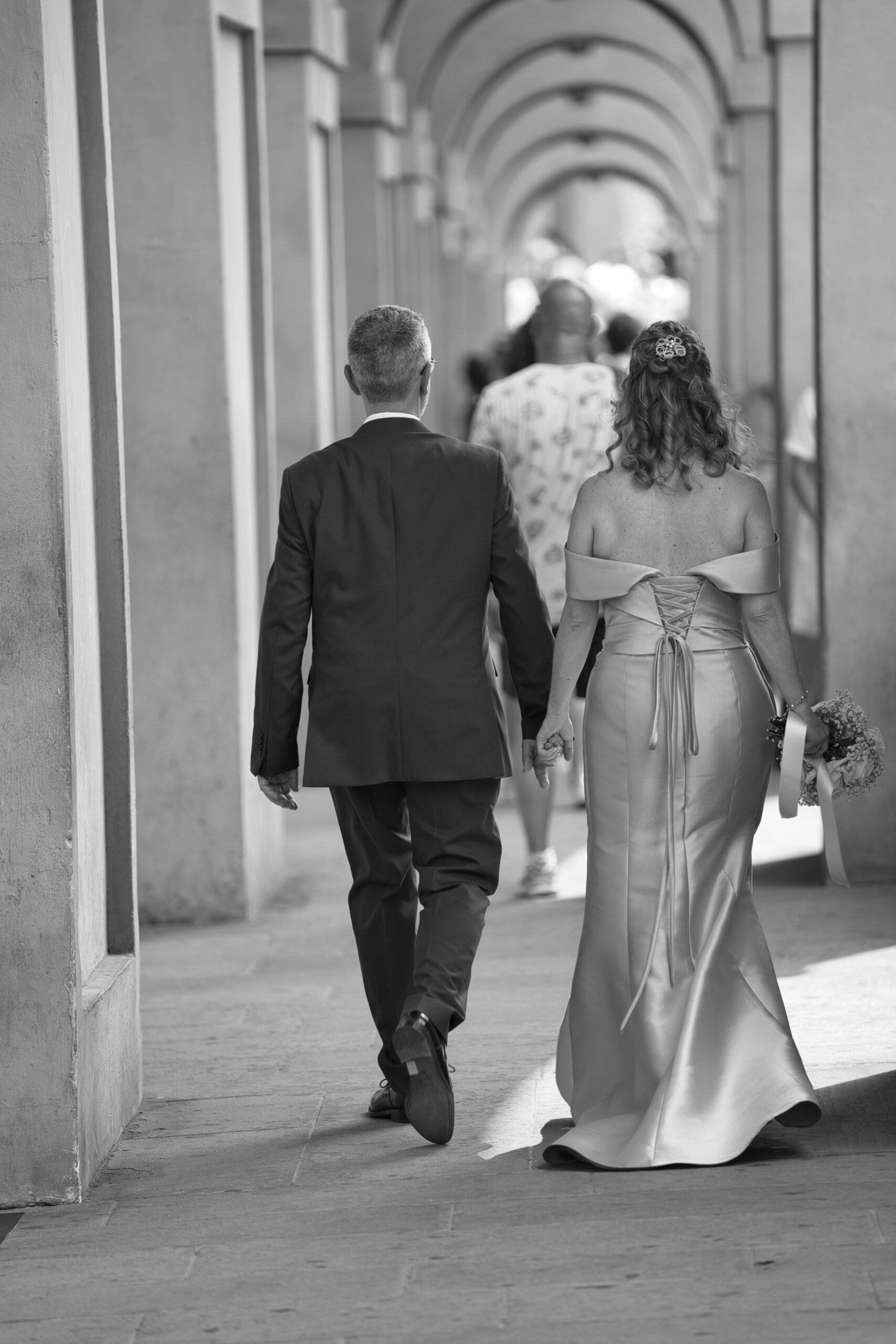
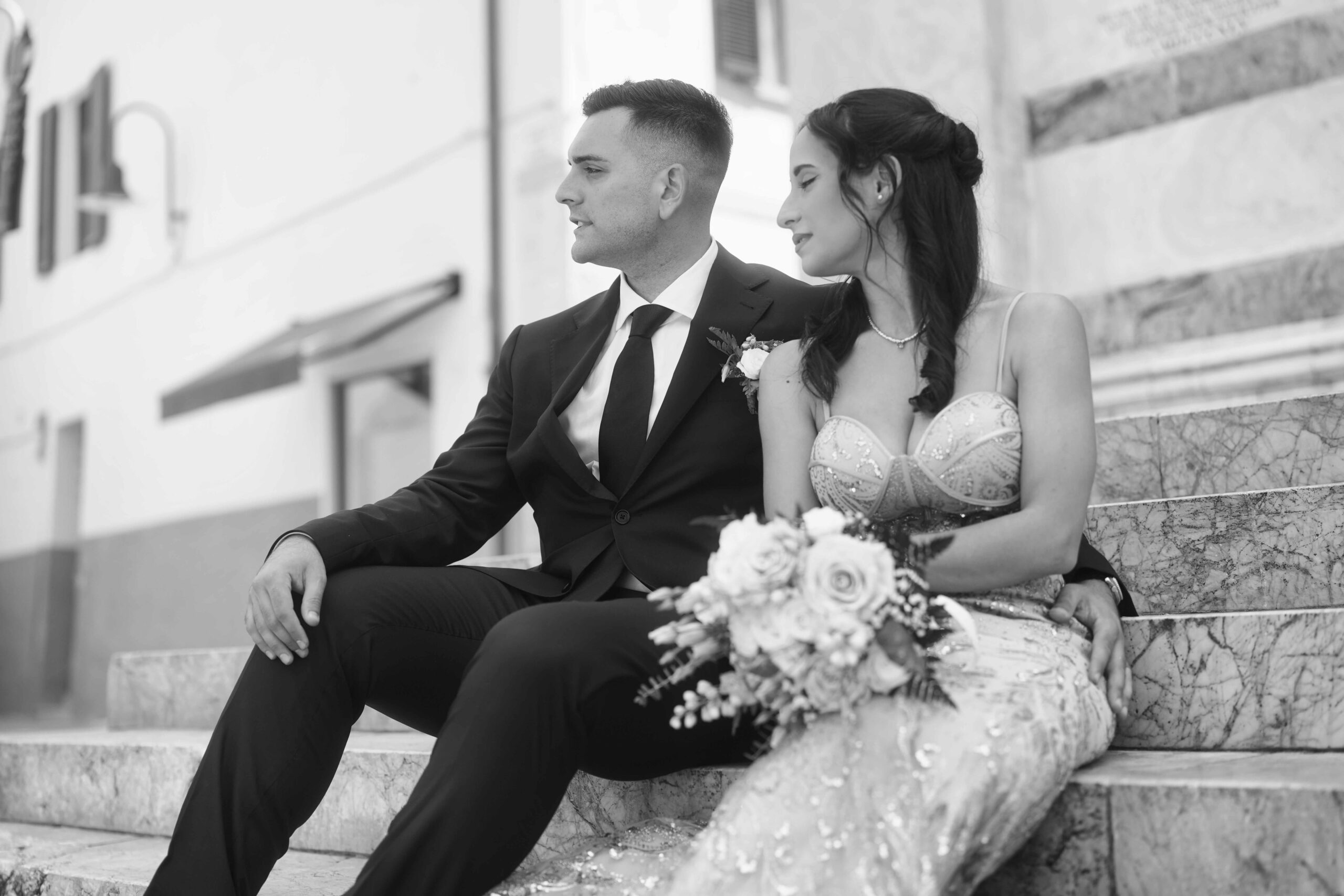
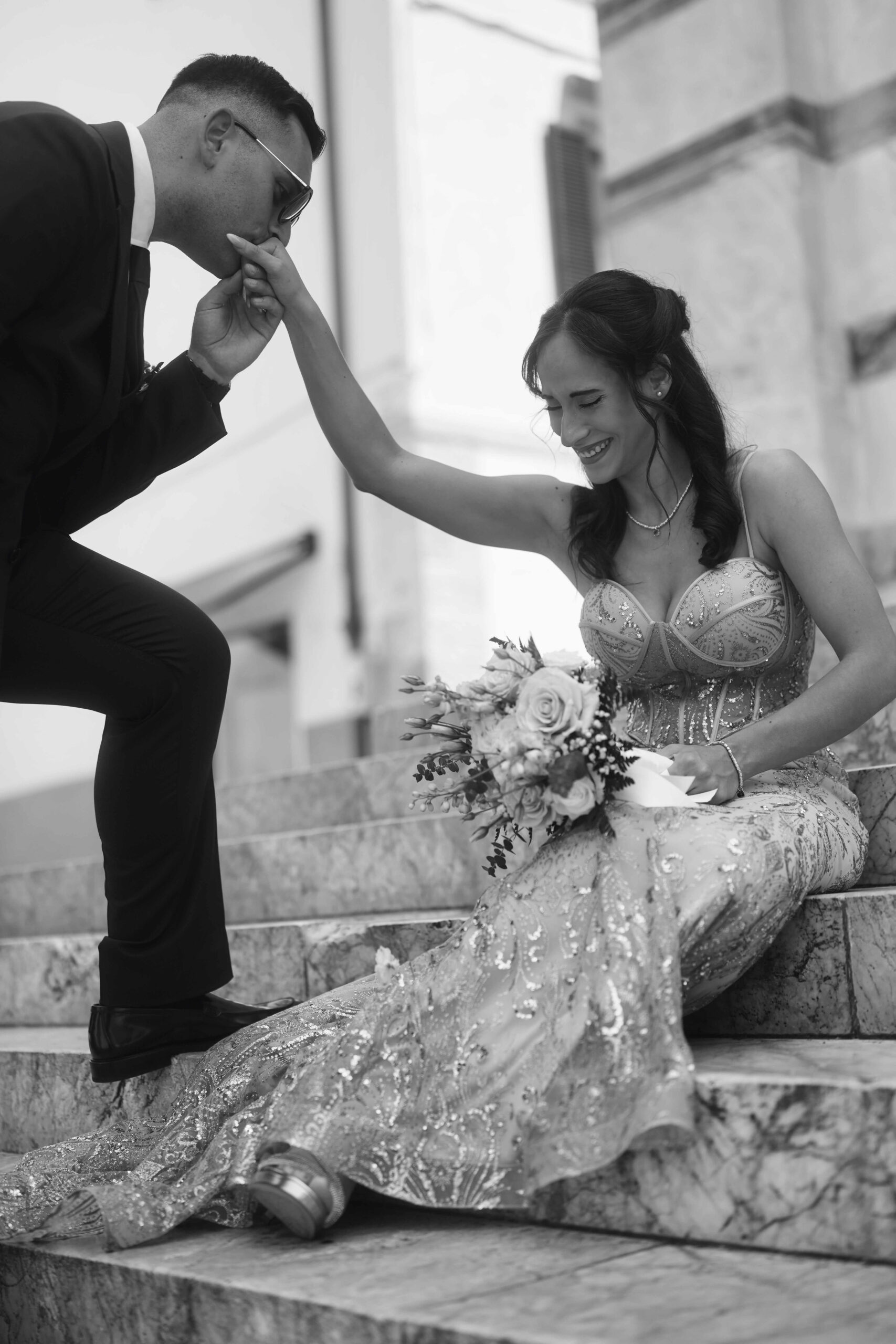
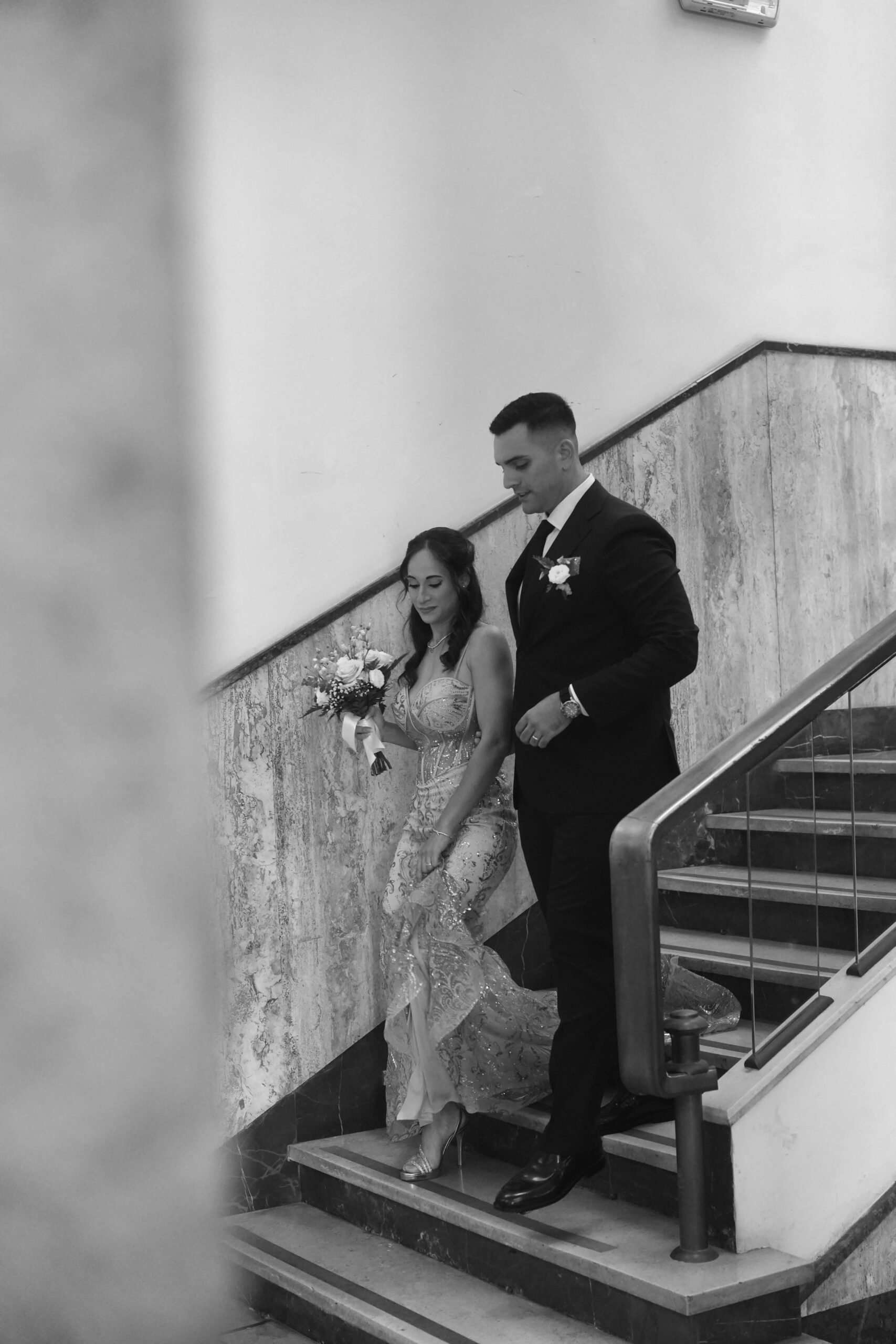
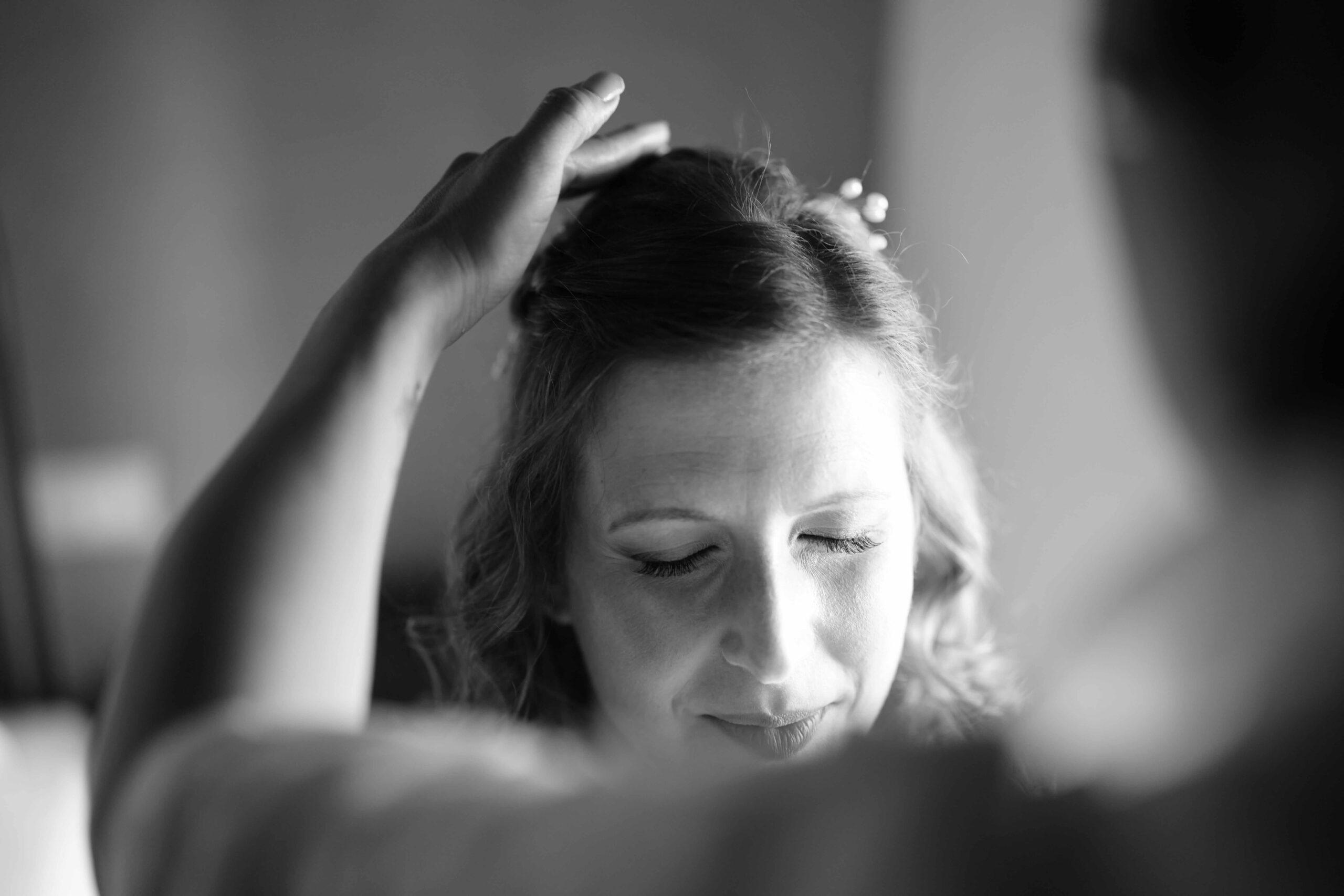
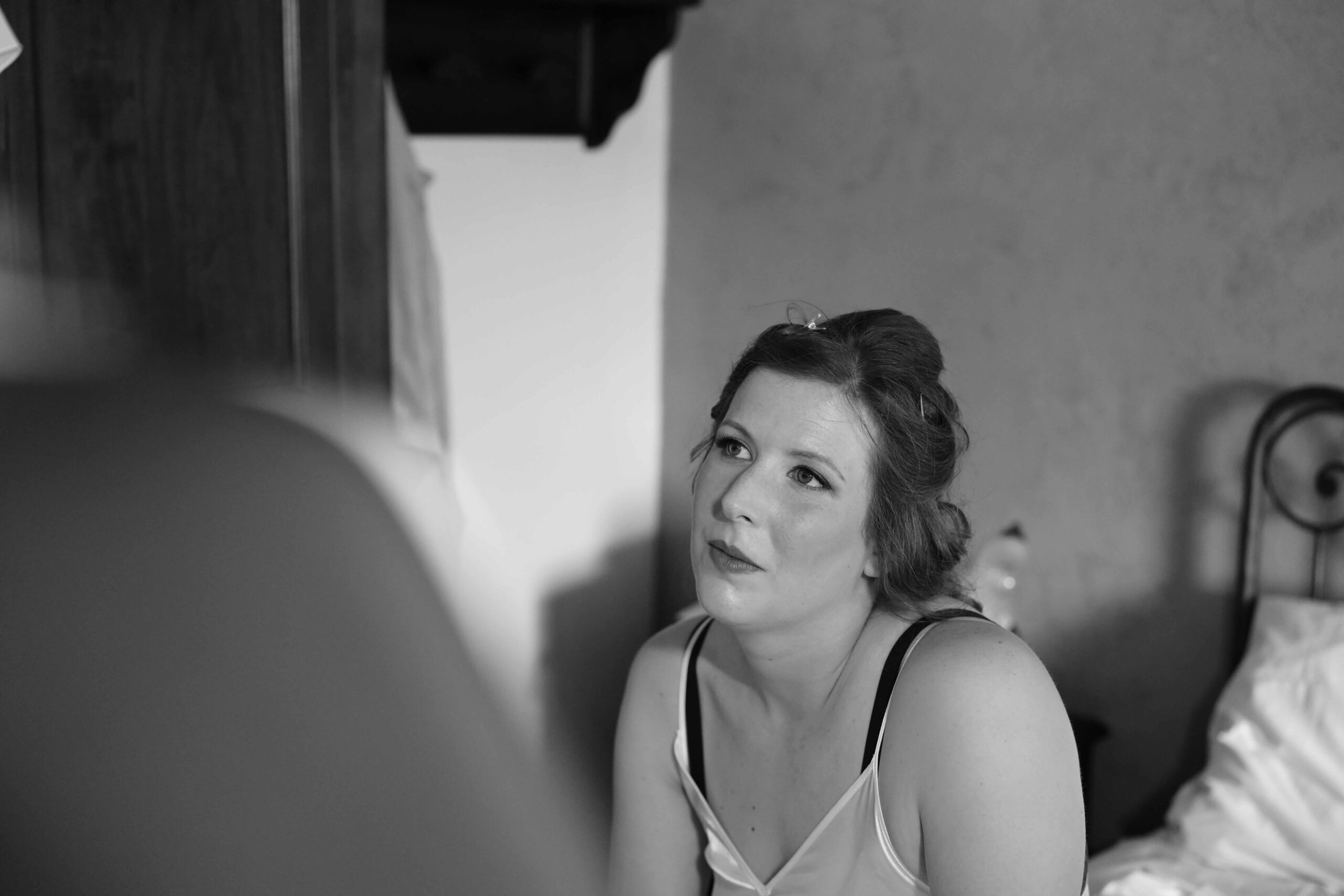
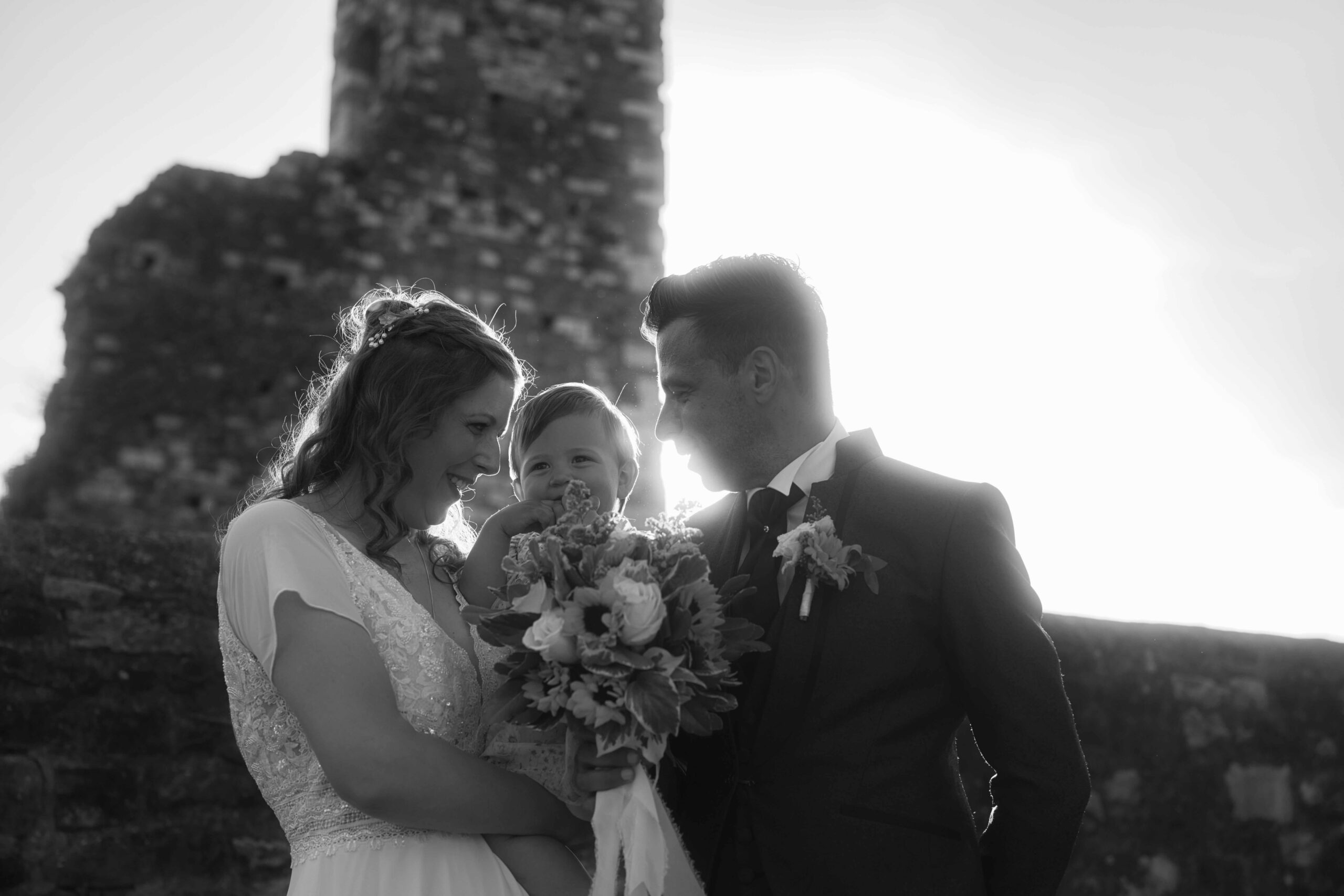
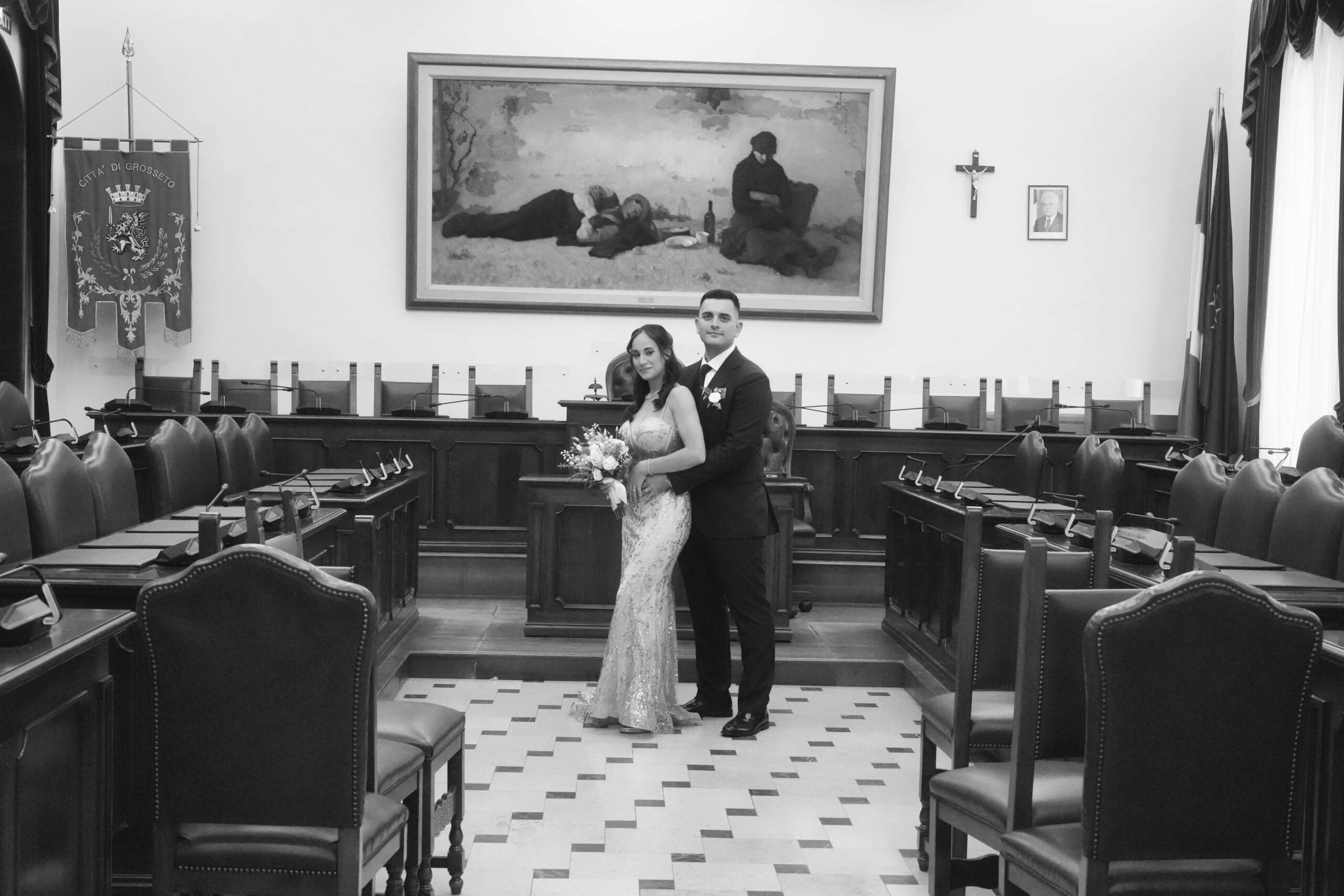
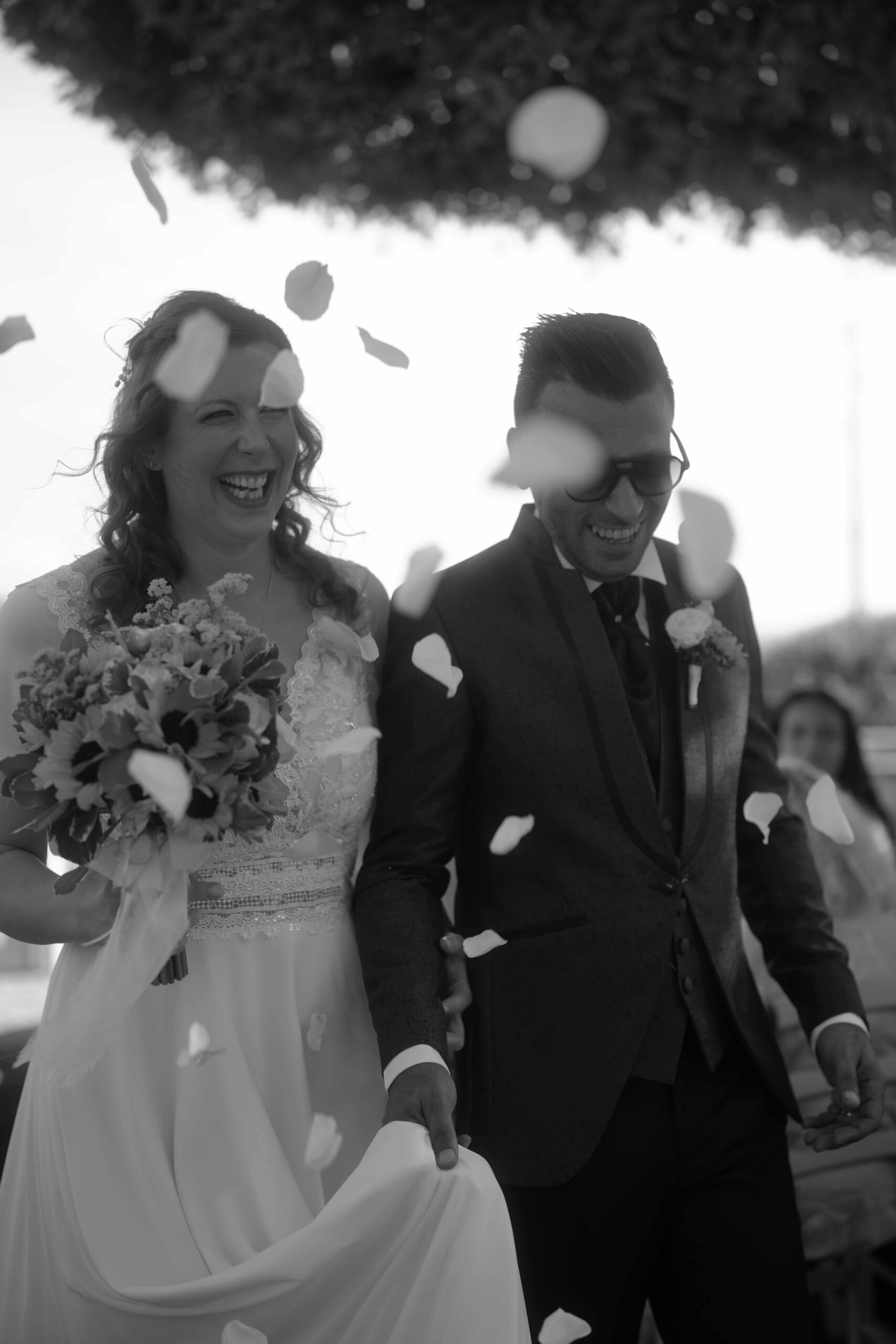
The Tuscany It has always been one of the most sought-after destinations for weddings, thanks to its unique combination of breathtaking scenery, artistic heritage and culinary traditions. A wedding photography In this region, this work requires specific skills that go beyond mere technique. It calls for the ability to interpret the unique light of the Tuscan countryside, to showcase architecture that spans centuries of history, and to capture the genuine emotion of the bride and groom in settings that blend nature and culture.
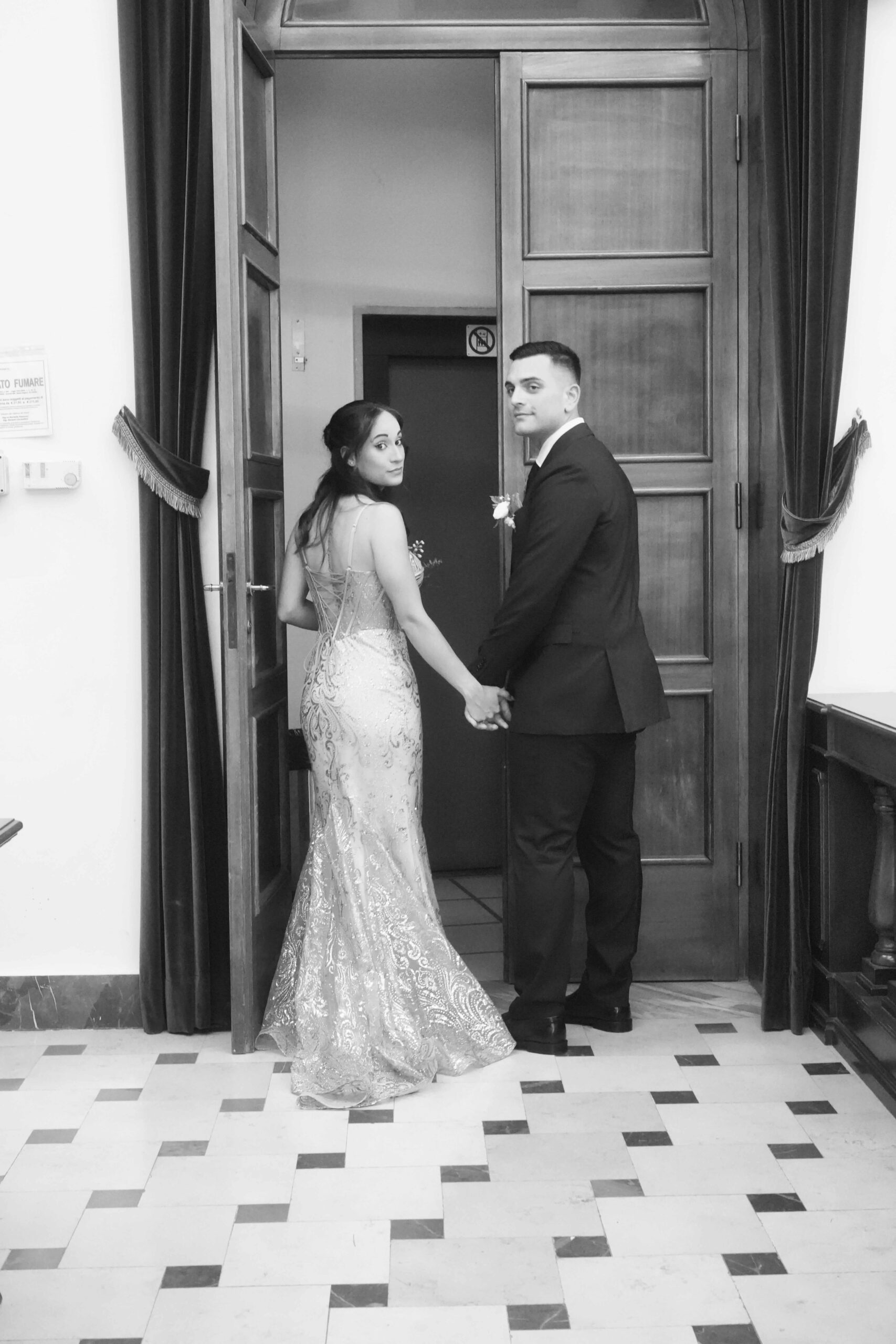
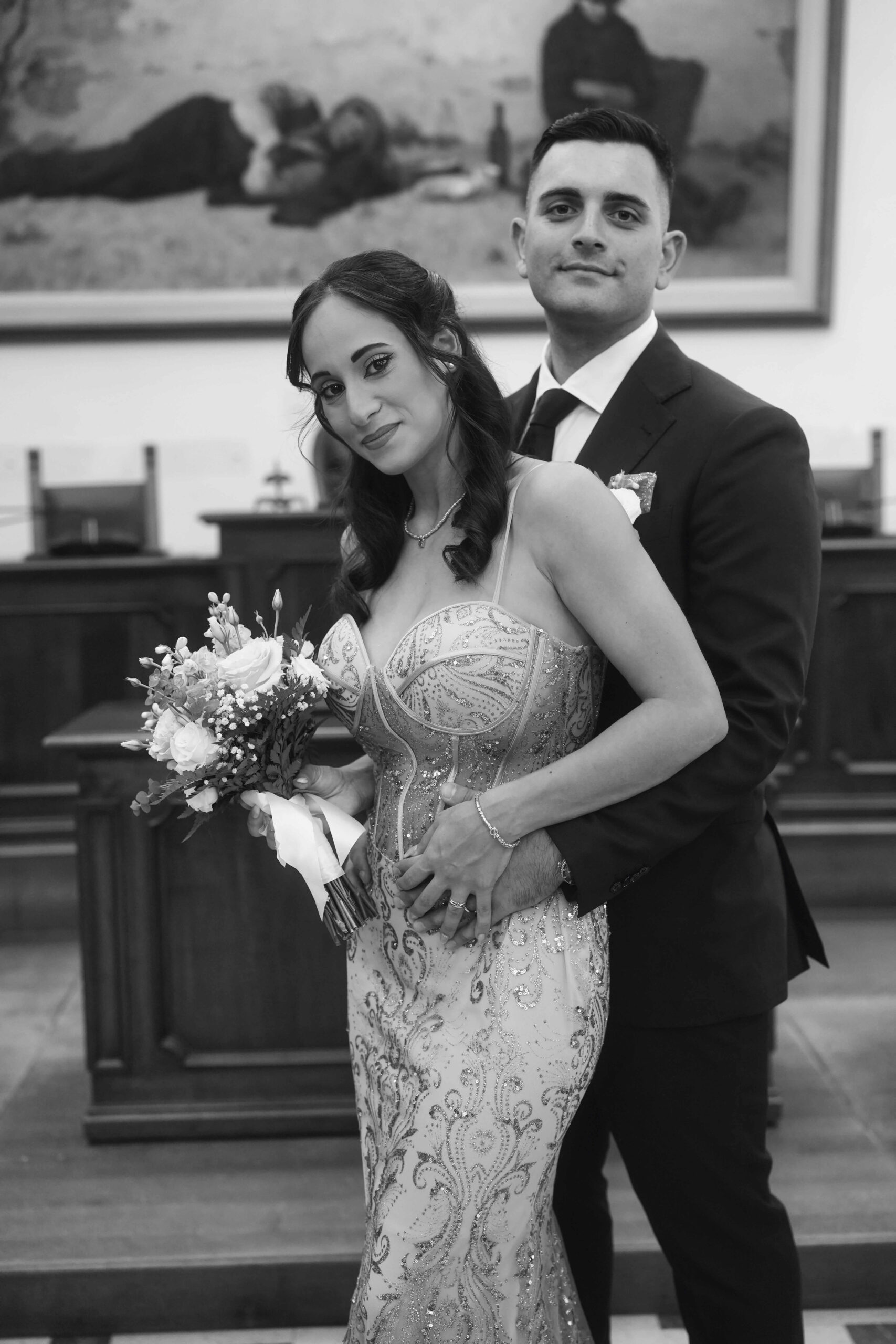
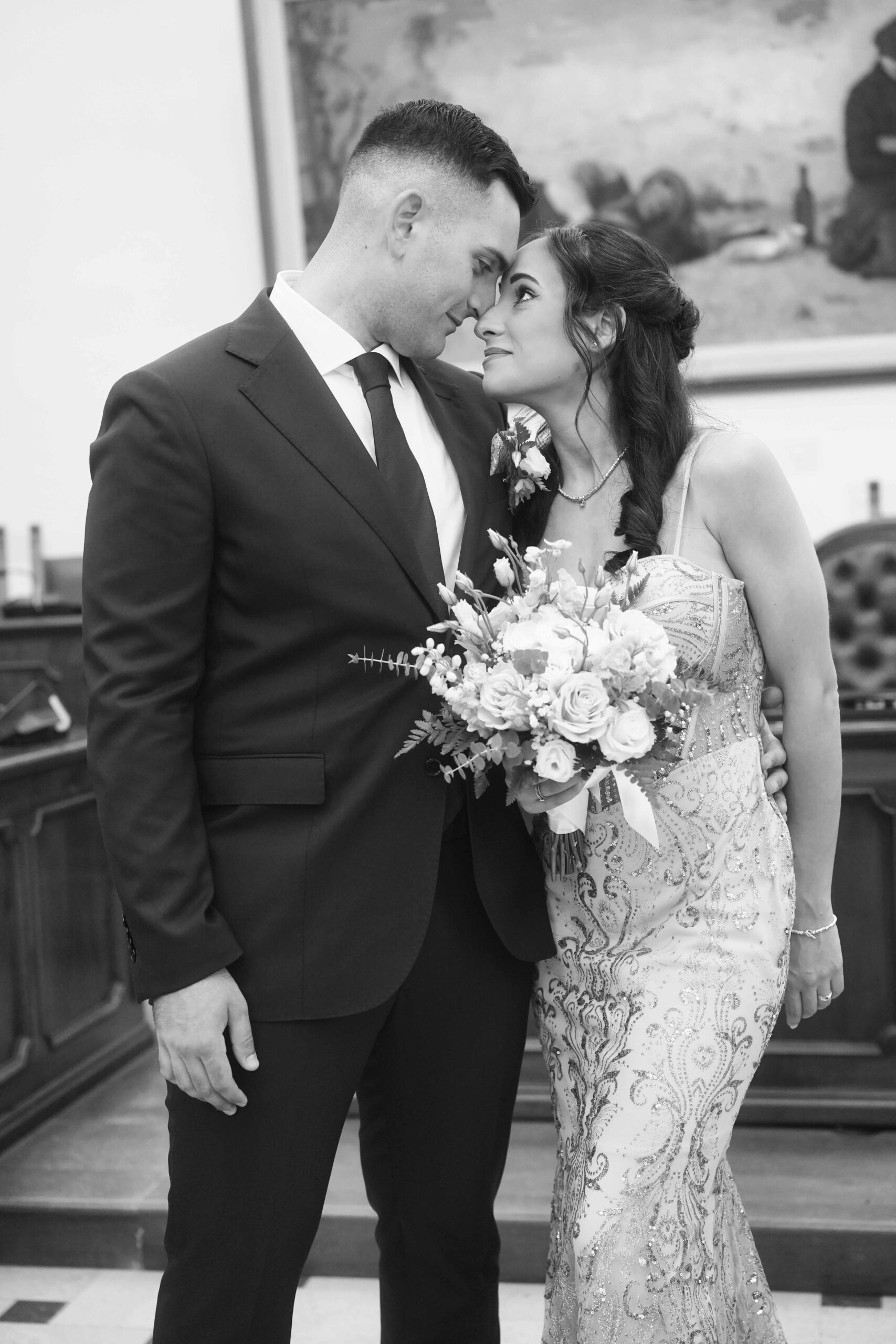
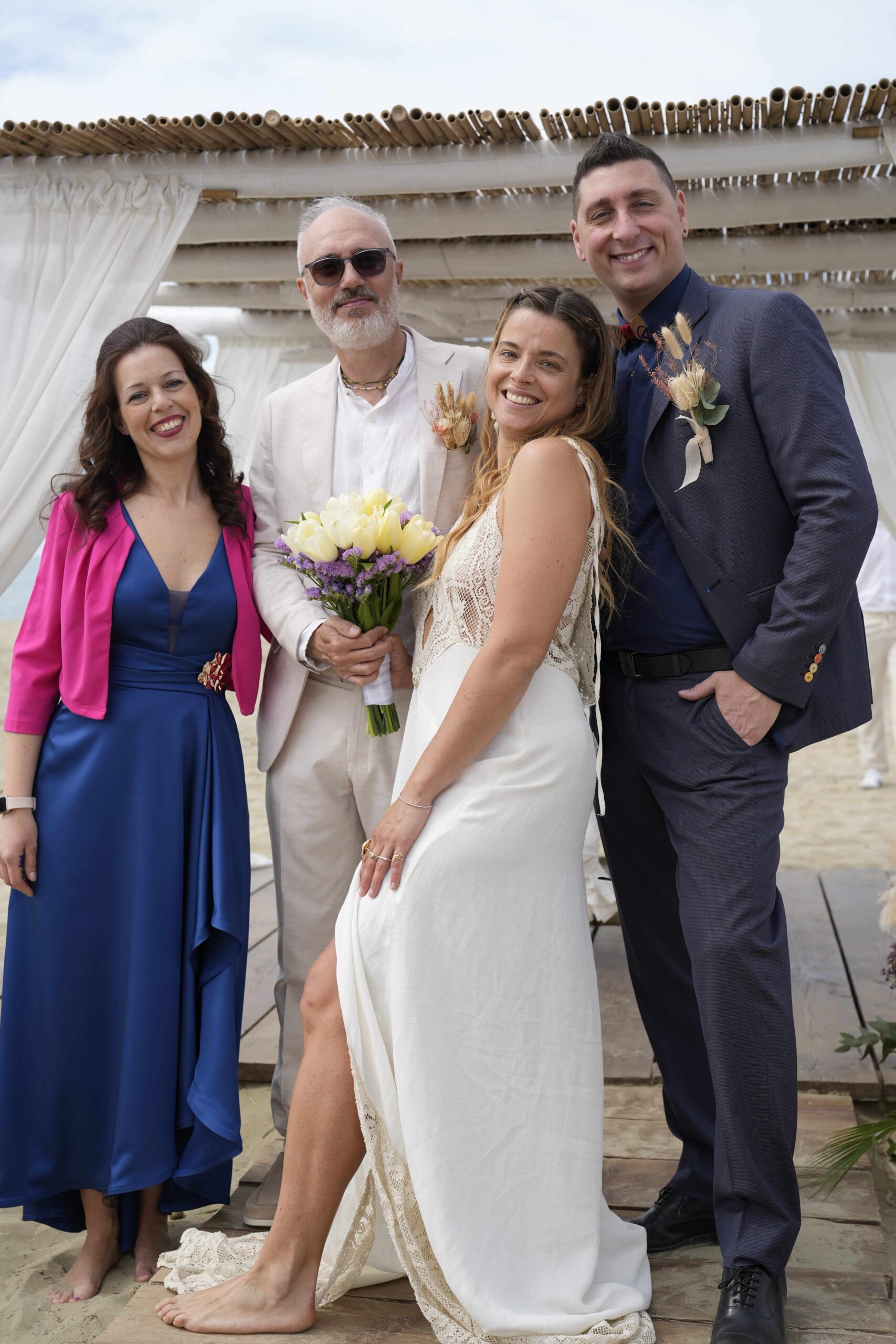
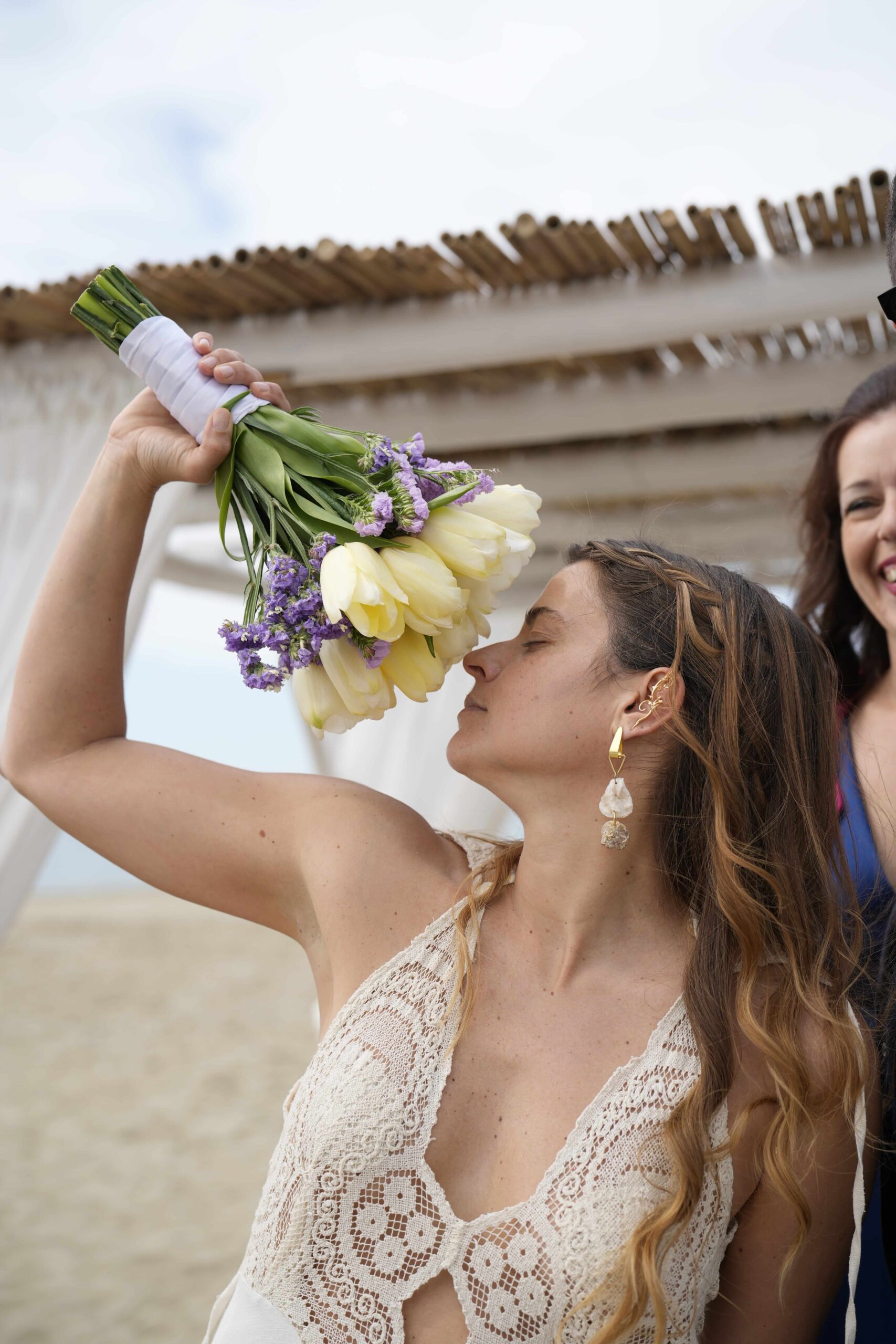
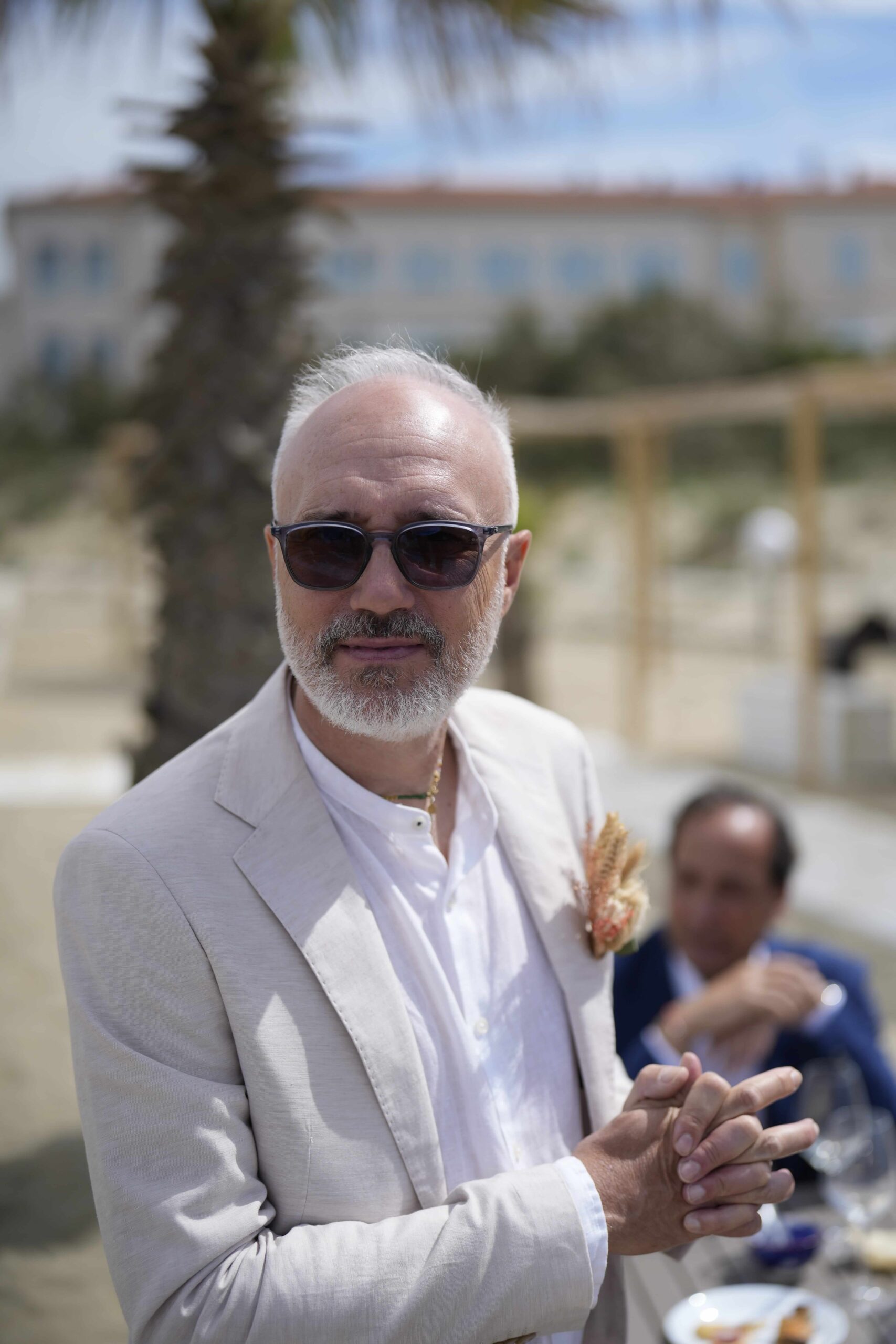
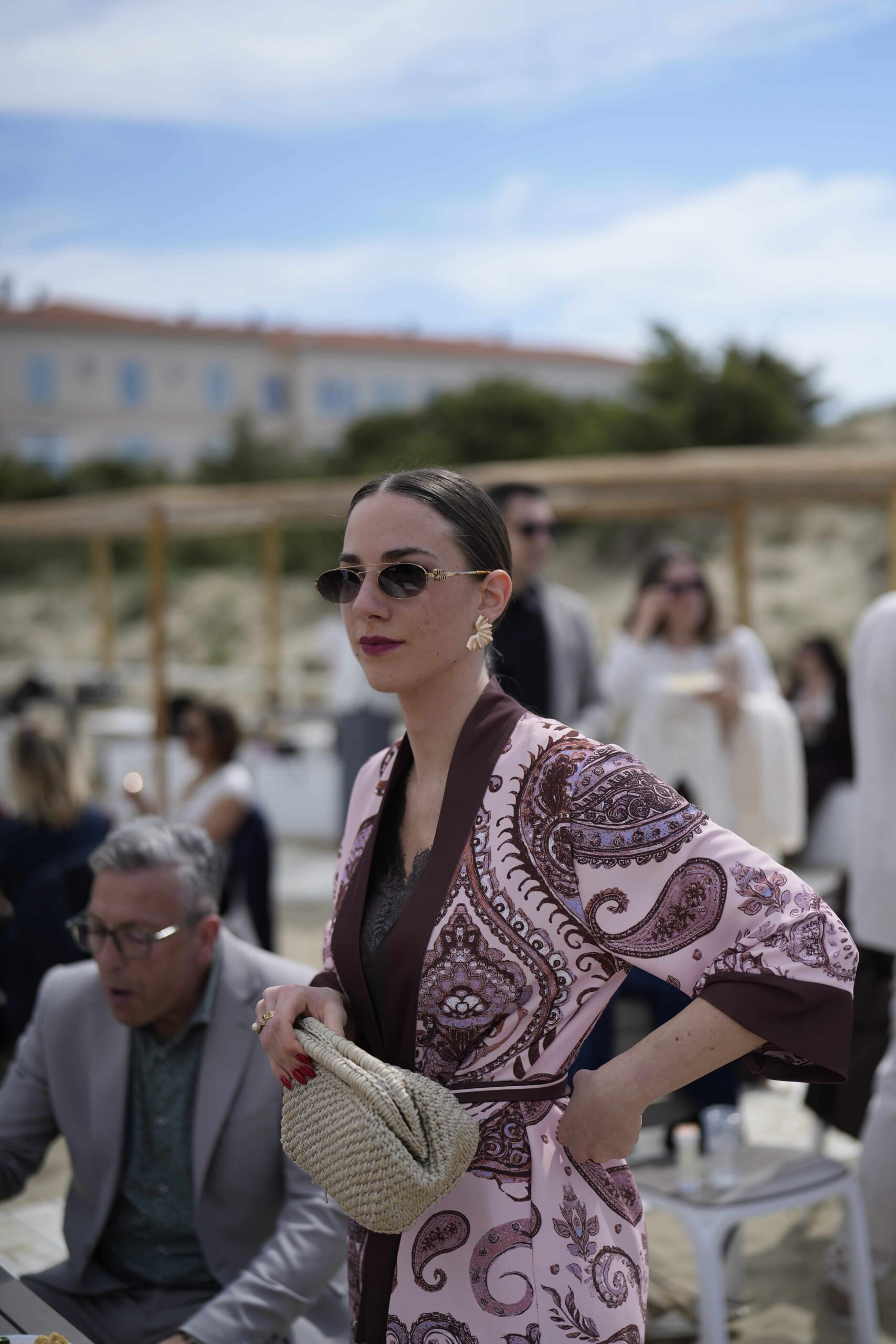
The Wedding Photographer in Tuscany Giovanni Papini offers an approach that combines Understated reportage and carefully composed shots, adapting to the specific characteristics of each venue. The comprehensive service includes the documentation of the preparations, the religious or civil ceremony, the reception and the portrait sessions in the most picturesque settings. Our in-depth knowledge of the Tuscan region enables us to advise couples on the best venues based on the season, the light and the atmosphere they are looking for.
The wedding photography in Tuscany presents specific technical challenges:
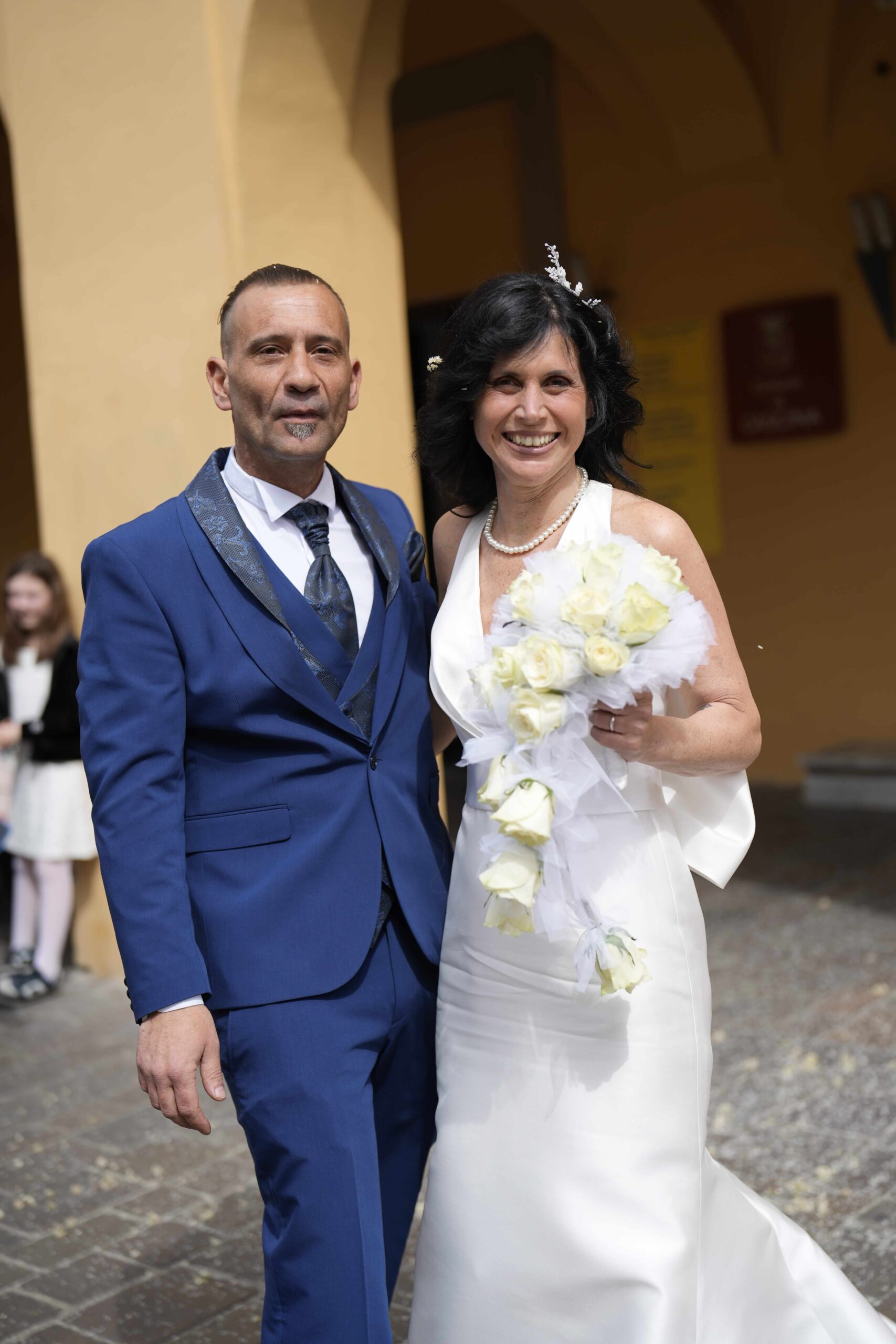
An experienced professional knows how to strike a balance between these elements, creating a visual narrative that combines the universal nature of love with the cultural distinctiveness of the region. The aerial footage taken by drone They offer a unique perspective, showcasing historic villas nestled amongst vineyards or medieval villages nestled amongst the hills. The final editing preserves the natural tones of Tuscany, enhancing the authentic colours without excessive artificial touches, to create an album that will retain its beauty and emotional value over time.
Florence It offers wedding settings ranging from Renaissance grandeur to the intimacy of secret gardens. The Tuscan capital boasts venues to suit every vision of a wedding, from formal ceremonies in historic palaces to more intimate celebrations in hillside villas. The city allows you to alternate official moments in monumental settings with photo shoots in lesser-known but equally charming spots, creating visual variety in the story of the day.
Palazzo Vecchio It remains one of the most prestigious venues for civil ceremonies, with the Red Room which features 16th-century frescoes and a solemn atmosphere. Photographs taken in this setting require careful management of artificial lighting and the ability to highlight the architectural details without overshadowing the bride and groom. After the ceremony, Piazza della Signoria It offers the chance to take iconic photos with Palazzo Vecchio and the Loggia dei Lanzi in the background, although it does require some planning to manage the crowds of tourists.
Piazzale Michelangelo offers the city’s most famous view, ideal for photographs at sunset when the golden light illuminates Brunelleschi’s dome and the terracotta-coloured rooftops. Photos taken from this natural terrace capture the essence of Florence with a view that takes in the whole city. The Boboli Gardens They offer a more secluded alternative, with tree-lined avenues, Baroque fountains and terraces that provide a sense of privacy whilst retaining their Renaissance grandeur. The Villa Bardini and its gardens combine elegant architecture with beautifully maintained natural surroundings, with terraces offering stunning views over the city.
Historic churches such as Holy Cross o Santa Maria Novella offer sacred settings of extraordinary beauty for religious ceremonies. A portrait photographer An expert knows how to work in these settings whilst respecting the solemnity of the moment and capturing the Gothic and Renaissance architecture.
Arezzo It retains an authentic medieval charm that makes it perfect for weddings with a romantic and historic atmosphere. The town offers venues that are less crowded than those on the main tourist routes, ensuring greater peace of mind during photo shoots. The historic centre is spread across several hillside levels, creating a variety of photographic vistas with cobbled alleyways, picturesque stairways and squares that bear witness to centuries of history.
Piazza Grande, the main square with its distinctive sloping shape, is the city’s photographic heart. Surrounded by medieval palaces, Renaissance loggias and the tower of the Palazzo della Fraternita dei Laici, it offers architectural backdrops rich in detail. The stone paving and warm-coloured façades create a natural palette that is ideal for photographs that highlight timeless elegance. The Vasari Galleries On the upper side of the square, they add compositional depth with their Renaissance arches.
The Basilica of St Francis, which houses Piero della Francesca’s cycle of frescoes, provides a setting of inestimable artistic value for religious ceremonies. The stone façade and the Gothic interior offer striking backdrops for photographs. The Arezzo Cathedral, situated on the hilltop overlooking the town, boasts both monumental Gothic interiors and a panoramic churchyard overlooking the valley below. The photographs taken from above capture the medieval urban fabric with aerial views that highlight the towers, bell towers and terracotta roofs.
The historic villas in the surrounding area, such as those in the Valdichiana in the Arezzo area, combine Renaissance architecture with vineyards and olive groves. These settings allow visitors to alternate between the elegance of historic interiors and the natural beauty of the Tuscan countryside. A event photographer Anyone familiar with the Arezzo area can suggest the best times of day to make the most of the unique light in this region, which is different from that of the more humid Florence or the Maremma coast.
The Province of Grosseto offers wedding settings of a completely different character, where the wild nature of the Maremma It boasts golden beaches and medieval hilltop villages. This variety makes it possible to host weddings ranging from the rustic elegance of country estates to the Mediterranean romance of coastal venues. The light in the Maremma, which is more intense and high-contrast than in the inland areas of Tuscany, requires specific skills in managing photographic exposure.
Castiglione della Pescaia, with its medieval village overlooking the sea, is an ideal destination for those wishing to combine history and the seaside. The medieval castle offers panoramic terraces from which to photograph sunsets over the Tyrrhenian Sea, whilst the narrow streets of the historic centre create intimate settings with views of the marina. The beaches of the Tombolo Pine Forest They allow for photo shoots with your feet in the sand, creating a relaxed and romantic atmosphere that contrasts with the formality of the ceremony.
The villages of the Maremma hinterland, such as Pitigliano, carved out of tuff and surrounded by natural canyons, offer spectacular photo opportunities. The houses, which seem to emerge from the rock, create unique backdrops that cannot be replicated anywhere else. Sovana e Sorano round off this triptych of tuff villages, each with its own distinctive architectural features and views. The Etruscan necropolises in the surrounding area add a historical dimension stretching back millennia to the couples photography.
The estates in the Maremma, surrounded by pastures dotted with herds of Maremma cattle and horses, offer a taste of authentic rural life without compromising on elegance. Many of these properties have restored historic farmhouses, transforming them into event venues whilst preserving the traditional architecture, with exposed beams, stone fireplaces and paved courtyards. The Portfolio of Photographer Giovanni Papini shows how these locations make it possible to create images that strike a balance between rustic spontaneity and compositional refinement, making the most of the unique light of a Maremma sunset, which bathes the wheat fields and coastal vineyards in a golden glow.
Livorno and his Etruscan Coast They offer wedding settings where the Tyrrhenian Sea takes centre stage. The city’s seafaring tradition is reflected in venues that combine Art Nouveau elegance with the authentic charm of the harbour, creating atmospheres that are unique within the Tuscan landscape. Wedding photographs taken in this area capture the distinctive light of the sea, the reflections on the water and the intense colours of coastal sunsets that paint the sky in shades ranging from pink to orange.
The neighbourhood of New Venice, with its 18th-century canals and bridges, offers romantic views reminiscent of Venice but with a distinctive Tuscan character. The colourful façades of the houses overlooking the water create vibrant backdrops for photographs, ideal for having a couples’ photo book featuring cheerful, Mediterranean-style images. The Mascagni Terrace, the promenade with its black-and-white chequered paving overlooking the open sea, is an iconic location for a minimalist photography where the sky, the sea and geometric paving create simple yet striking compositions.
The coastline to the south features seaside resorts such as Castiglioncello, made famous by films of the 1960s, with cliffs rising sheer from the sea and Mediterranean pine forests. The rocky coves offer a photo shoot intimate, with the sea as its natural backdrop.
Heading north, Calambrone and the coastal pine forests offer more natural alternatives, with historic seaside resorts that have retained their original wooden architecture. A beach photo shoot, amongst the maritime pines, with golden sand and the turquoise sea in the background, creates a relaxed summer atmosphere. The hilltop villages of the Livorno hinterland, such as Bolgheri With its famous avenue of cypress trees, the area offers a mix of seaside and countryside scenery, making the most of the geographical proximity between the coast and the hills.
Lucca It stands out for its Renaissance walls perfectly preserved walls that surround the historic centre, creating a unique urban setting where history blends with everyday life. Walking along the tree-lined walls offers stunning views of the city and provides opportunities for photographs from elevated vantage points that take in medieval towers, Romanesque bell towers and hidden gardens. Photographs taken at sunset from the ramparts capture the golden light illuminating the terracotta roofs and the façades of historic churches.
The pedestrianised historic centre allows you to move easily between the various locations without being bothered by traffic. Amphitheatre Square, built on the site of the ancient Roman amphitheatre whilst retaining its elliptical shape, is one of the most distinctive settings. The colourful façades of the buildings that follow the curve of the ancient structure create a unique, picturesque backdrop, perfect for a a group photo or a couple’s portrait. The limited access via just a few doors maintains the cosy, intimate atmosphere.
Lucca’s Romanesque churches provide sacred settings of extraordinary beauty for religious ceremonies:
The villas in Lucca The plain and the surrounding hills are further locations of exceptional value for a wedding photographer in Tuscany. These historic residences provide the perfect setting for civil ceremonies and receptions in exclusive surroundings, where every corner offers endless photographic opportunities, with statues, fountains, geometric hedges and carefully composed perspectives.
The Province of Massa-Carrara It has unique characteristics within the Tuscan landscape, where the Apuan Alps create spectacular mountain scenery and the marble quarries The waters off Carrara offer seabeds of rare beauty. The wedding photographs This area offers extraordinary contrasts between the dazzling white of the marble, the green of the Mediterranean vegetation and the blue of the Versilia sea. This geographical diversity, concentrated within just a few kilometres, allows you to move between completely different locations in the course of a single day.
The marble quarries The quarries of Carrara, from which Michelangelo selected the blocks for his sculptures, provide a photographic setting that is unique in the world. The vertical walls of white marble create almost lunar landscapes, with a distinctive luminosity caused by the reflection of light on the pure white stone. The wedding photography services In this context, they take on sculptural and monumental character, with the bride and groom appearing as tiny human figures against the backdrop of nature’s grandeur, shaped by human hands. Access requires authorisation and must be accompanied by specialist staff, but the visual result more than makes up for the effort involved.
The the historic centre of Massa, dominated by the Ducal Palace and from the Malaspina Fortress Perched on the hill above, it offers Renaissance elegance and glimpses of the medieval past. Piazza degli Aranci, with its centuries-old trees and the Ducal Palace in the background, provides a monumental setting for outdoor civil ceremonies. The climb up to the Rocca offers panoramic views across the coastal plain down to the sea, ideal for panoramic photographs encompassing the town, the mountains and the coast.
Mountain villages such as Colonnade, famous for its IGP-certified lard, offer the authentic charm of stone and slate, with houses that seem to emerge from the mountain itself. The narrow alleyways and stairways create vertical photographic perspectives that highlight the mountain architecture. The Apuan Alps, with peaks exceeding 1,900 metres, offer high-altitude photo shoots for couples who love the mountains, with views that, on clear days, stretch from Corsica to the islands of the Tuscan archipelago.
The Apuan Coast, stretching from Marina di Massa to Marina di Carrara, offers wide beaches with golden sand and beach establishments that have retained their historic architecture. Photographs taken on the shore at sunset, with the Apuan Alps illuminated by the low-angled light in the background, capture scenes impossible to find elsewhere: the sea and the mountains in the same frame. The coastal pine forests separating the beach from the town provide natural shade and Mediterranean scenery for more intimate moments, helping to create a wedding photo album unique and unforgettable.
Pisa there is much more to it than just the iconic Piazza dei Miracoli, although this monumental UNESCO World Heritage Site undoubtedly represents one of the Wedding venues in Tuscany most prestigious in the world. The combination of the Duomo, the Baptistery, the Leaning Tower and the Camposanto creates one of the photo backdrops featuring the world’s most famous white marble. A sight that stands out against a green lawn, providing internationally recognisable backdrops. Photographs taken in this square require careful planning to manage the heavy tourist traffic, but the result guarantees iconic images that combine the romance of a wedding with the grandeur of Pisa’s Romanesque architecture.
The Pisa’s riverfront, with its medieval palaces overlooking the Arno, offers the chance to create couples’ photo shoots with particularly evocative romantic views at sunset, when the low-angled light illuminates the ochre-coloured façades and is reflected in the water. The Blue Palace, which hosts exhibitions and cultural events, is an elegant venue for civil ceremonies, whilst the Church of Santa Maria della Spina, a little Gothic gem on the riverbank, provides a stunning architectural backdrop for couples’ photo shoots truly evocative. The photographs taken from the bridges of Pisa, particularly from the Ponte di Mezzo, capture the river view of the city with both banks in the frame.
The Pisa countryside is home to historic villas of extraordinary value, offering unique scenery to all wedding photographers. Corliano Villa In San Giuliano Terme, this 16th-century stately home, set within a centuries-old park, combines historic frescoes inside with Italian-style gardens outside. Riparbella Estate, nestled in the Pisan hills amongst vineyards and olive groves, offers authentic Tuscan countryside charm without compromising on elegance. Villa Grabau In San Pancrazio, with its English-style garden and historic greenhouses, it is possible to hold outdoor civil ceremonies surrounded by beautifully maintained natural surroundings.
The Calci Charterhouse, a monastic complex at the foot of Monte Serra, features Renaissance cloisters and gardens that offer peace and beauty, providing the perfect backdrop for atmospheric photographs. The Pisan hills, covered in chestnut woods and dotted with medieval villages such as Vicopisano with its Rocca del Brunelleschi, offer a mix of elegant settings and natural scenery. Its proximity to the sea, with the beaches of Marina di Pisa e Tirrenia, offers the chance to combine a city or hillside wedding with photo shoots on the coast.
Pistoia It retains a more intimate and less touristy atmosphere than other Tuscan towns, offering the authenticity and tranquillity that are ideal for wedding photography services elegant yet understated. The medieval old town, with its interconnected squares and narrow alleyways, creates intimate photographic scenes where Romanesque and Gothic architecture intermingles with Renaissance buildings. The photographs taken in the heart of Pistoia capture the essence of a less glossy but deeply authentic Tuscany, where everyday life blends naturally with a history stretching back a thousand years.
Piazza del Duomo, the religious and civic heart of the city, boasts an extraordinary concentration of historic architecture: the Cathedral of San Zeno with its Romanesque portico and an interior housing the silver altar of St James, the Baptistery of St John in 14th-century Gothic style with white and green stripes, the Bishops’ Palace which now houses museum exhibitions. The photographs taken in this square capture layers of history stretching from the Lombard period to the Renaissance and help to create a wedding photo album unique and of incomparable beauty.
The Basilica of Our Lady of Humility, with its Renaissance dome designed by Vasari, which dominates the city skyline, offers bright and spectacular interiors for religious ceremonies. The church’s distinctive acoustics enhance the musical moments of the service. The Romanesque churches of Pistoia, such as San Giovanni Fuorcivitas with its extraordinary external decoration featuring bands of white and green marble, or St Andrew’s which houses Giovanni Pisano’s pulpit, depict sacred scenes of great artistic value.
The villas in the Valdinievole, the valley stretching south from Pistoia towards Montecatini Terme, offers exclusive venues set amidst lush greenery:
The Pistoia mountains, with villages such as Cutigliano e San Marcello Piteglio, offers mountain alternatives for a couples’ photo shoot with an alpine feel. The mountain pastures, high-altitude lakes and beech forests create natural landscapes that are completely different from the classic rolling hills of Tuscany, offering opportunities for photographs that explore the region’s lesser-known yet fascinating side.
Prato, a city with a rich medieval textile tradition, offers wedding backdrops that combine historic industrial heritage, medieval architecture and Renaissance villas. The city’s industrial character does not detract from its photographic appeal; on the contrary, it adds authenticity and a distinctive character compared to more touristy destinations. During a photo shoot in Prato It is possible to capture a hard-working yet elegant Tuscany, where the understated luxury of the merchant class is reflected in palaces and historic residences of great refinement.
The historic centre It retains its perfectly preserved medieval city walls, with the The Emperor’s Castle The Federician fortress overlooking the town. This Swabian fortification – the only one of its kind in central Italy – with its Ghibelline battlements and corner towers, offers photographic scenes with a distinctly medieval character. Photographs taken along the ramparts or in the inner courtyard capture an authentic medieval atmosphere. The climb up to the towers offers panoramic views of the town, taking in the historic built environment all the way to the surrounding hills.
The Prato Cathedral, dedicated to Saint Stephen, features a Romanesque-Gothic façade embellished by the Donatello’s Pulpit Exterior: a Renaissance masterpiece. The interior houses Filippo Lippi’s frescoes depicting the Stories of Saint Stephen and Saint John the Baptist, creating an artistic setting of the highest calibre for religious ceremonies. Town Hall Square, with the Palazzo Pretorio the medieval square and the Bacchino fountain, offering picturesque urban backdrops for photographs after the ceremony.
The Medici villas in the vicinity of Prato are wedding venue in Prato of exceptional prestige. Medici Villa at Poggio a Caiano, a Renaissance masterpiece designed by Giuliano da Sangallo for Lorenzo the Magnificent, features perfectly proportioned architecture and gardens that open out onto the Tuscan countryside. The interiors, decorated with frescoes by Pontormo and other Renaissance masters, create scenes of extraordinary refinement. Villa Medicea La Ferdinanda In Artimino, known as the “villa of a hundred chimneys” due to the numerous chimneys that characterise its silhouette, it offers 16th-century elegance with views over the Montalbano hills.
The Prato area also includes the the Montalbano hills, covered in vineyards and olive groves, where medieval villages such as Artimino e Carmignano offer a taste of rural authenticity. The area’s historic wineries, which produce Carmignano DOCG wine, are alternative venues that combine culinary and wine-making traditions with rural Tuscan architecture. The Photo shoots in Prato built amongst the rows of vines, in vaulted cellars or in farm courtyards capture the essence of the productive Tuscan countryside.
Siena It is perhaps the epitome of medieval Tuscan charm, with its perfectly preserved historic centre – a UNESCO World Heritage Site – which seems to have been frozen in time in the 14th century. Piazza del Campo, the shell-shaped square sloping towards the Town Hall and the Torre del Mangia, is one of Italy’s most iconic urban landscapes. A wedding photographer in Siena This square captures the essence of Sienese Gothic architecture, with its terracotta paving divided into nine sections that converge towards the town hall. The unique light that bathes the square at different times of day, reflecting off the brick and stone façades, creates ever-changing atmospheres.
The Siena Cathedral, a masterpiece of Italian Gothic architecture with a façade featuring horizontal bands of white and dark green marble from Prato, is one of the most spectacular religious sites for wedding photos in Siena. The interior houses the world’s largest and most artistically significant marble mosaic floor, as well as Pinturicchio’s frescoes in the Piccolomini Library. The wedding photography Inside the cathedral, one is struck by the Gothic verticality, the play of light filtered through the stained-glass windows and the rich ornamentation that characterises every surface. Access to the A massive facade, the unfinished façade of the new cathedral, offers exceptional views of the city and the surrounding area.
I terzieri The Sienese landscapes, each with its own distinctive character, offer a variety of photographic settings:
The Sienese villas of the surrounding countryside are wedding venues in Siena exclusive properties set amidst the landscape of the Crete Senesi and of the Val d’Orcia. Borgo Scopeto, a medieval complex converted into a luxury resort, boasts stone architecture, centuries-old cypress trees and vineyards stretching as far as the eye can see. Celsa Castle, a medieval fortification surrounded by holm oak woods, combines a castle-like atmosphere with the elegance of its refurbished interiors. Photographs taken at these locations capture the essence of the Sienese landscape, with rolling hills, solitary cypress trees dotting the ridges and fields of wheat creating natural geometric patterns.
The villages in the province of Siena, such as San Gimignano with its medieval towers, Montepulciano perched on the hill, Pienza the ideal Renaissance city, Montalcino Dominated by the Rocca, they offer extraordinary options for weddings that seek to combine a small village with a magnificent landscape. Each of these venues has its own unique characteristics that a Wedding Photographer in Tuscany As an expert, he knows how to bring out the best in his subjects, creating images that capture not only the wedding but also the local area where it takes place. For request information and quotes Tailored to your wedding in Tuscany, the service includes advice on the best times of day for lighting, coordination with other suppliers, and the delivery of a complete photographic record that you will cherish forever.
To ensure you secure the best professional wedding photographer, book 8–12 months in advance, especially for weddings during the peak season (May–September), as the most sought-after wedding photographers quickly fill up their annual bookings.
The price of a full wedding photography package typically ranges from €1,100 to €3,000, depending on the duration of the wedding photography coverage, the photographer’s experience and the elements included, such as a wedding photo album, art prints and a wedding video service.
A professional wedding photography package generally produces between 400 and 800 post-processed wedding photos, with the exact number depending on the duration of the photography coverage (from the couple’s preparations right through to the cutting of the cake) and the number of significant moments captured.
Professional wedding photos are usually delivered between 4 and 8 weeks after the wedding, with the option to receive a preliminary online gallery featuring a selection of previews within 7–10 days of the wedding.
To choose the ideal wedding photography style, carefully examine several complete wedding photographer portfolios (not just individual images), compare different wedding photography styles (documentary, artistic, traditional), check that the quality remains consistent across different lighting conditions, and ask to view at least one complete wedding photo shoot.
A pre-wedding photoshoot with your wedding photographer offers a number of benefits: getting used to being in front of the camera, reducing camera shyness on the wedding day, developing a mutual understanding of your preferred wedding photography styles, and producing professional images that can be used for save-the-date cards, wedding invitations or the seating plan.
Basic wedding photography packages generally include coverage of the ceremony and part of the reception (6–8 hours), whilst premium packages offer comprehensive wedding photojournalism (10–14 hours), depending on the photographer, a higher-quality wedding photo album, a pre-wedding shoot included, and often combined with a professional wedding video service.
A coordinated wedding photography and videography service is managed by professionals who regularly work together, using complementary equipment, agreeing in advance on shots and key moments, avoiding any overlap that might disturb the guests, and maintaining a consistent narrative style between the wedding photography and videography.
A professional wedding photographer always has a weather-contingency plan in place, which includes indoor venues identified during site visits, architecturally interesting indoor spaces, decorative porticoes or loggias, and specific photographic techniques to make the most of the rain, transforming it into a creative element of wedding photography.
Professional wedding photo albums are generally available in a range of sizes (from 20×30 cm up to 35×45 cm), with covers in leather, faux leather or fine fabrics, a personalised layout of the wedding photo reportage, printing on fine art photographic paper, and additional options such as mini-albums for parents, protective cases and framed prints of the most memorable wedding photos.
Because every photo should be unique. Let us make your day special. We’ll create a wonderful story.