
Menus

- Home
- About me
- ServicesAdd memories of every momentGiovanni PapiniTHE SERVICES I OFFER
- Projects
- Contact me


Sports photographer
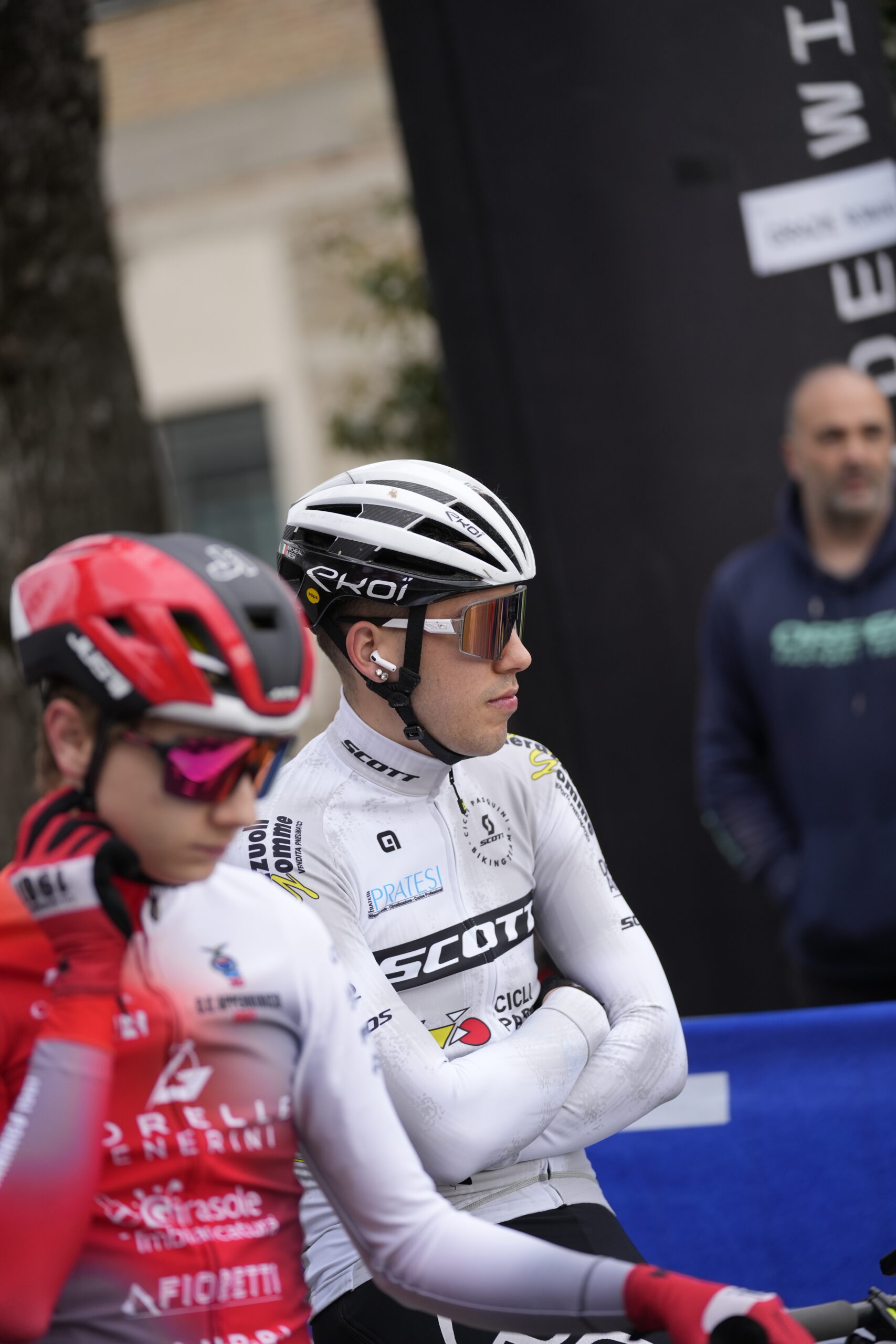
The service includes a photography session with a photographer for the day of the requested event
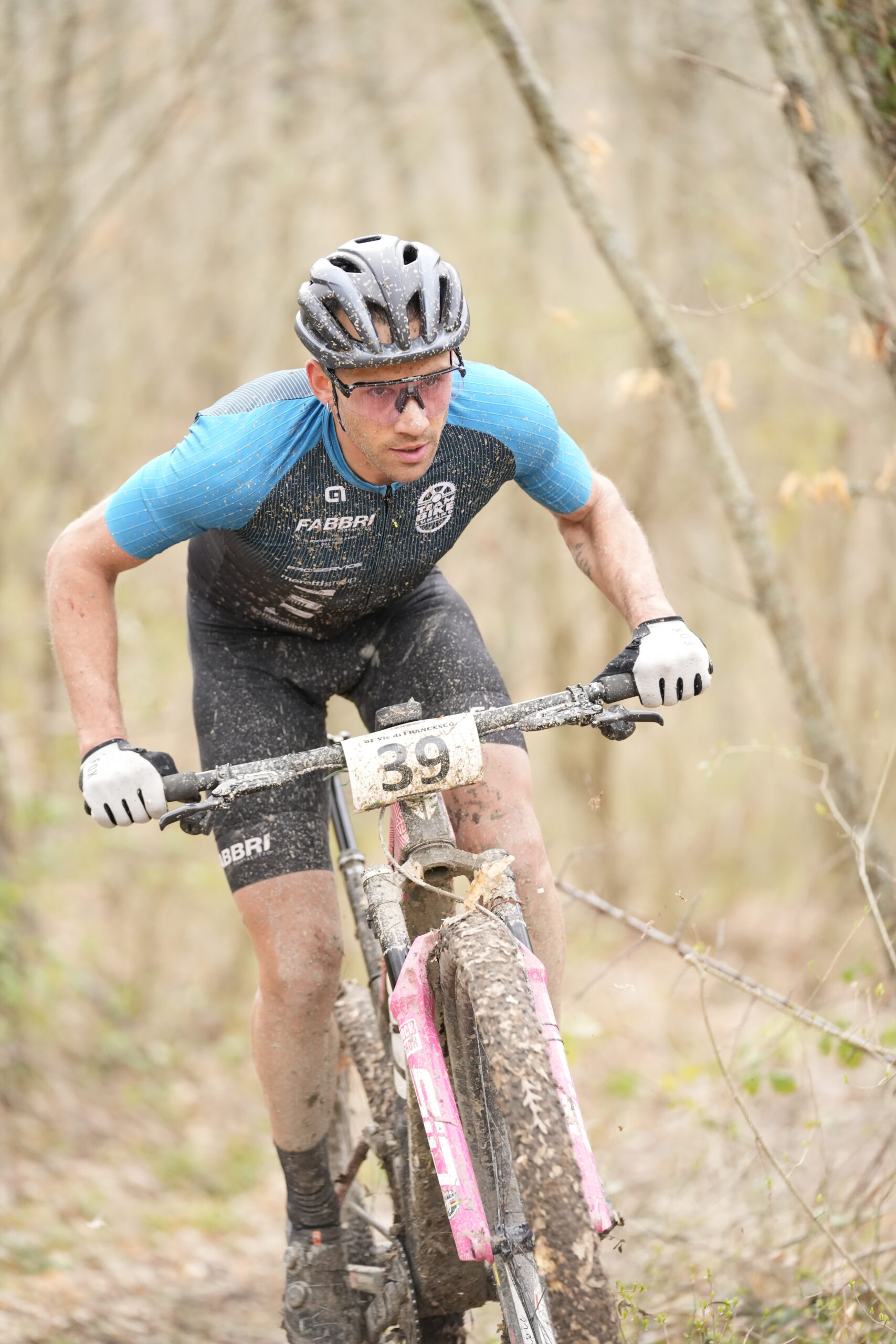
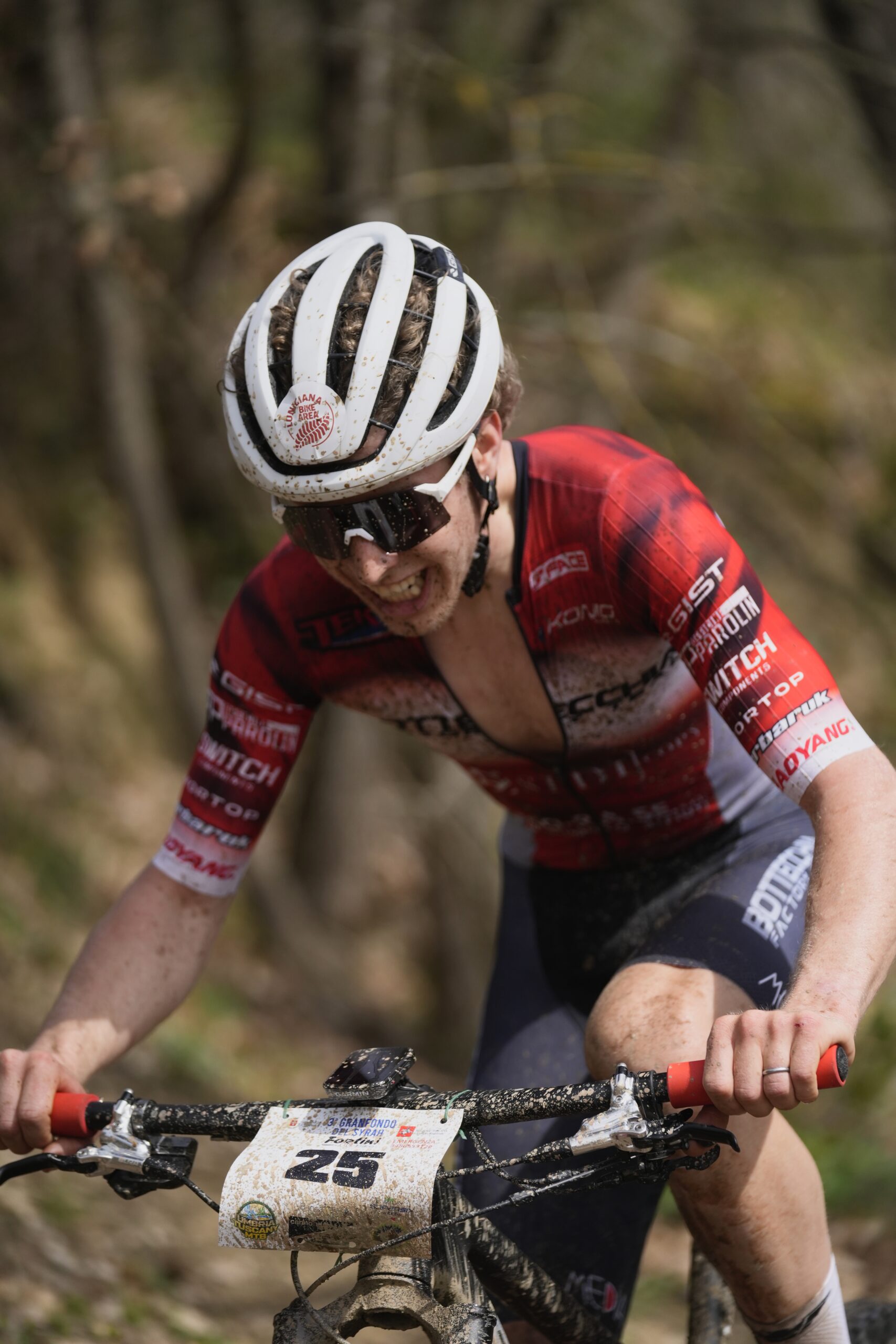
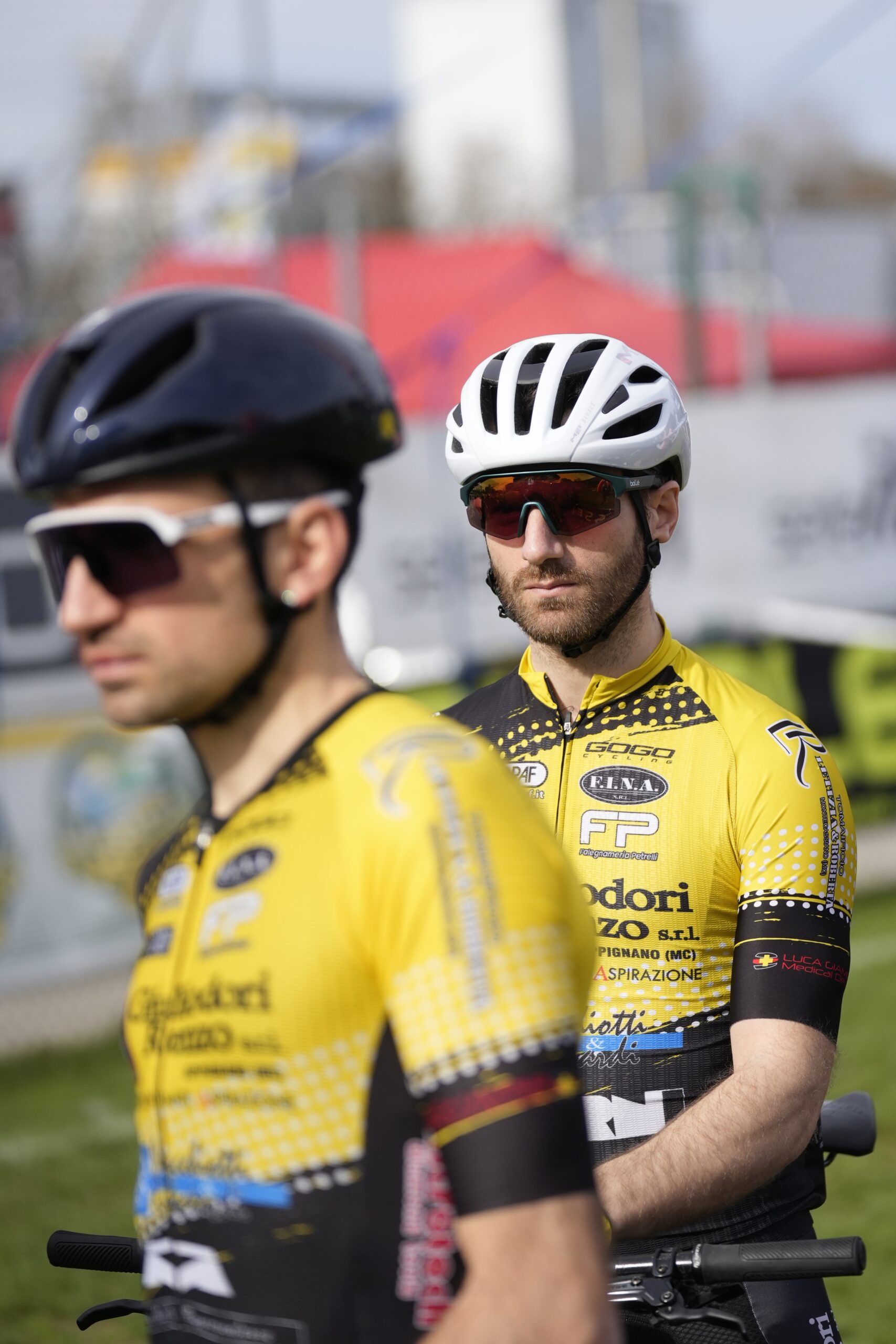
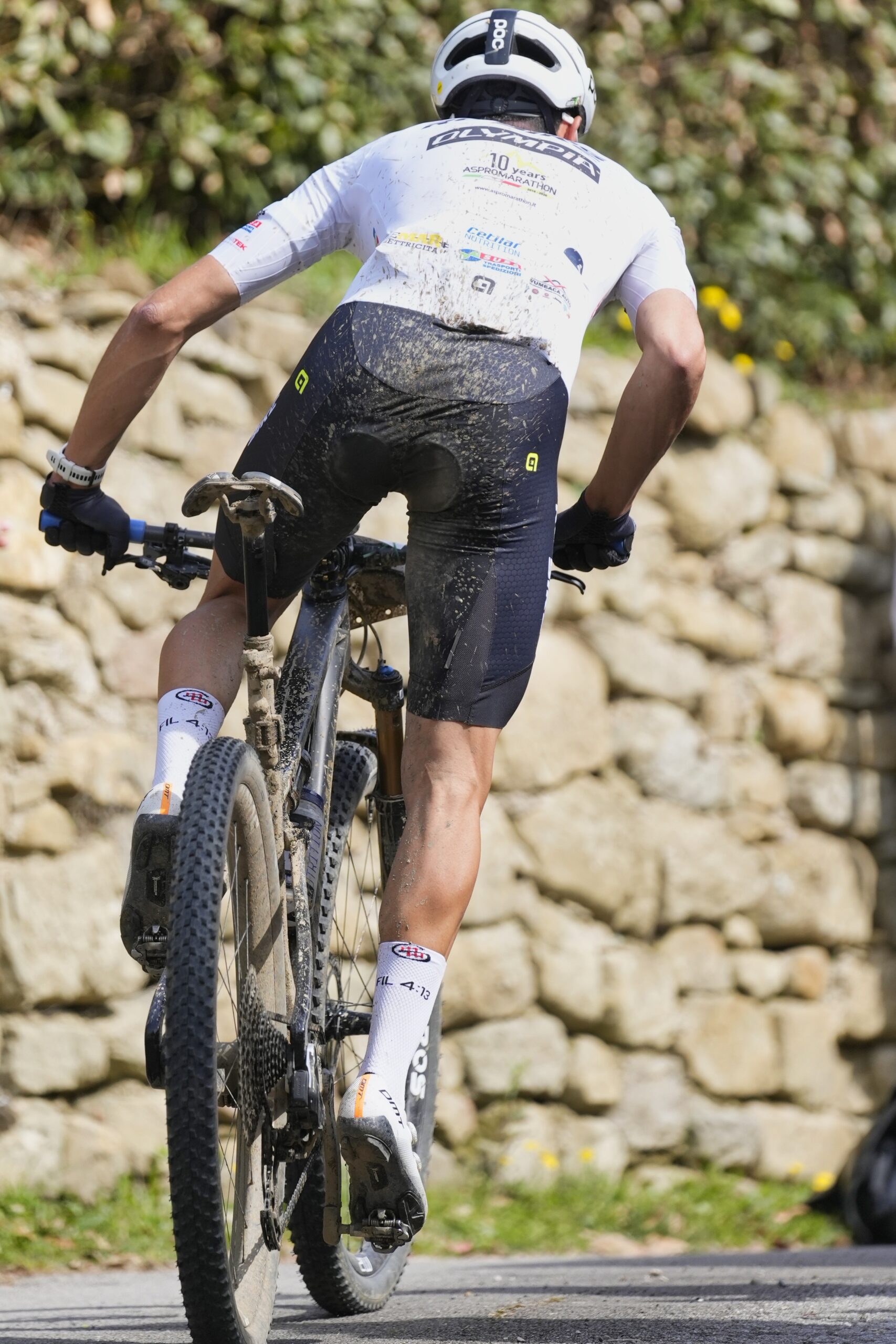
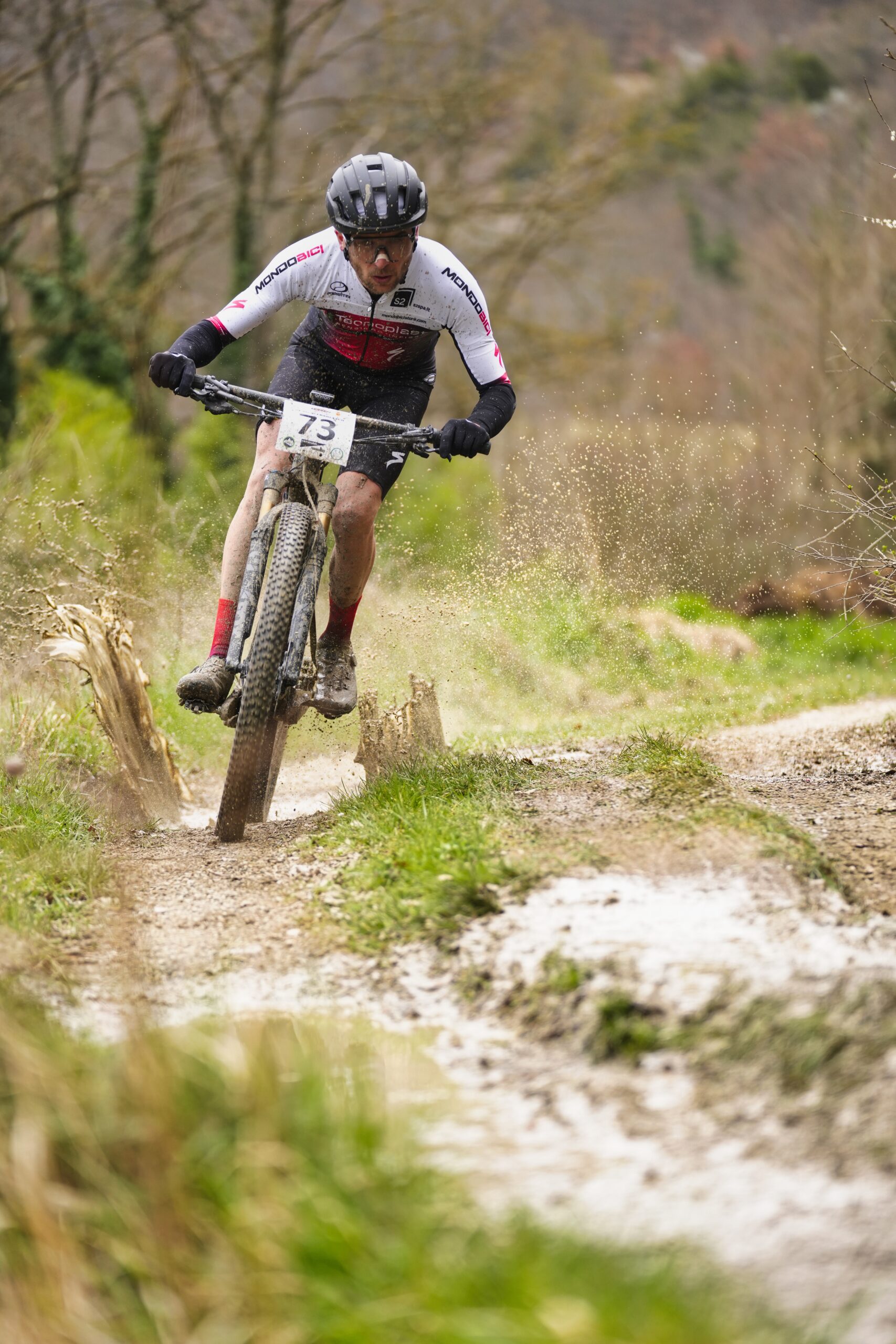
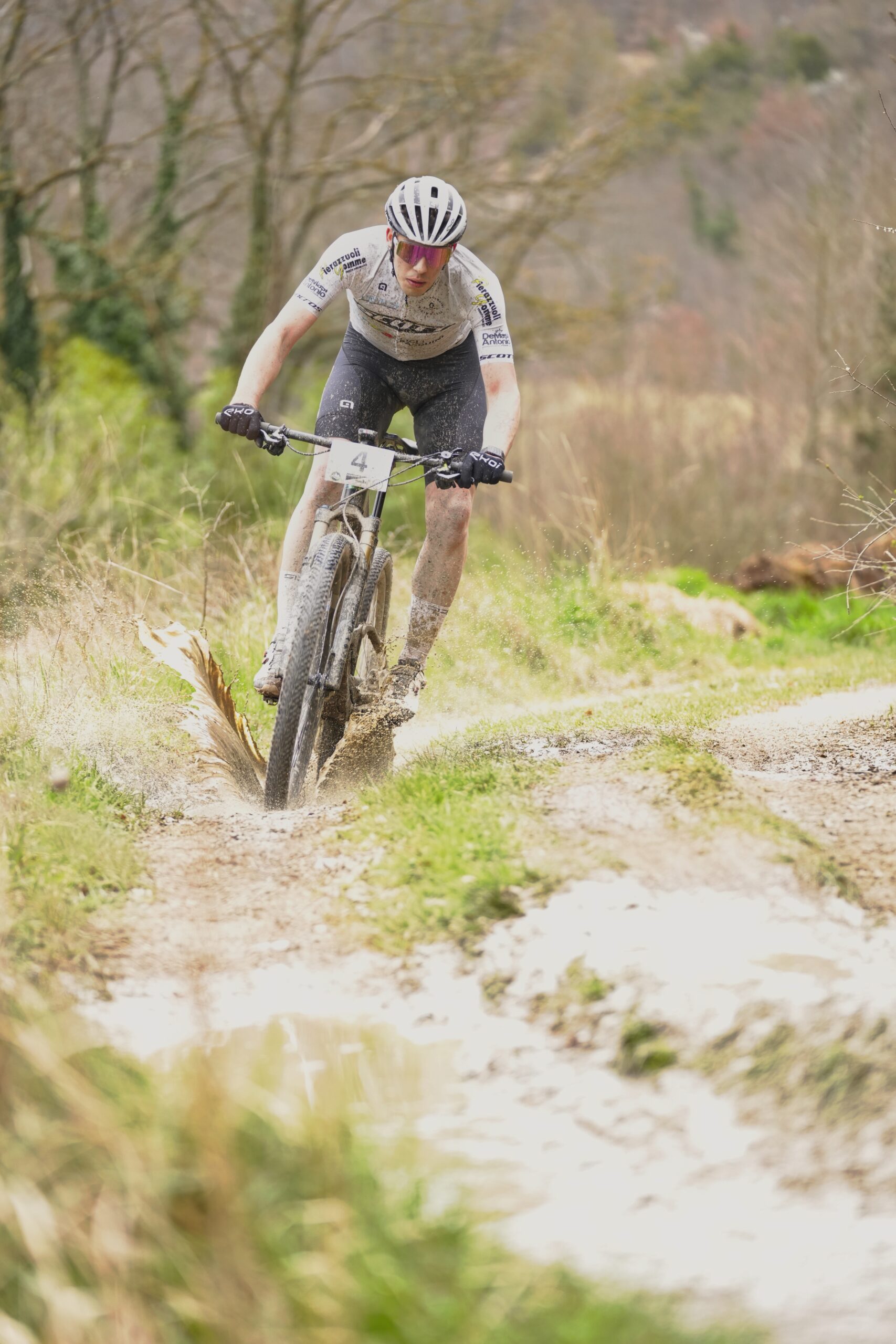
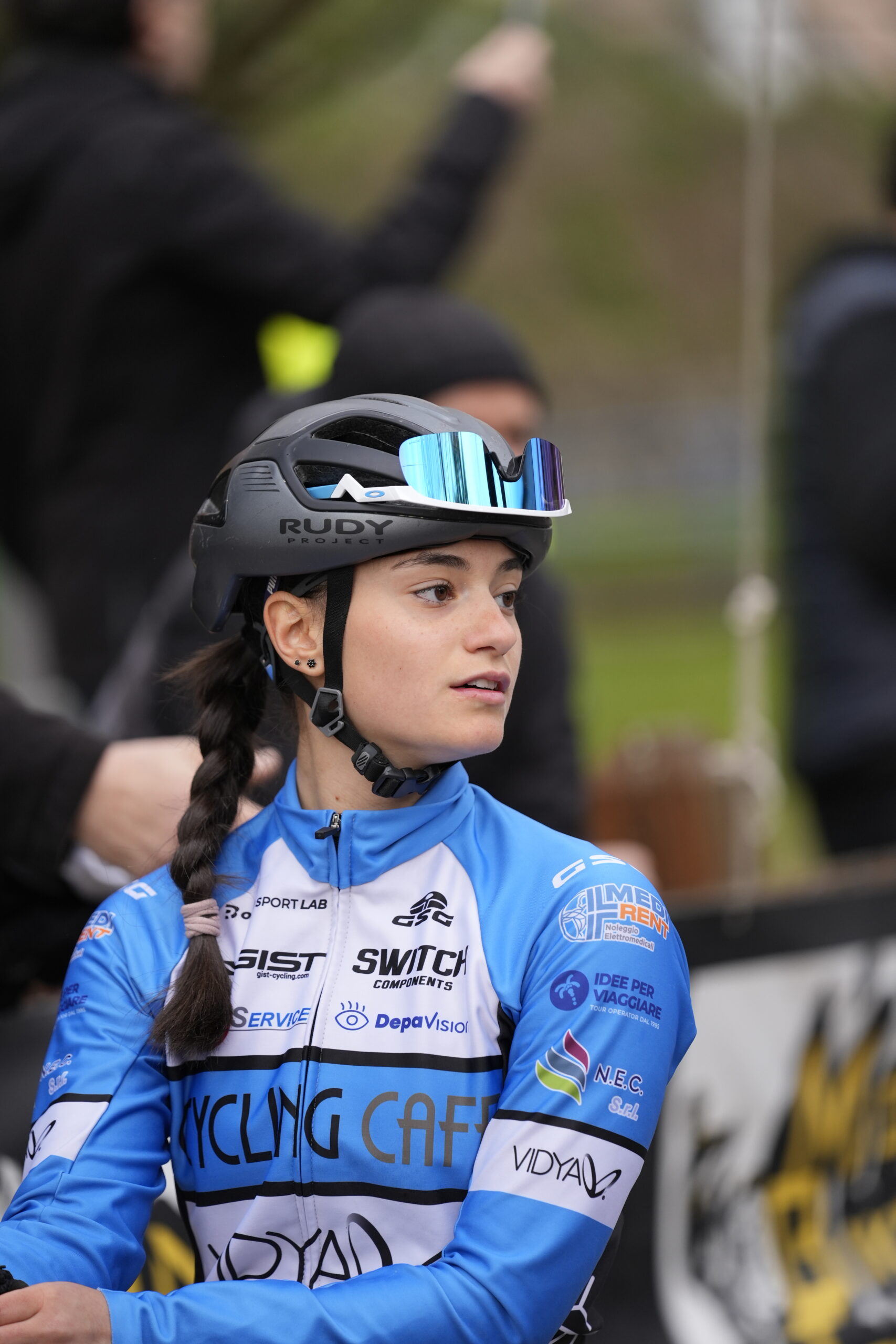
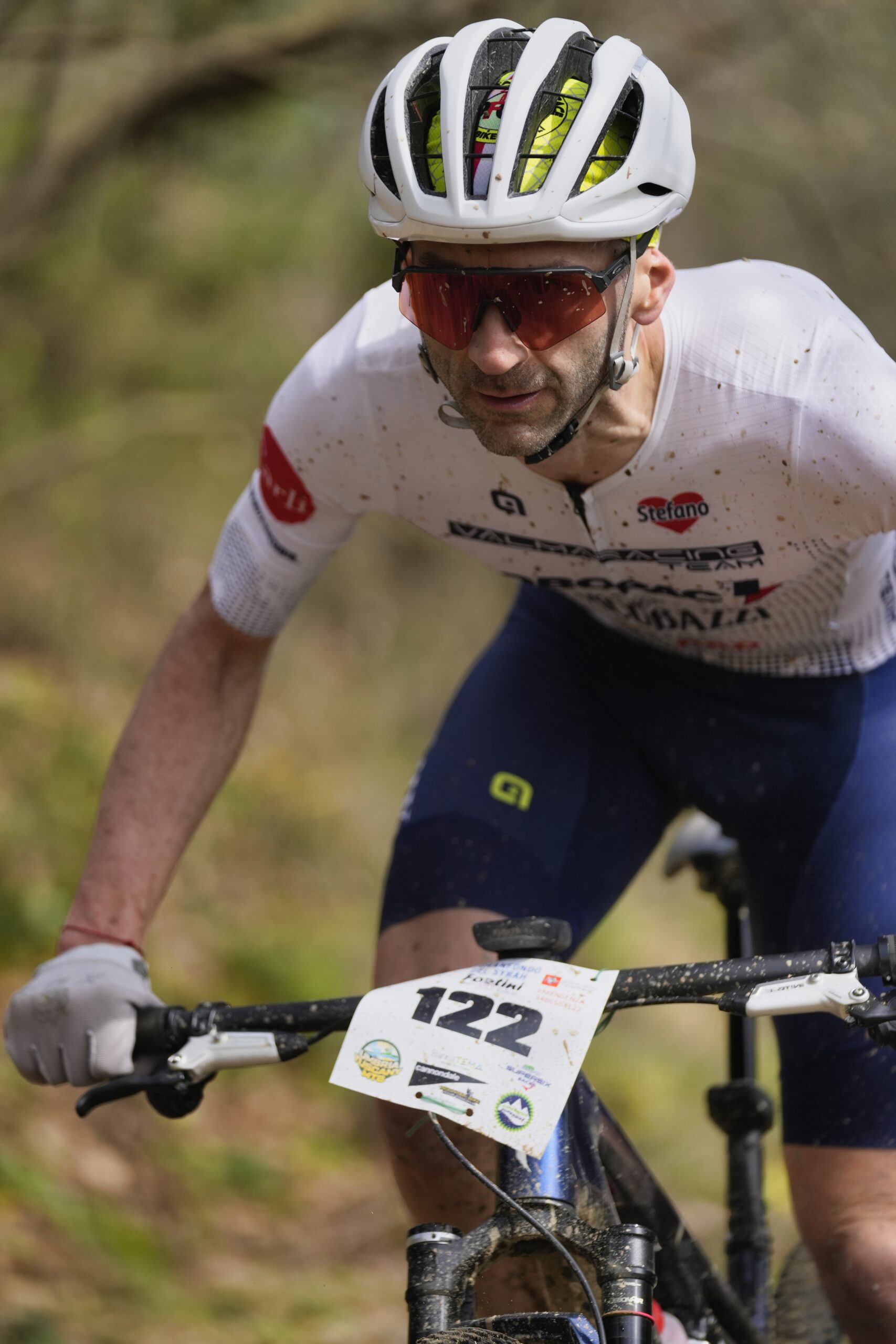
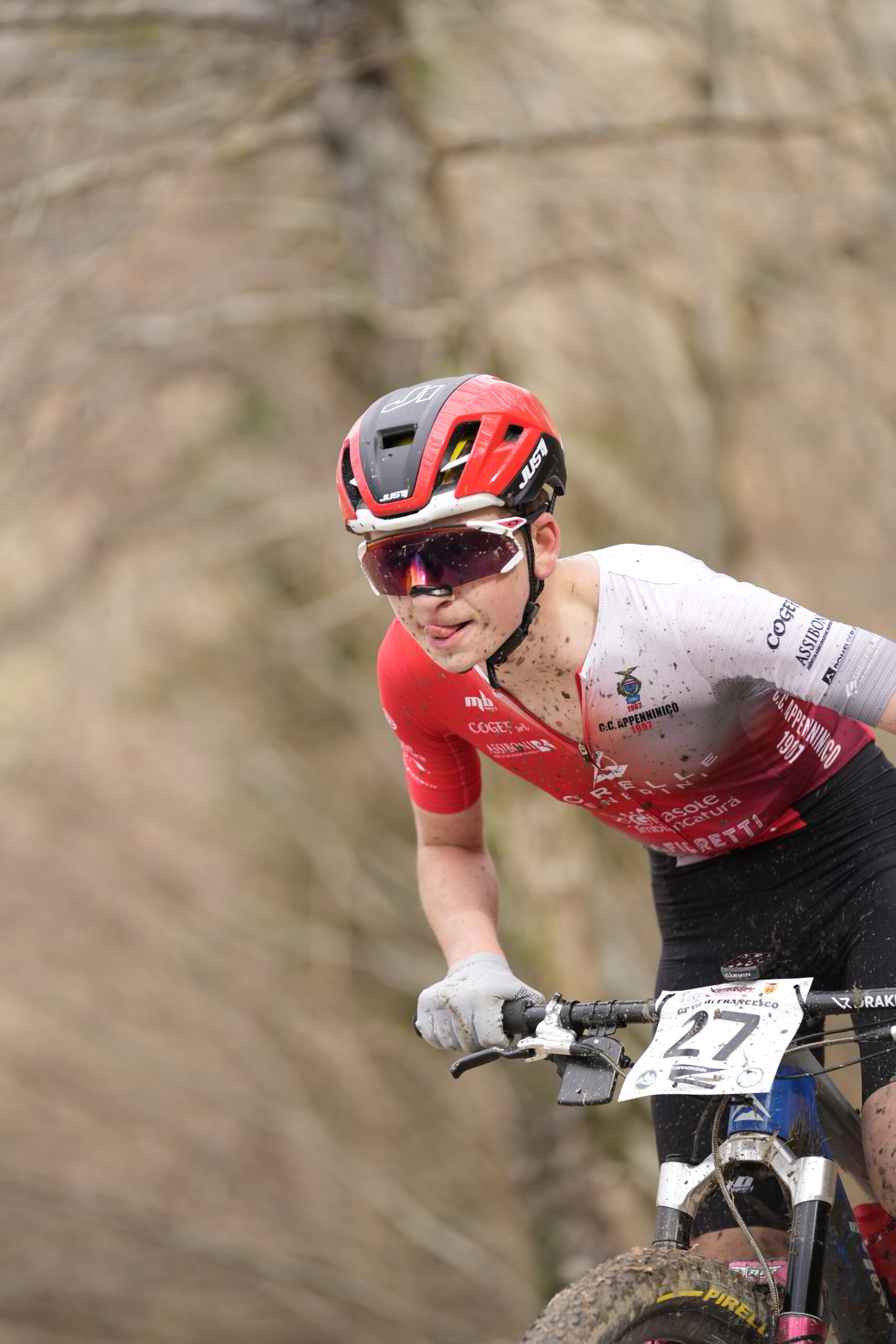
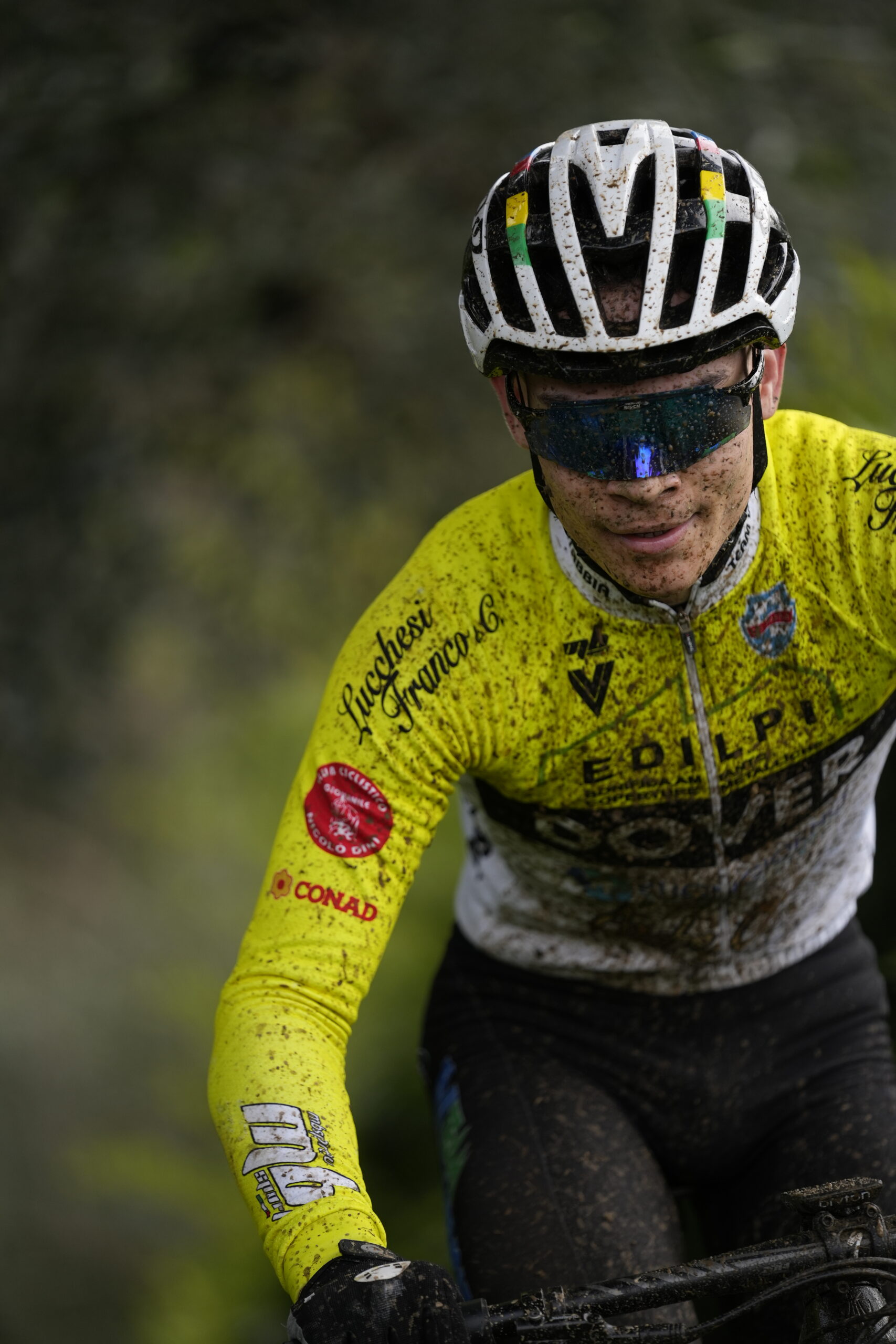
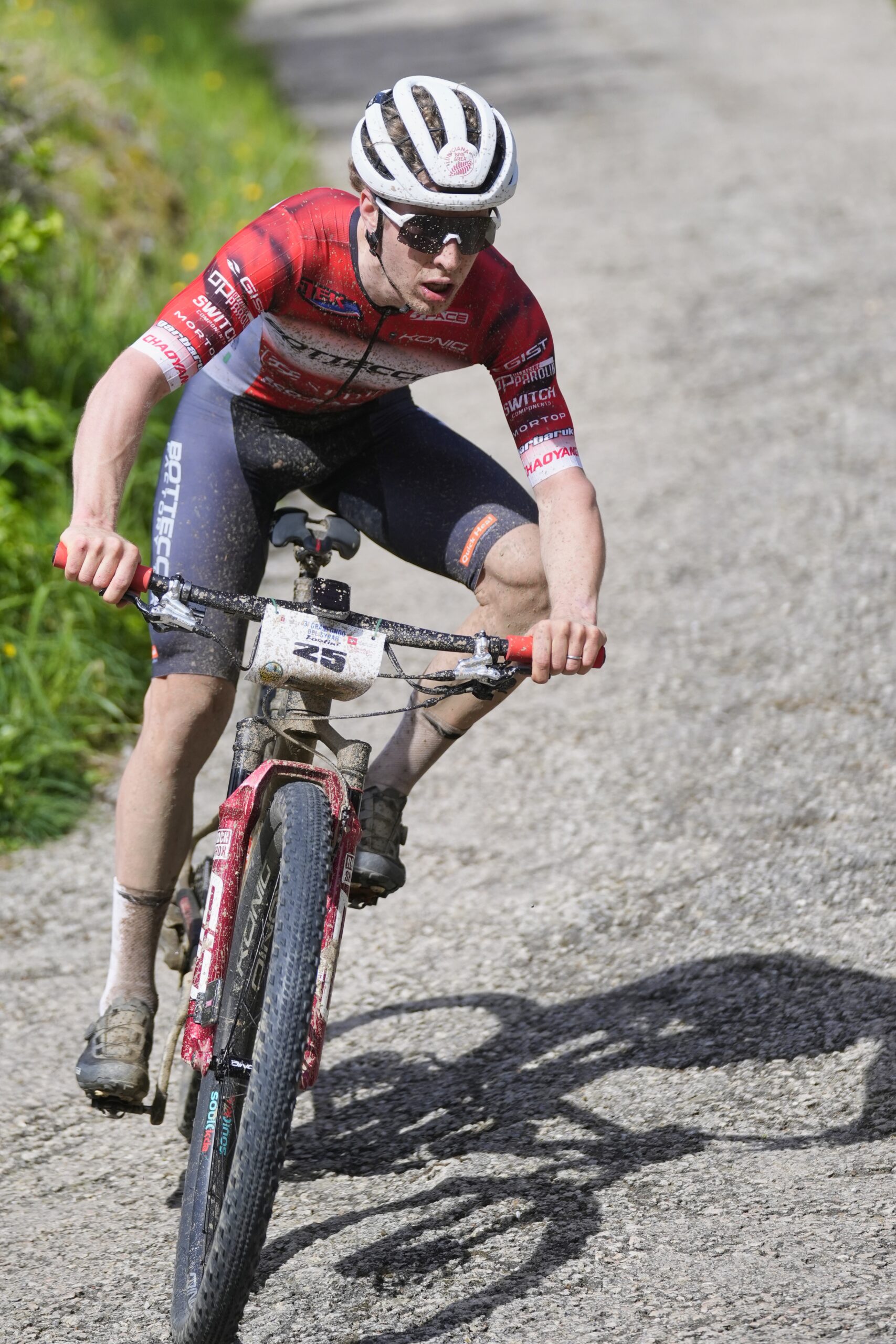
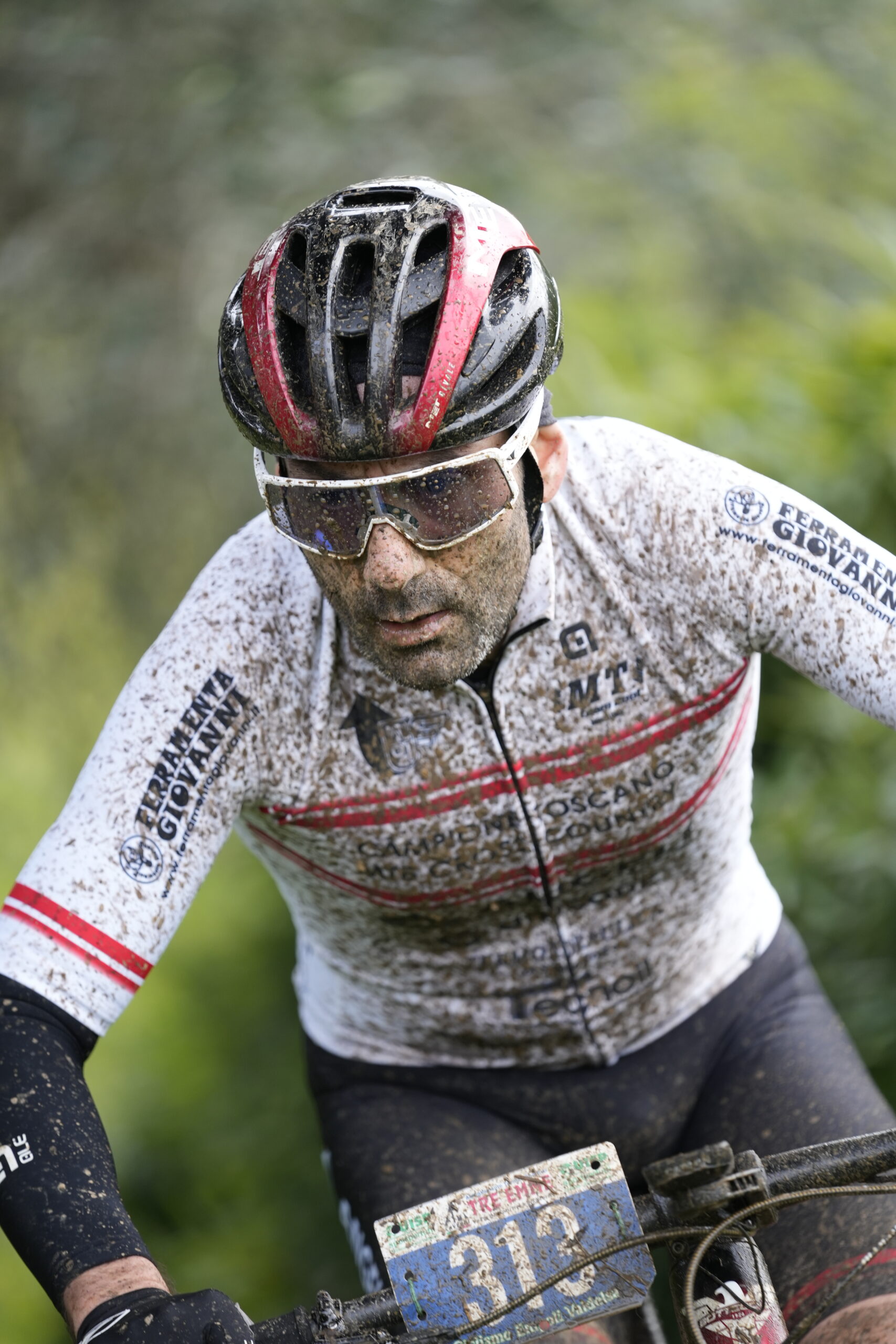
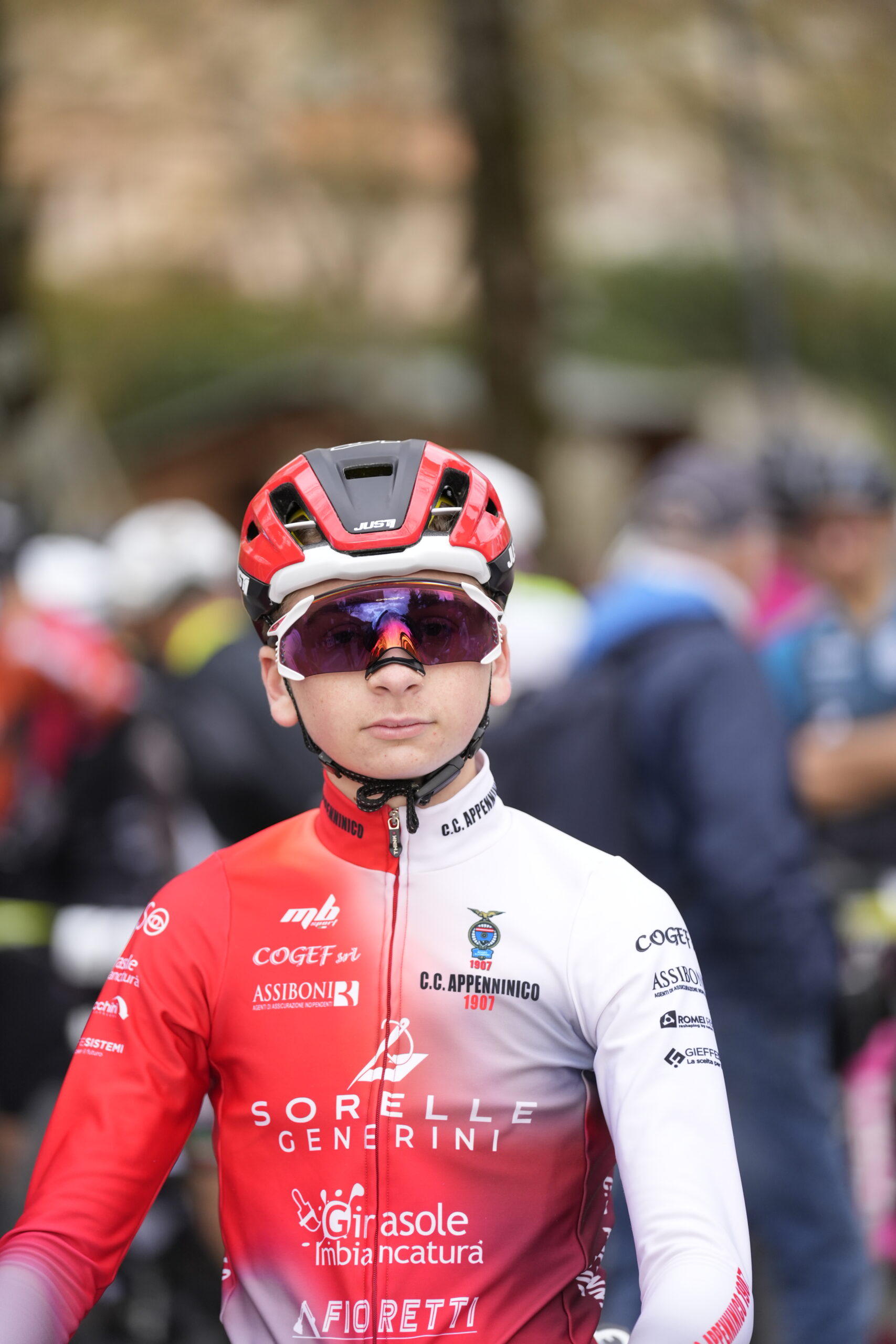
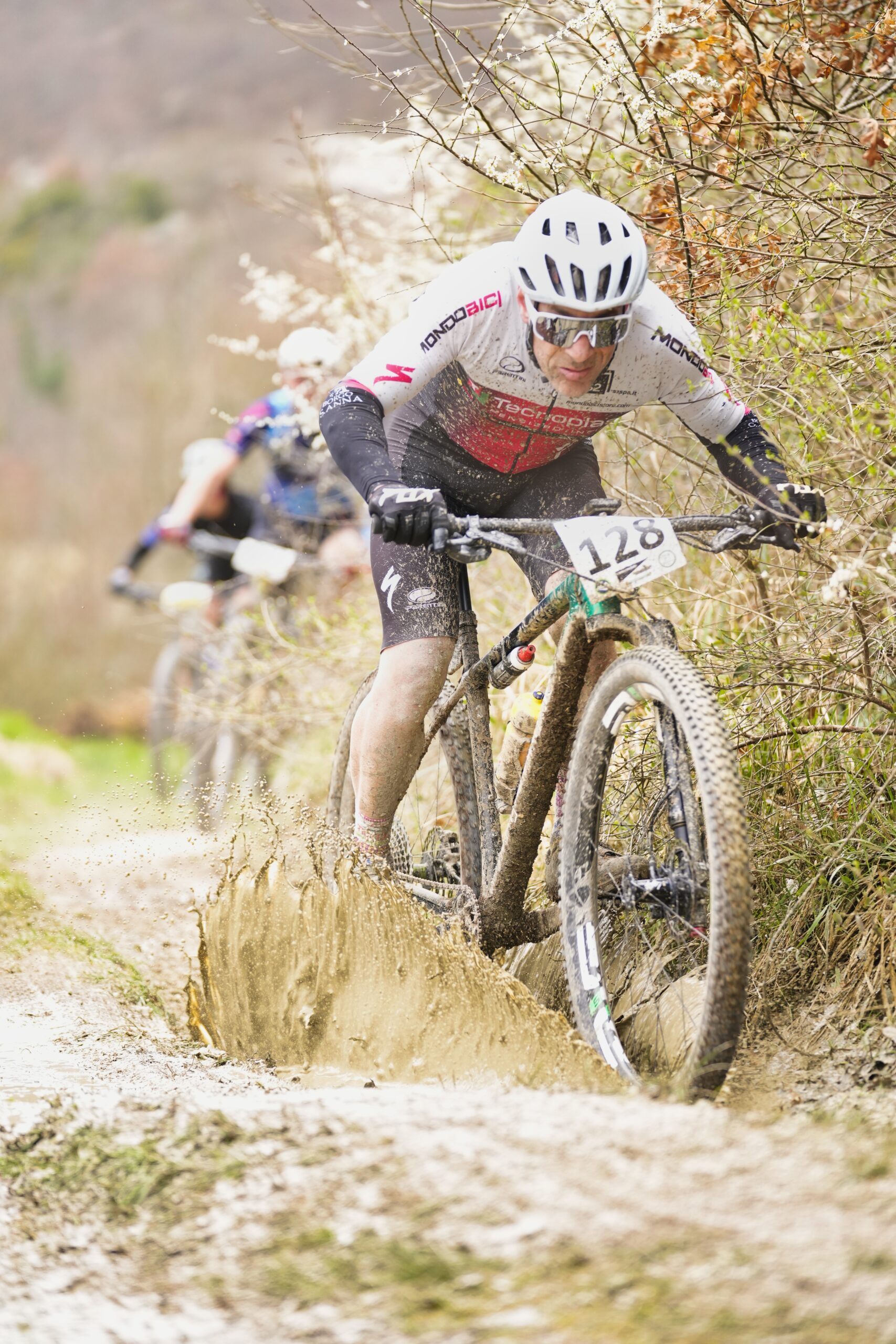
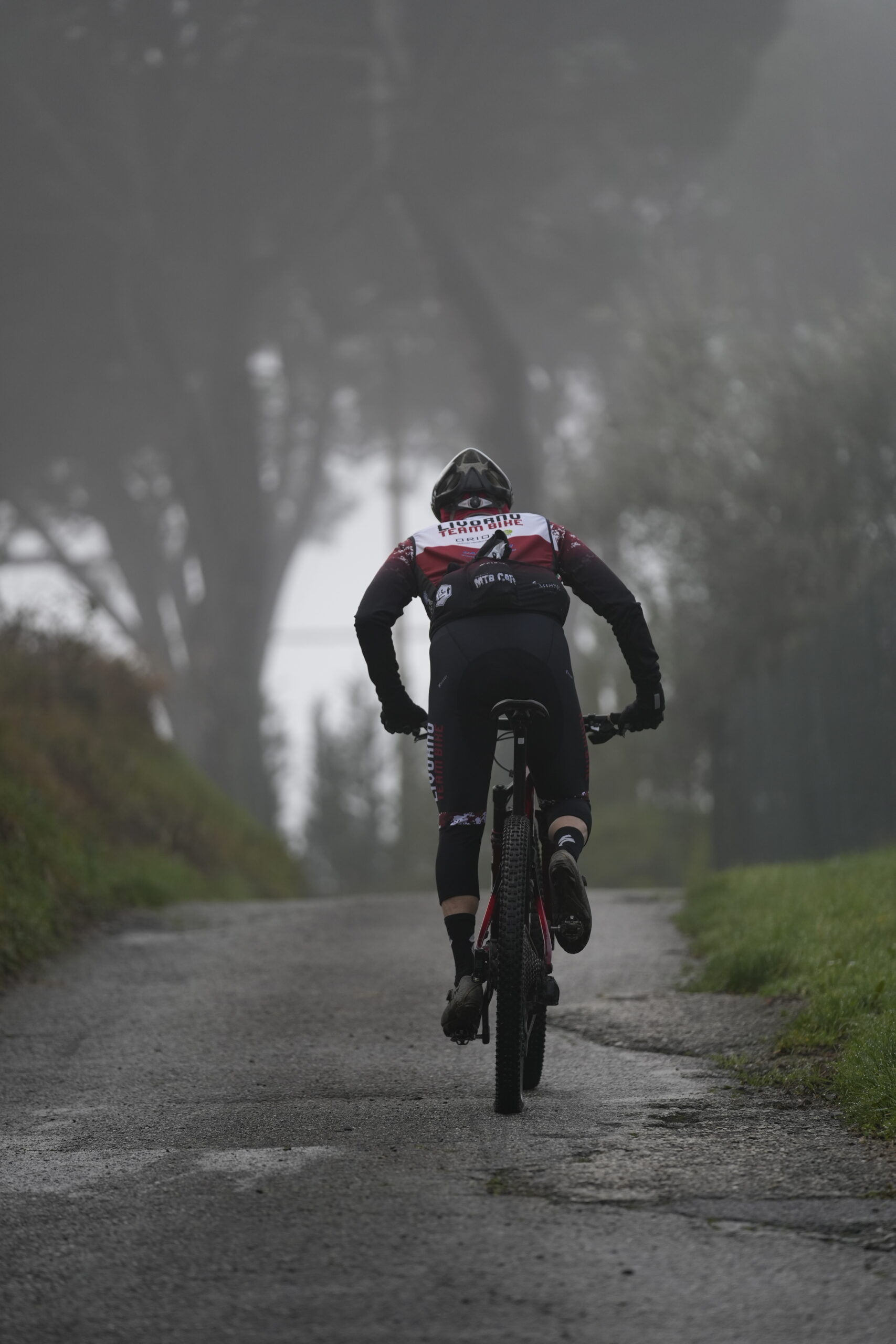
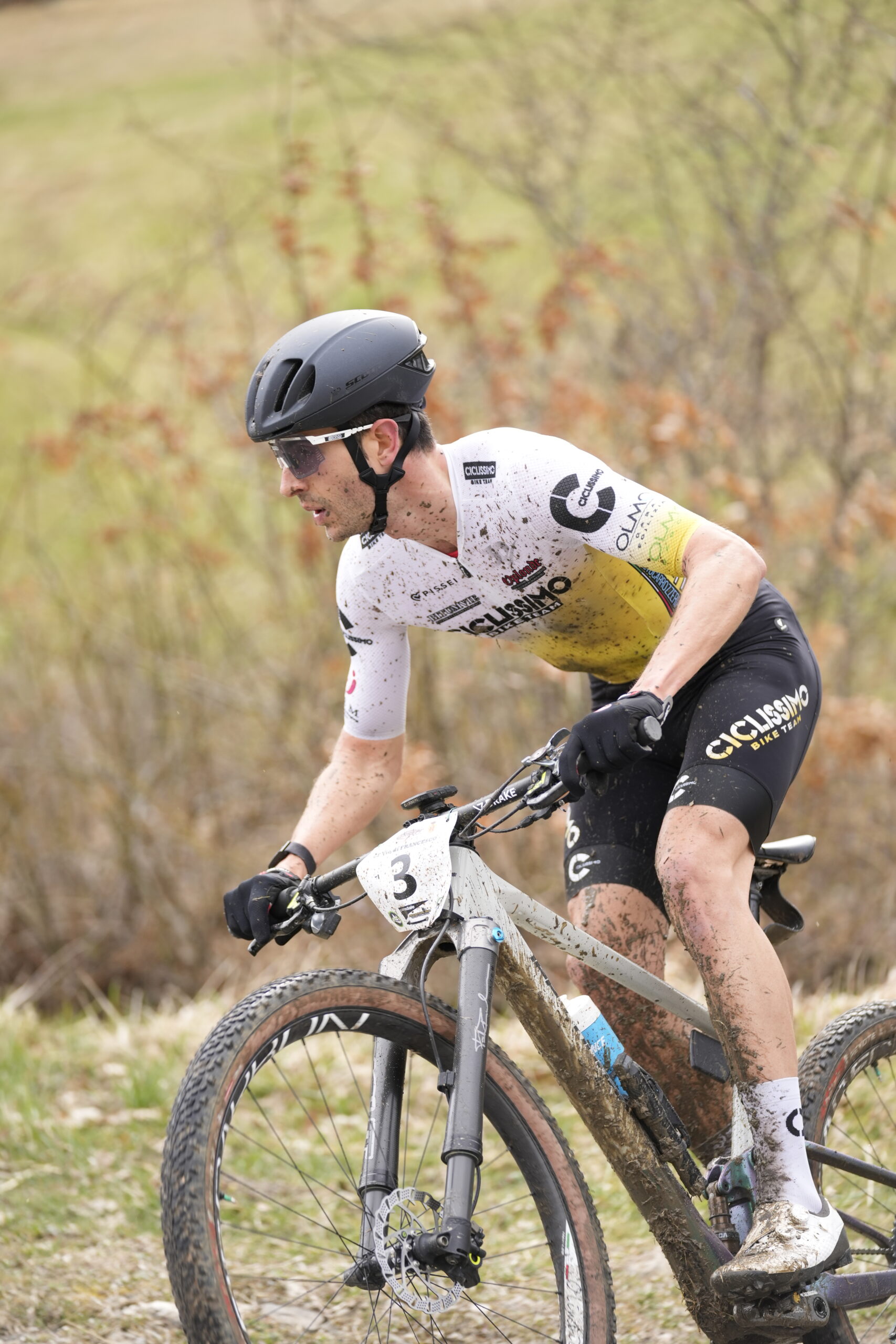
In sport, the right moment lasts a tenth of a second. The foot striking the ball, the hand touching the plate, the face of the person crossing the finish line first: you either seize it then, or it’s gone for good.
My name is Giovanni Papini and I cover sport throughout Tuscany, with both my camera and my video camera. Youth leagues, tournaments, running events, training sessions, team portraits, and highlight videos for clubs and sponsors. I work with equipment designed for the low light conditions in sports halls and the fast-paced action on outdoor pitches, and I deliver the material when it’s needed most: photos within 72 hours, video editing within five days.
I’m based in Serravalle Pistoiese, in the province of Pistoia, and I regularly travel to all ten provinces of Tuscany. Below you’ll find a summary of what I do in each one, including the facilities and sports typical of each area.
Every sport has its key moments and the angles from which it should be covered. These are the types of coverage I provide most often; if your sport isn’t on the list, do get in touch anyway – the approach is the same.
Florence hosts the largest number of sporting events in the region and offers the widest variety: from professional football at the Artemio Franchi Stadium to basketball and volleyball at the Nelson Mandela Forum, right through to athletics and rugby in the Campo di Marte area.
In Florence’s indoor venues, I work without a flash – which is banned by the regulations almost everywhere during matches – using very fast lenses that cope with the artificial lighting without washing out the colours of the kits. Outdoors, the problem is the opposite: at open-air venues, the light changes rapidly in the afternoon and half the pitch ends up in shadow whilst the other half remains in full sun. These are situations that can be managed if you’re aware of them in advance, which is why I arrive early at new venues before the match starts.
For Florentine clubs, I produce match highlights ready for evening broadcast, vertical clips for Instagram and TikTok, post-match interviews and pre-season presentation videos. For larger events, I work with multiple cameras so that the main action and reactions from the bench can be edited together. The edit is delivered within five days; for matches that need to be published immediately, we agree on a short clip to be delivered that same evening.
Pistoia is my home province: I’m based in Serravalle Pistoiese and I know the local sports facilities without having to study them. The Marcello Melani Stadium for football, the PalaCarrara for basketball – which has a following here that few towns of this size can boast – and the hilly routes of the Valdinievole and the Pistoia Mountains for cycling and trail running.
Being nearby offers two practical advantages for those who book me: I can cover an entire season without travel costs eating into the budget, and I can actually be there for races that are decided at the last minute.
When it comes to the Pistoia-based clubs, I often work on a season-long basis rather than for individual matches: recurring footage that becomes weekly highlights, end-of-season features and material for local sponsors. For cycling and trail running in the hills, I use handheld footage and drones where permits allow, which, on those routes, completely transform the narrative compared to static shots.
Prato is a rugby town even more so than a football one, and photographing rugby requires a different skill set: scrums, tackles and lineouts are chaotic, close-quarters moments where the angle of the shot matters more than the shutter speed. As well as rugby, I cover football at the Lungobisenzio Stadium and basketball and volleyball at the PalaKeynes.
The Prato sports scene consists mainly of youth and amateur clubs, where photographs help to maintain good relations with families and sponsors. It is a job that can only be done well by keeping a low profile: no posed shots are required, and the photographer must not be seen on the pitch.
For the Prato-based clubs, I produce team videos at the start of the season, highlights of league matches and short clips for social media channels. When it comes to rugby, the editing follows the phases of play rather than individual moments: it shows how the try was built up, not just the moment it is scored.
In Lucca, I follow the football at the Porta Elisa stadium and the indoor sports at the Palatagliate, but the most interesting part is what takes place outside the venues: the long-distance cycle races in the Lucca hills, the running races in and around the city walls, and the events that use the historic centre as their route.
Photographing a race that winds its way through a city means working from pre-arranged vantage points, knowing where the peloton will arrive and how much time is left to move on to the next spot. It’s planning even before it’s photography.
When it comes to races that pass through the historic centre, video captures the atmosphere better than still photography: footage shot whilst moving along the city walls and through the characteristic sections of the route conveys the course in a way that individual photographs simply cannot. I also produce presentation videos for clubs and promotional clips for events, which are useful to organisers for the next edition.
Pisa combines the football at the Arena Garibaldi with a very active university sporting scene, featuring athletics and team sports organised by the CUS. Added to this is rowing on the Arno, which has a light all of its own in the early hours of the morning, when training takes place.
Water sports require different equipment and shooting positions to those used on land: long telephoto lenses, pre-determined shooting positions on the banks, and the realisation that the boat will only pass by once.
I produce promotional videos, race footage and short social media clips for universities and clubs in Pisa. In rowing, sequence shots taken from the banks allow me to edit together the boat’s entire progression – which is exactly what a crew needs to review their performance and what a club needs to showcase it.
Livorno has two strong sporting traditions: basketball, with a local heritage that fills the Modigliani Forum to capacity, and all water-based activities, from sailing and rowing to events at sea. Alongside these is football at the Armando Picchi Stadium.
Photographing at sea and in harbour is a different matter altogether: you’re shooting from a moving boat, the light reflected off the water can throw off the exposure readings, and your equipment needs to be protected from salt spray. These are conditions that need to be planned for before setting out, not dealt with on the spot.
For regattas and events at sea, I film from a support boat and, where permits allow, carry out aerial filming: in sailing, a drone is the only way to show the relative positions of the boats. For basketball, I work on match highlights and vertical clips, meeting the evening deadlines required by the league.
Siena has a rich basketball tradition, which the Mens Sana Palasport has hosted for decades, and every spring it becomes the finish line for the Strade Bianche, which concludes in Piazza del Campo after the gravel sections through the Crete Senesi. These are two very different experiences: the indoor wooden floor of a sports hall and sixty kilometres of dirt roads amidst the hills.
In cycling races that pass through the Siena area, the main problem is the dust, which gets everywhere and makes it impossible to change lenses mid-race. You choose your lens configuration at the start and leave it as it is.
The hills around Siena are one of the places where sports video really comes into its own: the dirt tracks winding through the cypress trees, when filmed from well-chosen vantage points, convey the exertion of the race better than any photograph. For the city’s clubs, on the other hand, I produce league highlights, team presentations and content for sponsors.
In Arezzo, I follow the football at the Stadio Città di Arezzo, the indoor sports at the PalaEstra, and the numerous running and cycling events in the Valdichiana and Casentino regions. It is an area where there are many well-organised amateur clubs, and where my photography serves above all to keep ties with the local community alive.
For the Arezzo youth leagues, I use the same approach as I do with the professionals: I stay on the touchline, change position between halves, and don’t ask the players to pose. The level changes, but not the way I work.
I produce pre-season presentation videos, match highlights and end-of-season features for Arezzo-based clubs. For running and cycling events in the province, footage shot along the route is turned into promotional material that the organisers reuse for the following edition.
Grosseto is the Italian capital of baseball, and baseball is one of the most difficult sports to photograph well: the action is unpredictable, unfolds in an instant and can take place at three different points on the field at the same time. You need to understand the game to know where to look before it happens.
As well as baseball, I follow athletics at the Carlo Zecchini Stadium and equestrian sports in the Maremma, where events take place in open-air settings that require a long focal length and a great deal of patience.
In baseball, video allows you to reconstruct the entire sequence of play, from the pitch to the final play – which is exactly what a photograph cannot do. For clubs in Grosseto, I produce match highlights, interviews and promotional material; for equestrian events, I film in the open countryside and produce videos for organisers and sponsors.
The province of Massa-Carrara combines football at the Stadio dei Marmi in Carrara and the Stadio degli Oliveti in Massa with outdoor sports in the Apuan Alps: trail running, mountain races and events taking place on challenging routes, often accessible only on foot.
High-altitude races require a different approach to those on the flat: you choose a point, get there before your competitors and stay there, because it’s not possible to move around during the race. On the other hand, when the mountain light is favourable, it produces results that cannot be achieved on the flat.
On the Apuan trails, I work with lightweight equipment and shoot whilst on the move, supplemented by aerial footage where permits allow. The result is footage that the organisers use to promote the next event and that participants share – which is worth more than any paid advertising.
Let’s get in touch to discuss the scope of the assignment, the schedule, the venue and exactly what you need: a full report, just the key moments, portraits, a video, or all of the above. If there are any particular athletes you’d like me to focus on, please let me know. At venues I’m not familiar with, I’ll arrive early to check the lighting and shooting positions.
I work without getting in the way: no flash on the pitch, no requests for poses, and I don’t get in the way of the action. I change position between halves so as not to end up with fifty shots all taken from the same angle.
Selection and post-production: exposure, contrast, colour correction on uniforms, cropping. Photos are uploaded to a private online gallery within 72 hours, with full-resolution downloads available; video editing is completed within five days. For those who need to publish the same day, we can arrange for a shortlist to be delivered in the evening.
It’s not about having a better camera. It’s just that sport takes away everything you normally rely on.
You can’t ask them to repeat the action. You can’t use a flash. Often, you can’t even get any closer than a certain line. Indoor venues have lighting that distorts the colours, and outdoor pitches go from full sun to shade within the space of an hour.
What remains is the ability to read the game — to work out where the ball is going to end up rather than chasing after it — and to have equipment that can cope with fast-paced action in low light without the images becoming unusable. The rest is a skill honed on the touchline.
The images and videos are supplied with a licence for use by companies, athletes and sponsors, as agreed at the quotation stage, so that no one is left with material they cannot publish.
On minors: When I work with youth teams, I obtain consent forms via the club before the match, and images of players taken without consent are neither handed over nor published. This is a condition of employment, not an option.
The price depends on the province, the duration, the number of players and the type of delivery: a day’s tournament is not the same as a one-hour match; taking portraits of a 25-strong squad is not the same as producing a photo report; and video production has its own turnaround times.
Please let me know the discipline, date, venue and what you need: I’ll send you a written quote, with no obligation, usually by the following day. For clubs wishing to cover an entire season, there are package deals that offer better value than the sum of the individual events.
In which provinces of Tuscany do you work?
All ten: Florence, Prato, Pistoia, Lucca, Massa-Carrara, Pisa, Livorno, Arezzo, Siena and Grosseto. I’m based in Serravalle Pistoiese, so travel times to Pistoia, Prato, Florence and Lucca are minimal. For events outside the region, we can discuss this and agree on the travel arrangements when drawing up the quote.
Do you take both photos and videos at the same event?
Yes, and that’s the most common request. At small events, I handle both, alternating between them; at major competitions, where missing a single moment is unacceptable, I work with a colleague so that neither type of footage is compromised. The difference is agreed upon in the quote.
How far in advance do I need to book?
A single match usually takes one or two weeks to organise. For team events at the start of the season, it’s best to make arrangements earlier: between September and October, bookings all tend to be concentrated in the same period. For multi-day tournaments, it’s best to book a month in advance.
Do you also photograph youth and amateur leagues?
Yes, and that’s a large part of the work. Youth, amateur and recreational teams use the same equipment and the same methods as the professionals. For minors, consent forms are collected by the club before the match.
How long does it take you to deliver the material?
Photos will be available within 72 hours of the race in a private online gallery, with full-resolution downloads. The video montage will be ready within five days. If the club needs to publish the content on the same day, we will agree on a smaller selection or a short clip to be delivered in the evening.
Can you take photos in sports halls with low light?
Yes. I use very fast lenses and camera bodies that perform well at high ISO settings, so there’s no need for a flash – which, in any case, is almost always banned by the regulations during races. That’s exactly the sort of situation this kit is designed for.
Do you use a drone for filming?
Where authorisation permits, yes: when it comes to trail running, cycling and sailing, the situation is completely different. Aerial filming requires permits, which need to be checked on a case-by-case basis and which I handle during the organisational phase.
Can the images be used for the club’s sponsors and social media?
Yes, the terms of use for companies, athletes and sponsors are set out in the quotation. That way, you know right from the start where you can publish the material and won’t face any restrictions once you’ve gone ahead.
Because every photo should be unique. Let us make your day special. We’ll create a wonderful story.
 Italian Italian
 English Italian Italian English