
Menus

- Home
- About me
- ServicesAdd memories of every momentGiovanni PapiniTHE SERVICES I OFFER
- Projects
- Contact me


Christening photographer
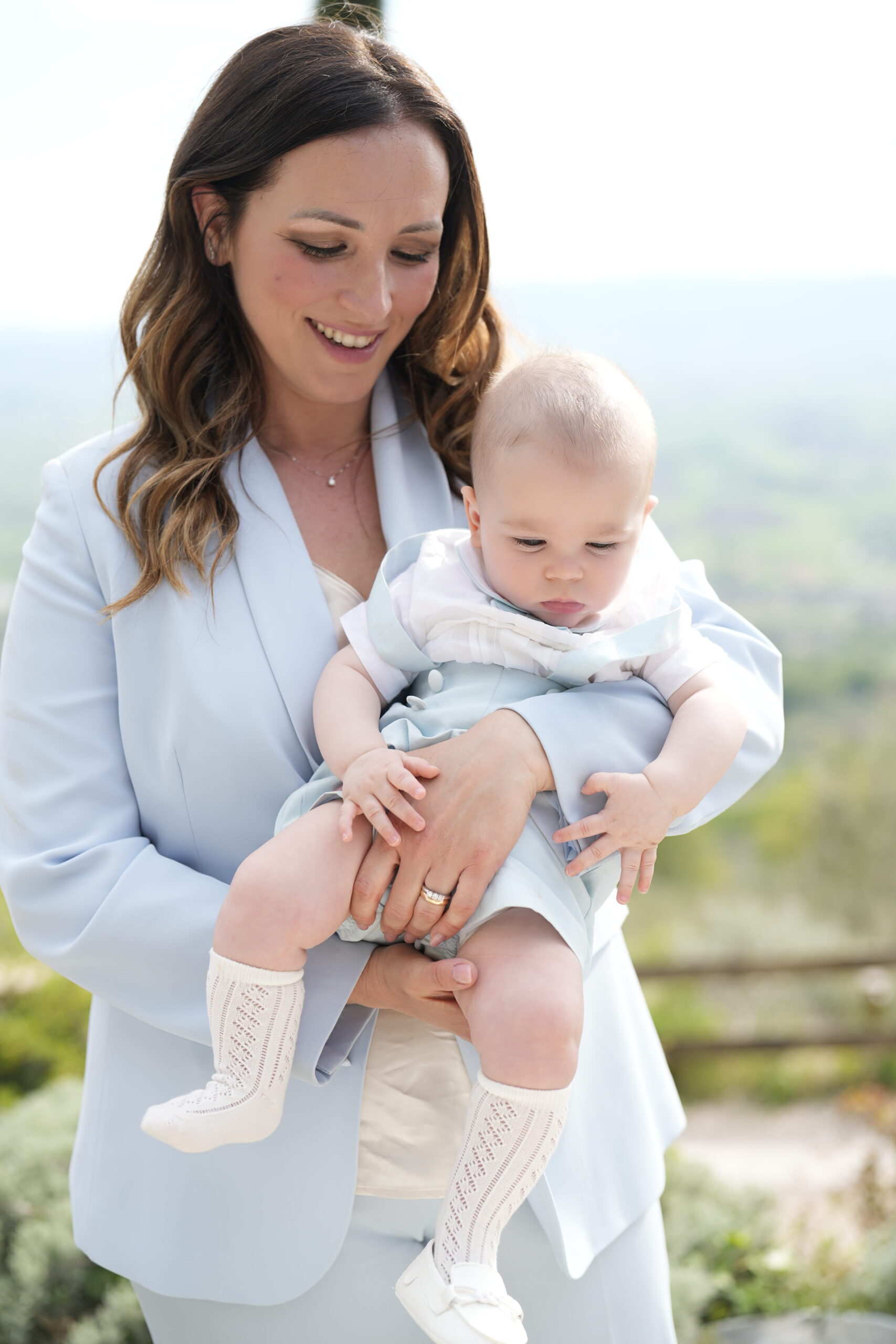
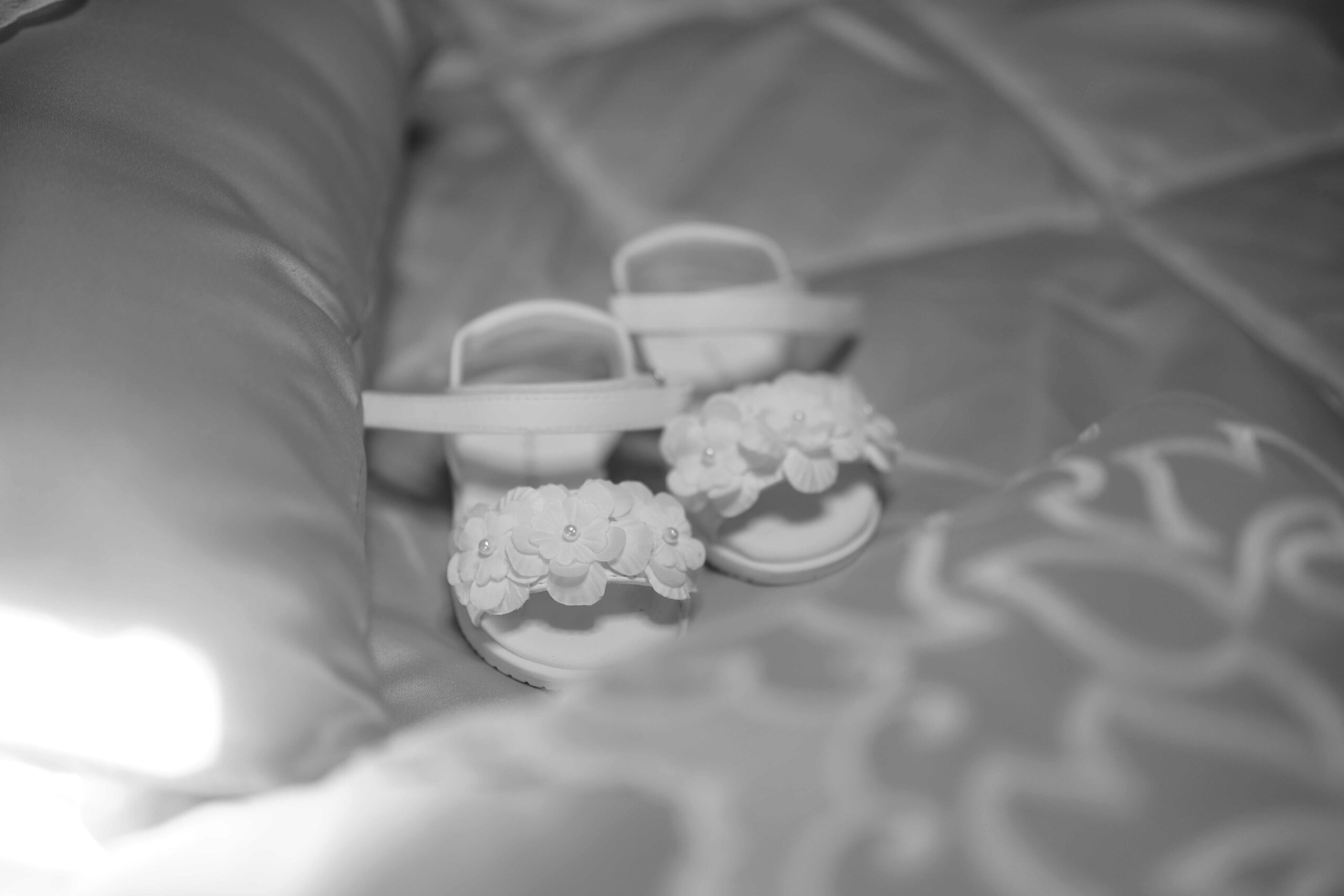
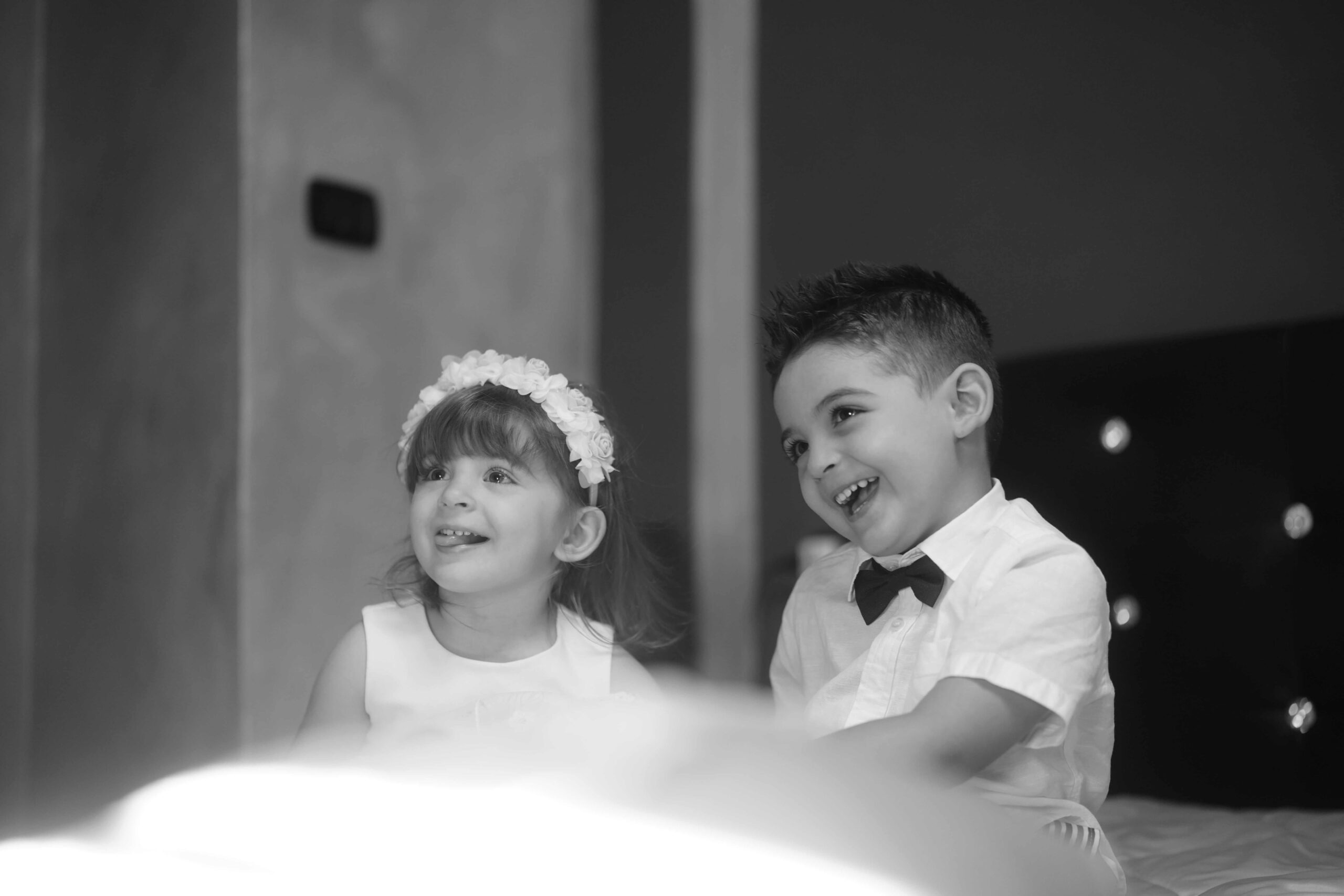
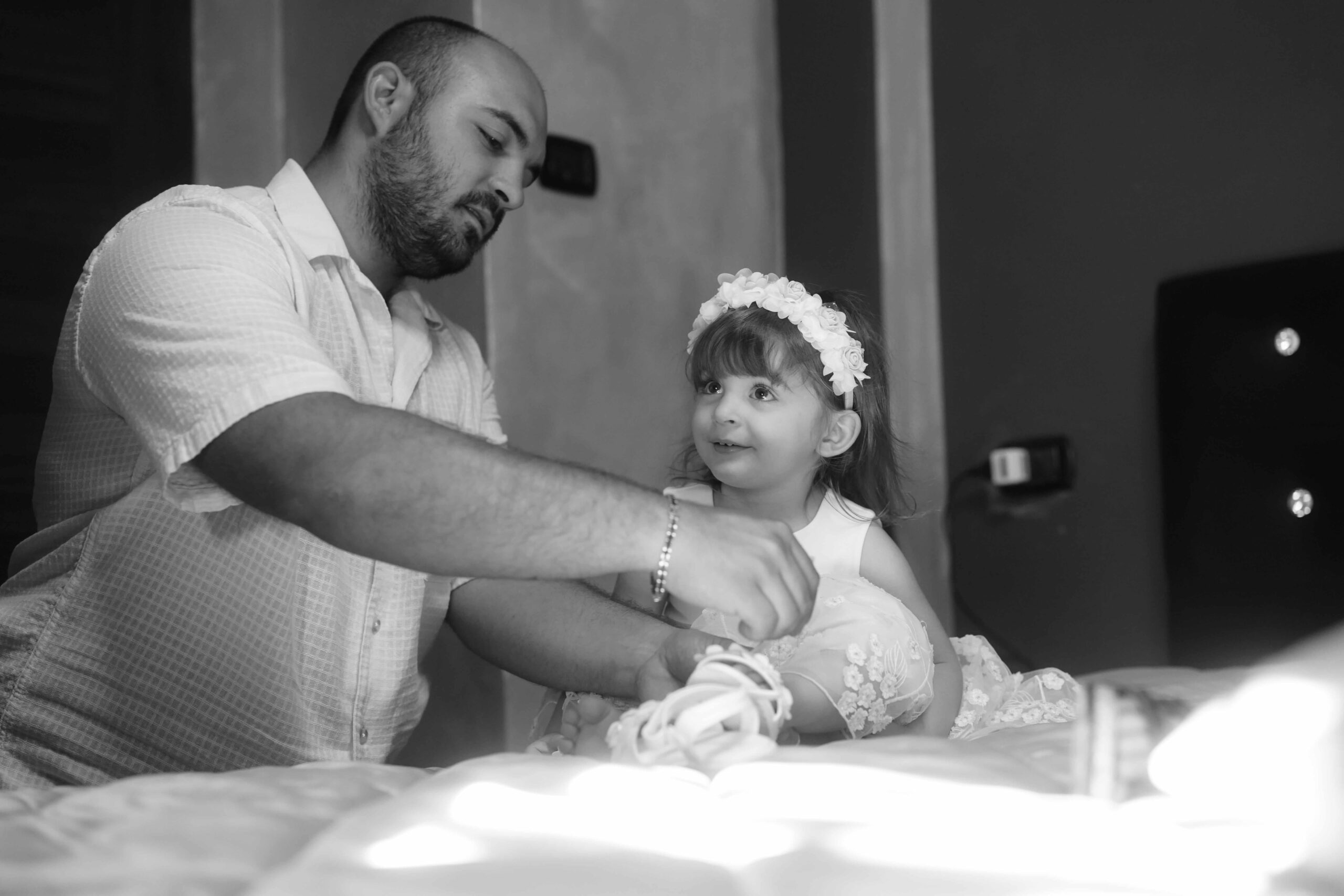
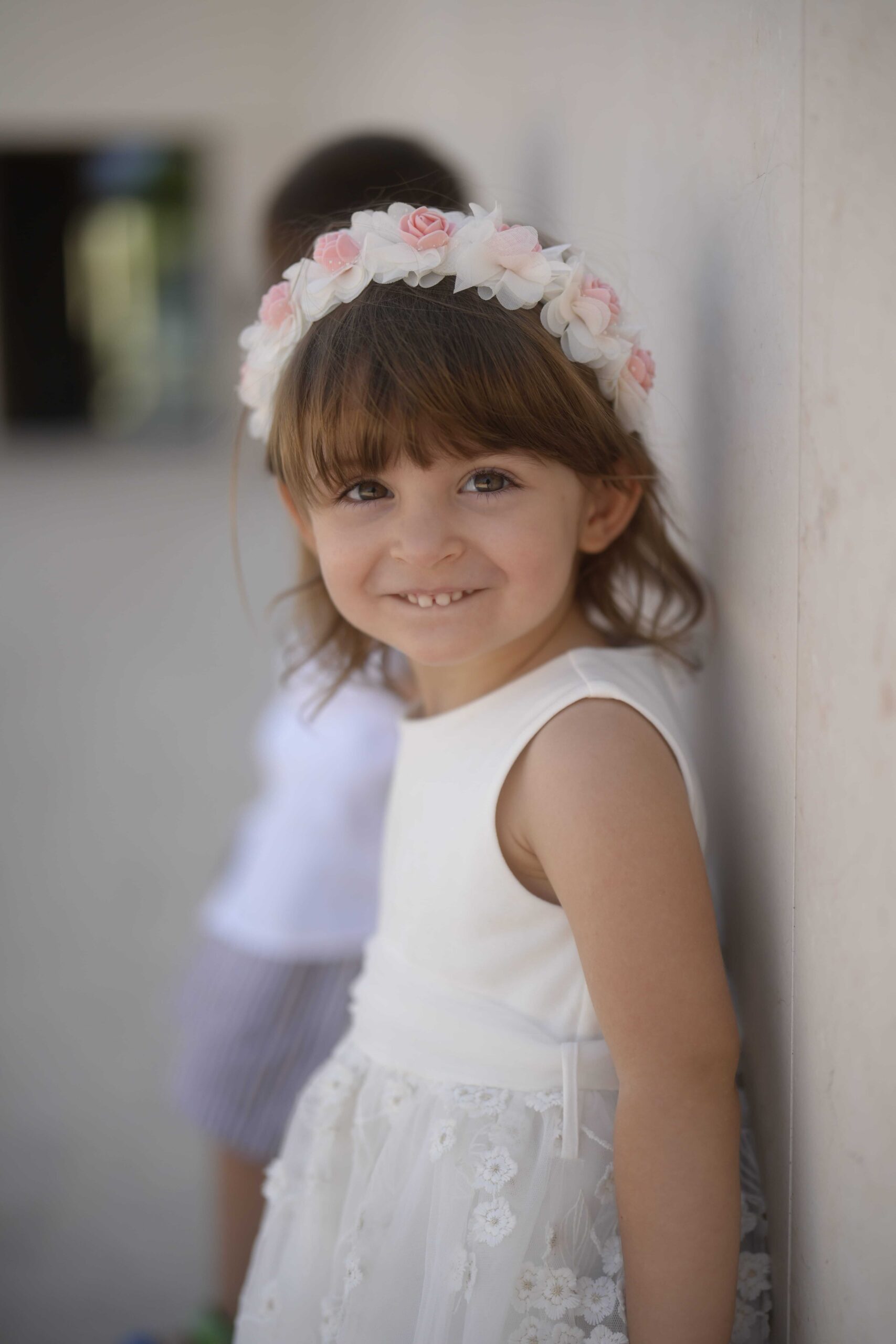
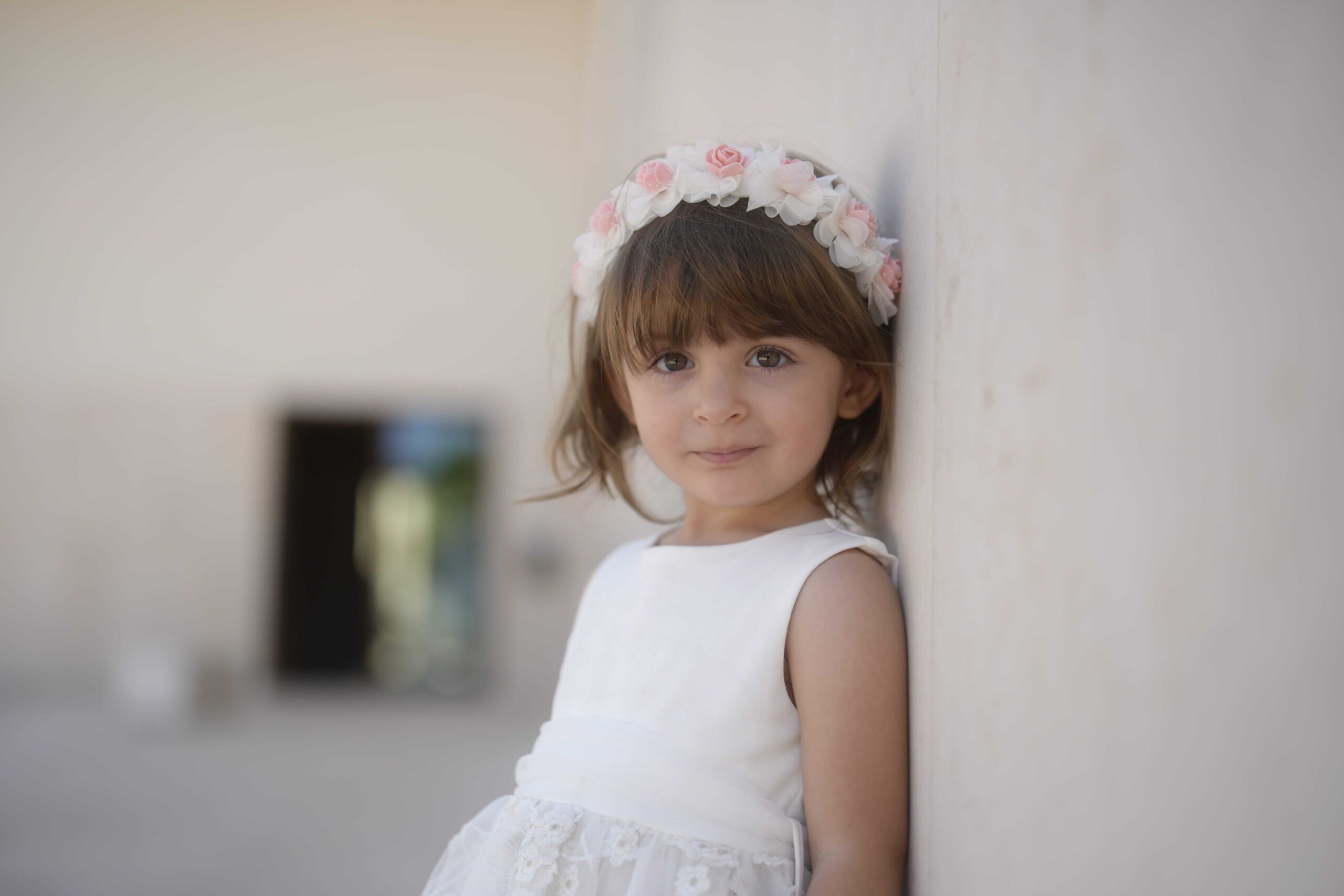
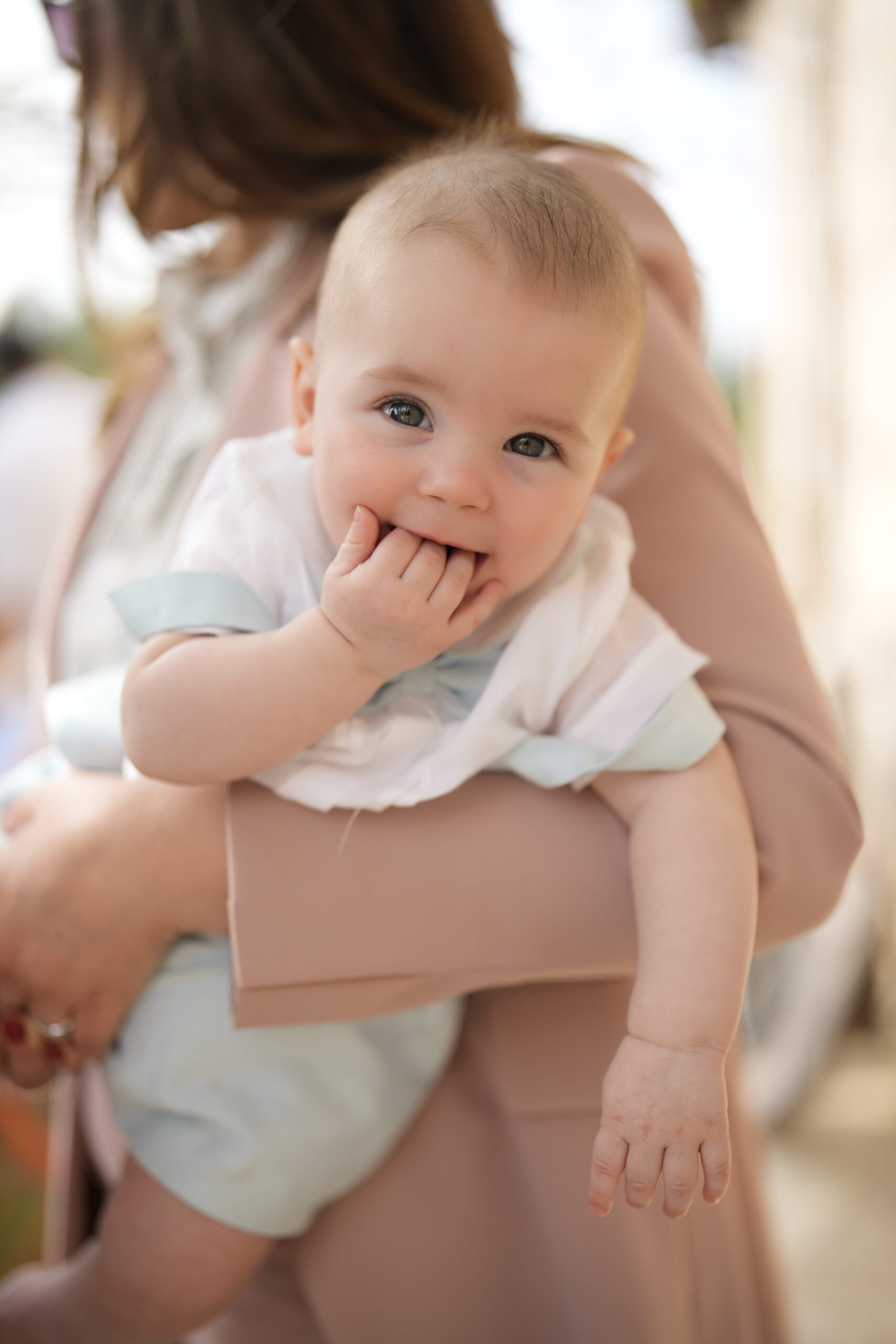
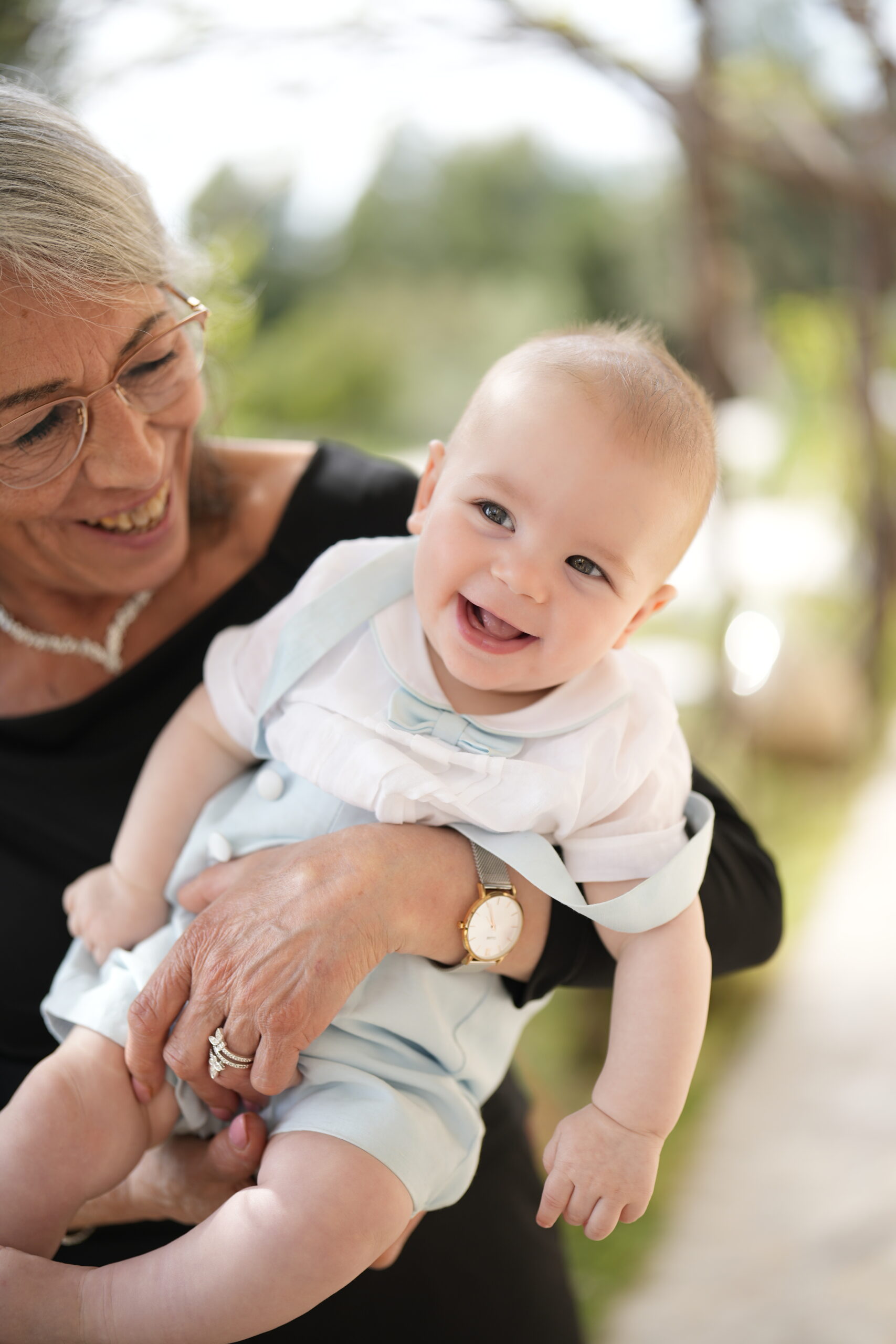
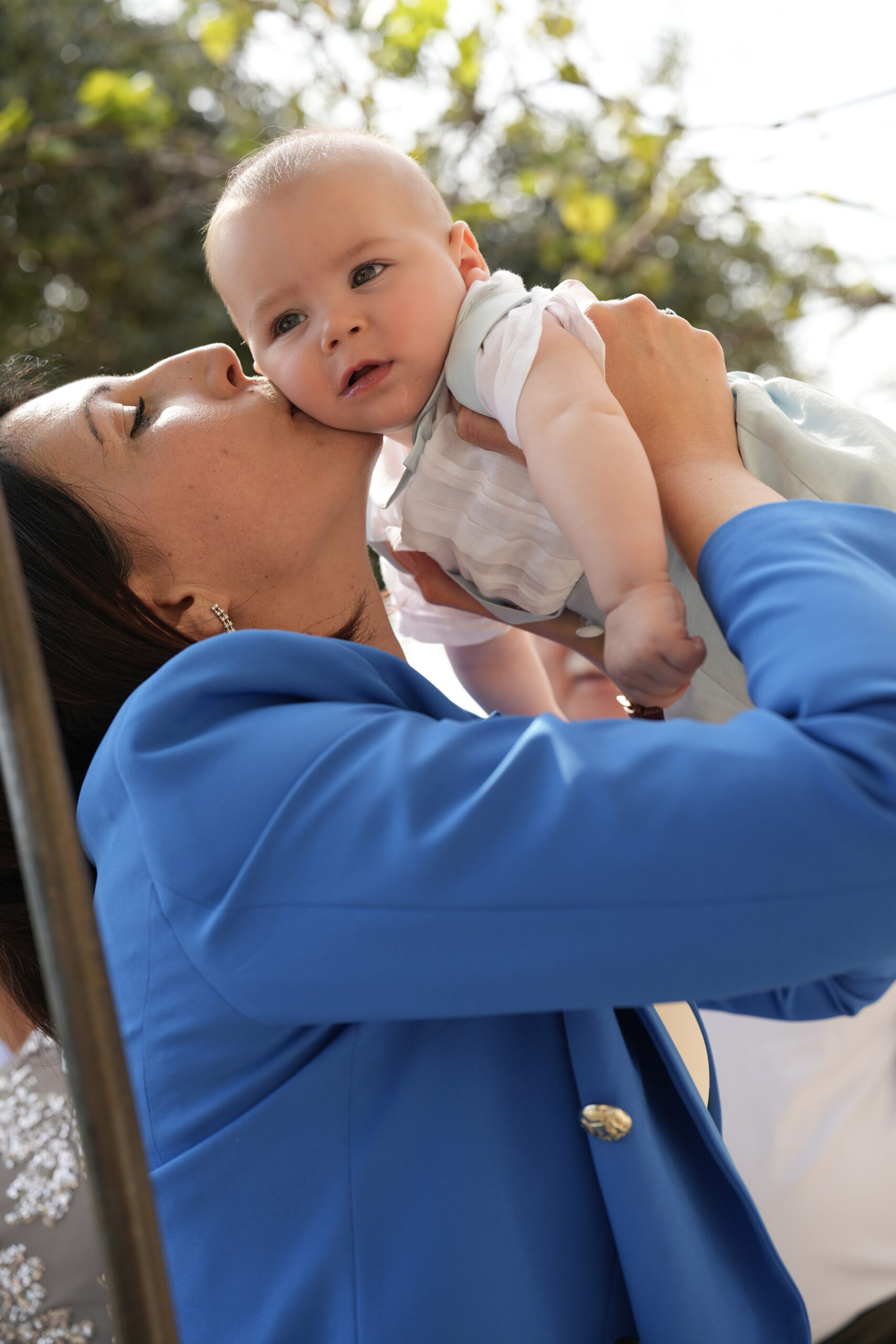

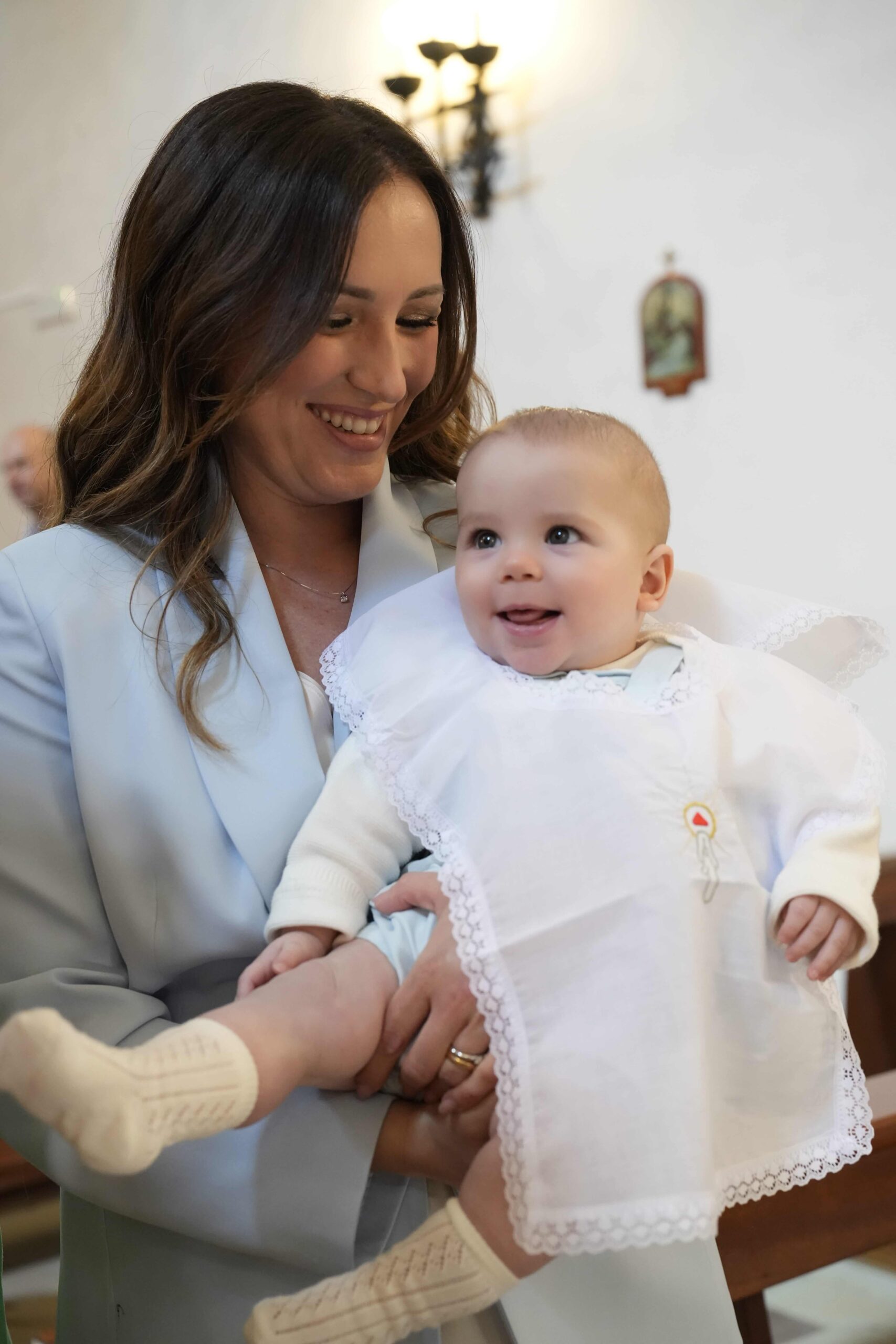
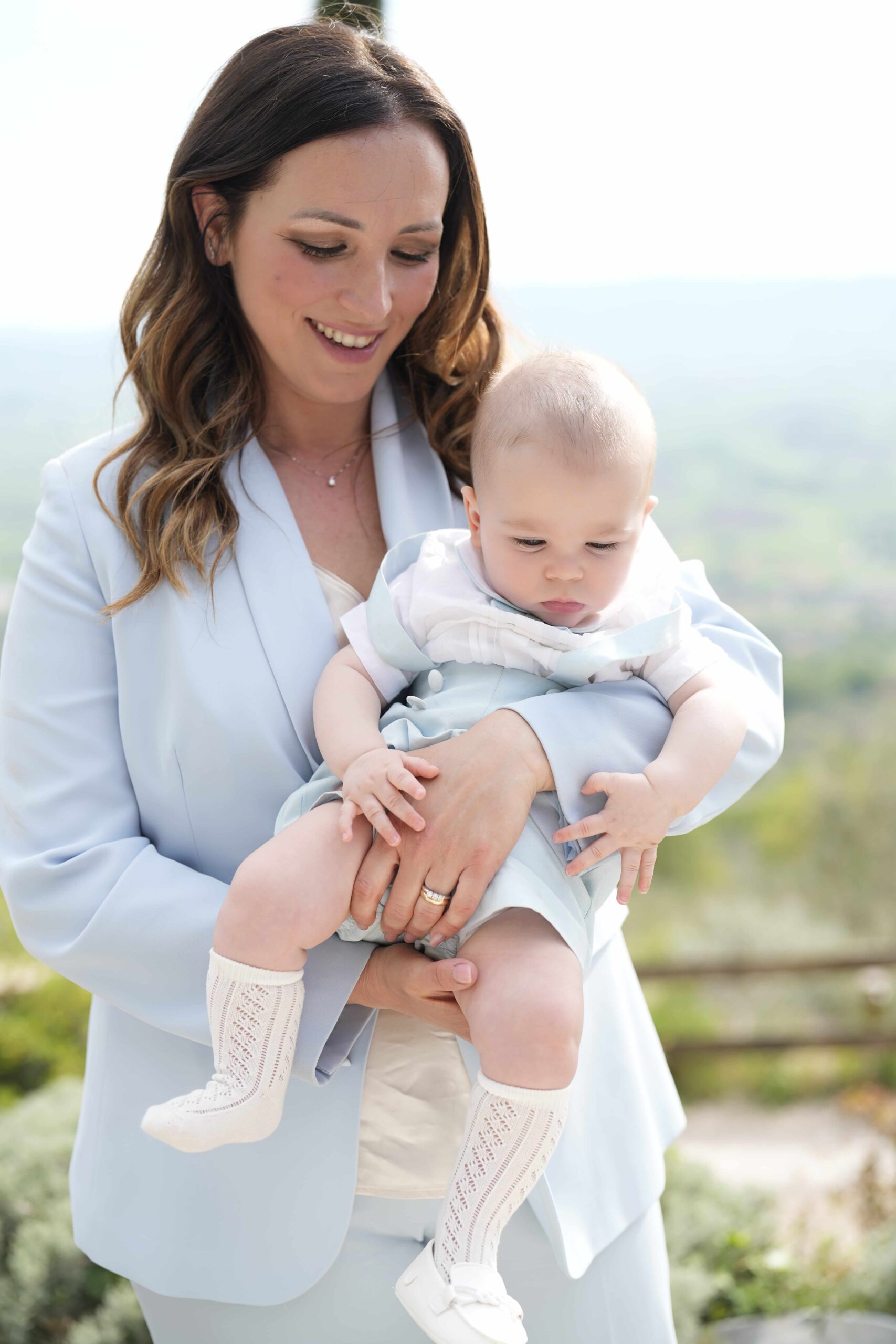
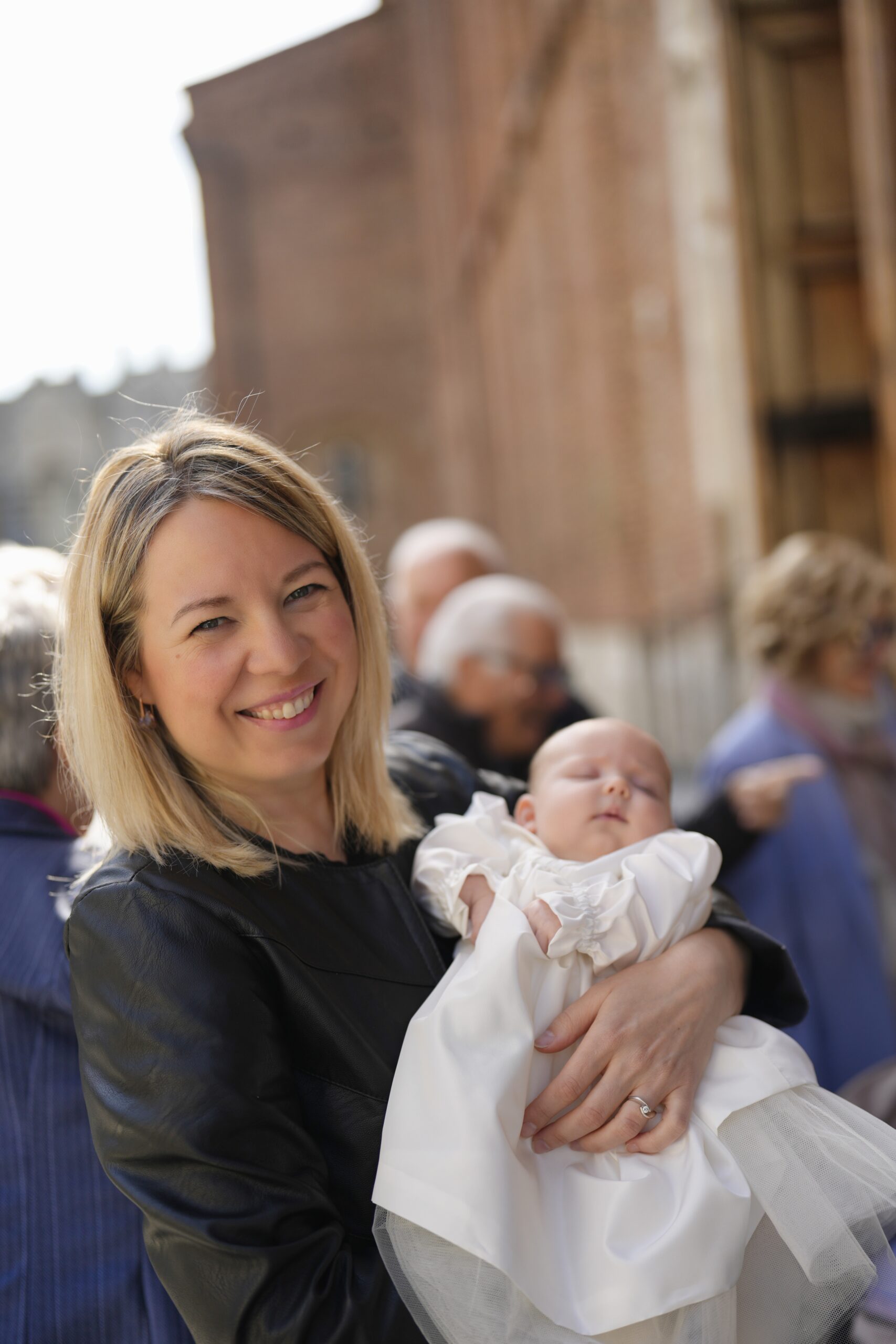
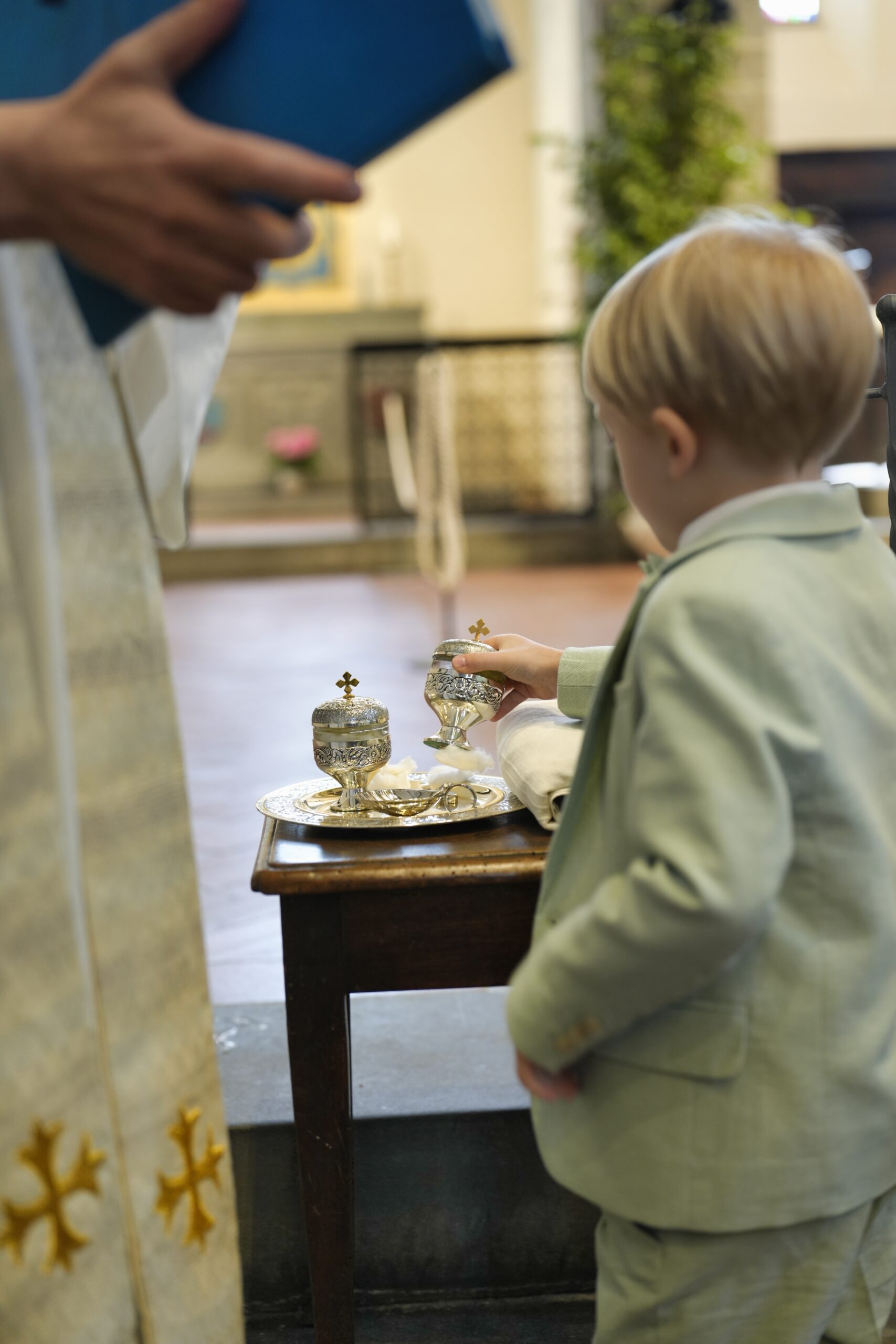
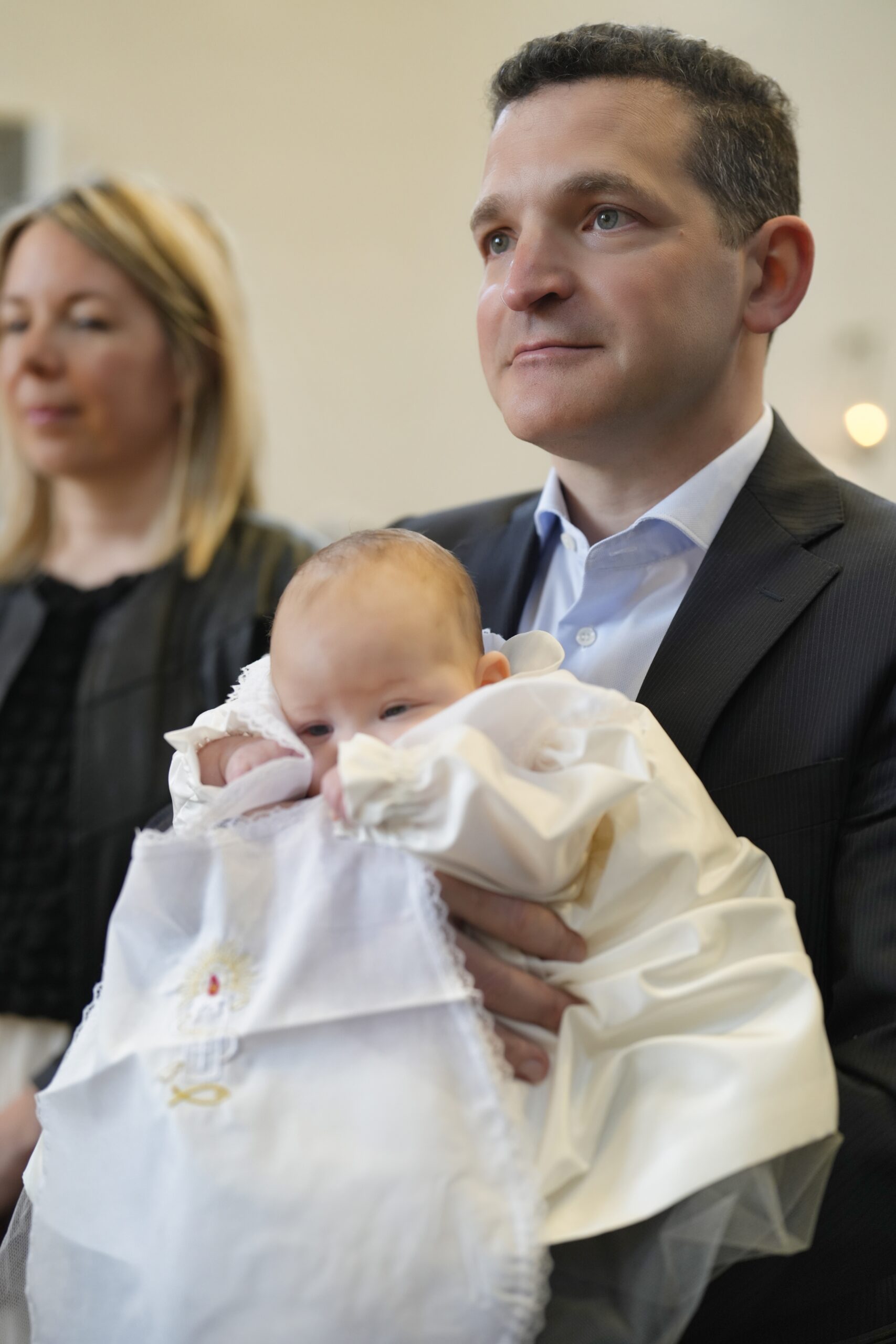
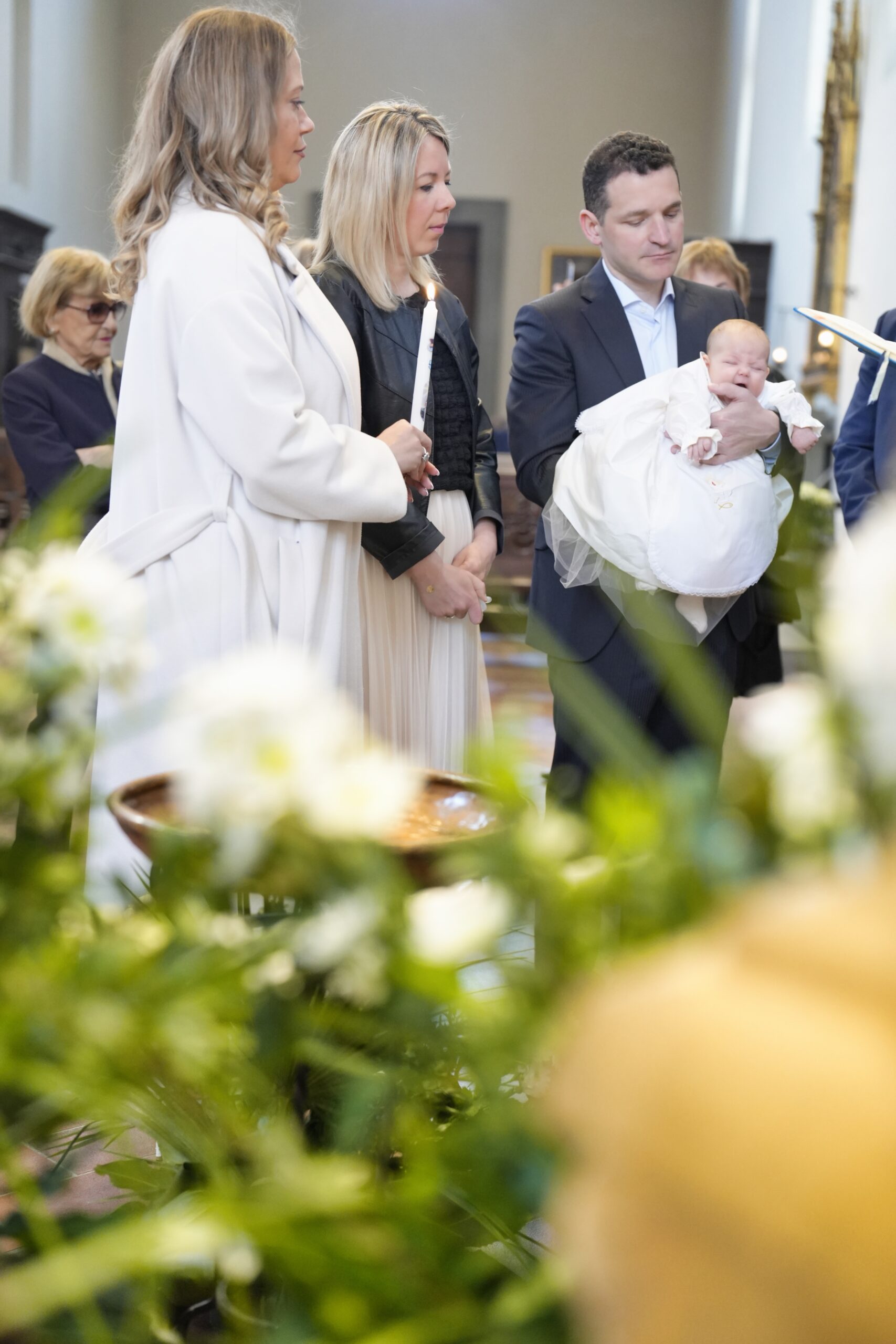
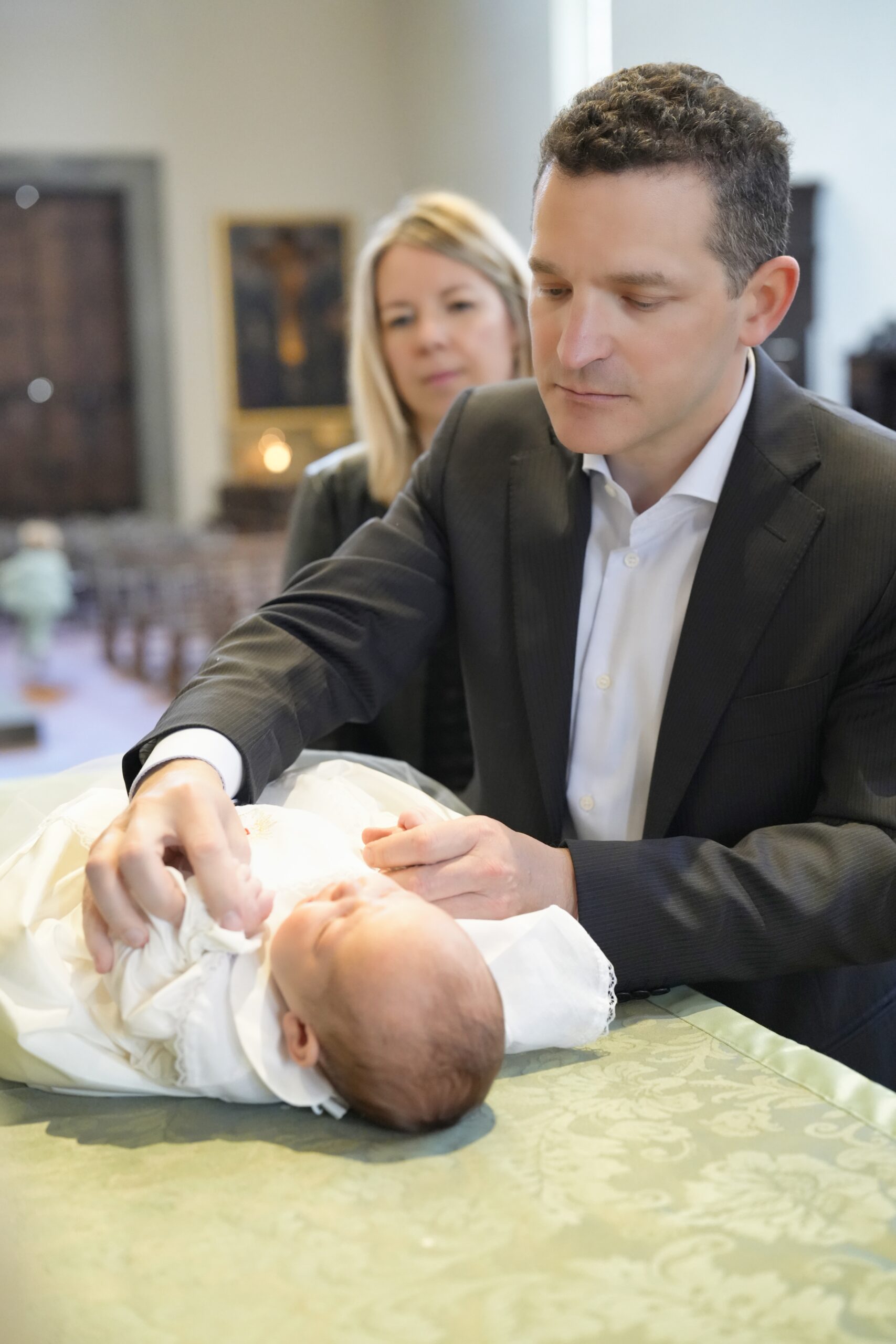
A christening is a short but eventful day. Barely an hour in church, just enough time to step outside and take a couple of photos in the churchyard, and then you’re already sitting down to eat. There are no second chances: the ceremony isn’t repeated, and the baby, almost without fail, is either asleep or crying at precisely the moment you’d like to capture.
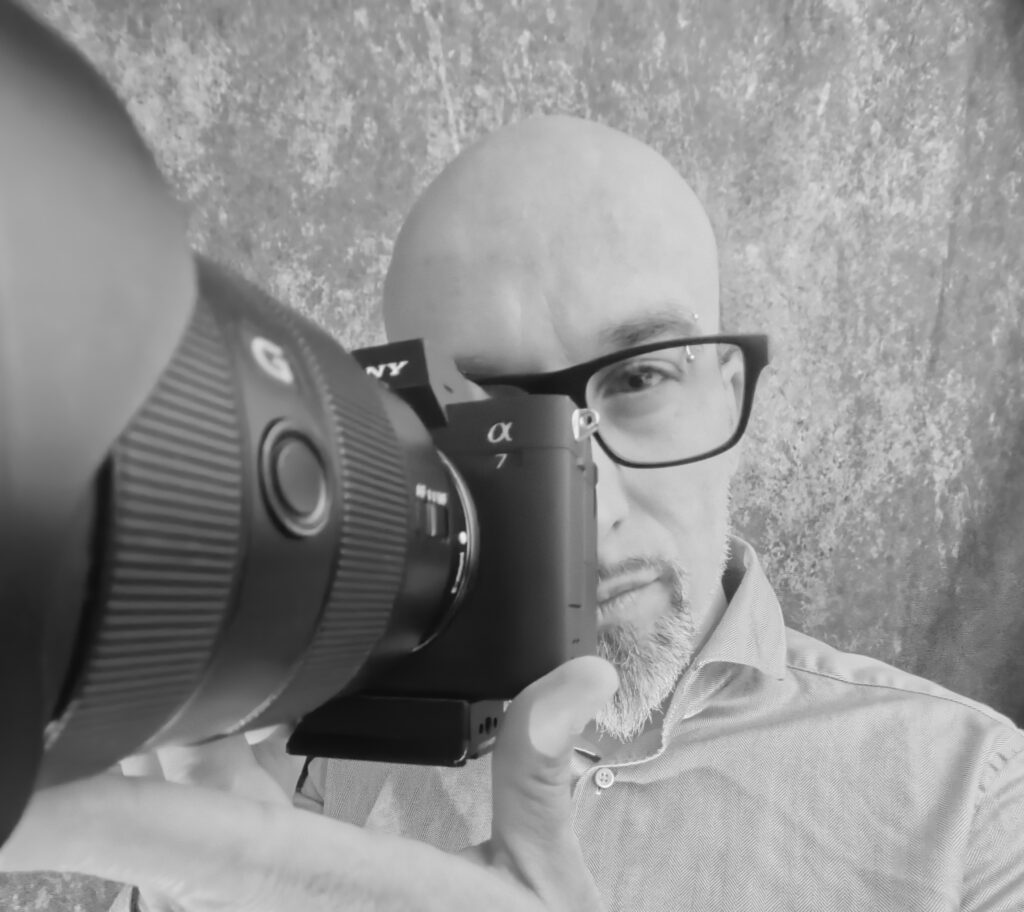
My name is Giovanni Papini and I’m a christening photographer throughout Tuscany. I work in a documentary style: during the service, I don’t move, I don’t use a flash and I don’t ask anyone to turn towards me. The real value of this service, however, lies not in the church but in the reception that follows, where relatives meet again after years apart, children are allowed to run free, and grandparents hold a grandchild for the very first time.
Alongside my photography, I shoot short video clips which capture the sounds of a day like this — the priest’s words, the names, the weeping — and not just the images.
The rules are set by the parish priest and should be clarified in advance, not on the day itself: some parishes allow people to move about freely, others specify a particular area, whilst others require people to remain in one place for the duration of the service. I find out in advance and follow the instructions I am given.
I never use a flash during the service. Tuscan churches, especially the older ones, have small windows and little natural light: you work with very fast lenses and camera bodies that can handle high ISO settings – which is exactly the situation for which that equipment is designed. It’s also the reason why a smartphone, in a parish church, produces images that nobody ever looks at.
The preparations at home, if you like: getting dressed, the godparents arriving, the hustle and bustle of the last half-hour. Arrival at the church and the welcome. The full ceremony, from the entrance rites to the anointing, from the water to the presentation of the white robe and the candle. The group photographs on the church steps as you leave, which are the only posed photos of the whole day. And the reception, which is usually the longest part.
I deliver the images via a private, password-protected online gallery, where they can be downloaded in full resolution. An initial selection will be available within 72 hours, with the full gallery following in the days after that.
Natural and unobtrusive. I don’t set up a studio, I don’t bring props, and I don’t stage photos of the child lying on a blanket surrounded by flowers: if that’s what you want, we can do it, but that’s not what I’m here to do. What I’m looking for are genuine expressions – which, with a newborn, last a fraction of a second, and with older children, come when they stop realising I’m there.
I do very little in post-production: lighting, colour, skin tones. No filters that will make those photographs look recognisably dated in ten years’ time.
Getting ready at home is the most intimate – and most underrated – part of the experience. It’s well worth doing, especially if there are older siblings: their reaction to all the excitement is often the best memory of the day.
I arrive early to work out where the light comes in and where I can stand without getting in the way. During the ceremony, I focus on the key moments — the sign of the cross on the forehead, the water, the lit candle — and the faces of those watching, which often reveal more than the gesture itself. As they leave, groups form: the immediate family, godparents, relatives, all together. Ten minutes, no more, because with a newborn, that’s all the time there is.
Whether it’s a restaurant, a villa or a private home: it makes little difference. I photograph the lunch, the toasts, the cake, the presents, and the children running off from the table. This is the part where people relax, and where you get the pictures that end up framed – far more so than those of the ceremony itself.
In private homes, lighting is almost always tricky — low ceilings, light fittings left on in broad daylight, curtains drawn — and this is one of the situations where you can really see the difference between professional equipment and run-of-the-mill gear.
Tuscany boasts a density of historic churches that few other regions can match, and this has two contrasting implications for baptism photographs: the buildings are magnificent, but they are also dark.
In Romanesque parish churches and medieval churches, there is very little natural light, and what there is comes from just one direction, often from behind the altar. In modern neighbourhood churches, the problem is the opposite: large windows and abundant light, but often cold and mixed with neon, which needs to be balanced so that a newborn’s skin tones do not appear grey.
When it comes to the party, the options are the same as for small-scale weddings: restaurants with gardens, farm stays, villas with outdoor spaces, or your own home. In the warmer months, a venue with a garden is almost always the best option, as it gives the children plenty of space to run about and provides natural light throughout the afternoon.
I work across all ten provinces. I’m based in Serravalle Pistoiese, so journeys to Pistoia, Prato, Florence and Lucca are short, and travel costs are not included in the quote.
In Florence, I photograph christenings, from churches in the historic centre to parishes in the surrounding towns. The city itself offers some truly remarkable venues — Santa Croce, San Lorenzo, the churches of the Oltrarno and San Niccolò — and there are just as many in the areas of Scandicci, Sesto Fiorentino, Campi Bisenzio, Empoli and Pontassieve, where the majority of baptisms for Florentine families take place.
In the basilicas in the city centre, the spaces are large and the baptismal fonts are often located in dimly lit side aisles: these are the situations where it is best to arrive a little earlier than usual to work out where to set up.
In Prato, the range extends from the Cathedral of Santo Stefano, with its pulpit and the Chapel of the Sacred Belt, to the modern churches in the residential neighbourhoods and outlying villages. These are two contexts that are photographically polar opposites, and the difference is particularly evident in the images of the ritual.
The province is compact: it’s usually only a few kilometres from the church to the restaurant, which means little time is wasted between one stage and the next, leaving more time actually spent taking photographs.
It’s my home region. From the Cathedral of San Zeno to the parishes of the Valdinievole and the Pistoia Apennines, I’m familiar with most of the churches where you might hold a service, and this means I know in advance what the lighting is like and where I can position myself.
Living locally also has a practical advantage: I can pop round to have a look at the church before the day of the christening without it adding to the budget, and when it comes to last-minute requests, I can actually be there.
In Lucca, the Cathedral of San Martino and the Romanesque churches in the town centre are amongst the most beautiful in the region, and are also amongst the darkest: dark stone, tall, narrow windows, and very little light reaching the baptismal font.
Across the province, from the Piana to Versilia and on to Garfagnana, the settings change completely. On the Versilia coast, celebrations are often held outdoors even in spring, something that is rarely possible inland before May.
In the province, I photograph christenings at the cathedrals of Massa and Carrara, as well as in the parish churches along the coast and in the Lunigiana, where the churches are small, ancient and have very little natural light.
The Apuan coast offers the perfect setting for an outdoor party with the Apuan Alps in the background: it’s a combination you won’t find anywhere else in Tuscany, and one that really stands out in group photographs.
In Pisa, you can visit places ranging from the Cathedral of Santa Maria Assunta to the parish churches in the neighbourhoods and towns across the province, from Cascina to Pontedera and all the way to the coast. The historic churches in the city centre are bathed in very directional light which, when used to good effect, produces images full of character.
Along the coast, between Marina di Pisa and Tirrenia, the festivities often take place at beach clubs and seaside restaurants: the light reflecting off the water is soft and fills in the shadows, creating one of the best conditions for photographing young children.
In Livorno, I photograph christenings from the city’s cathedral to the Sanctuary of Montenero – which remains the most popular choice amongst Livorno families – right through to the parish churches in the neighbourhoods and towns across the province.
The province stretches along the entire coastline as far as Val di Cornia: many families choose to hold their celebrations in town and then head to the seaside to mark the occasion, in which case it is worth factoring in travel time when planning the day.
In Arezzo, you can visit places ranging from the Basilica of St Francis to the Romanesque parish churches of the Casentino and Valdichiana. These parish churches are the most fascinating – and the most challenging – to photograph: they have tiny windows, dark interiors, and it is impossible to use a flash during the service.
For the celebration, the province offers farmhouses and rural holiday accommodation with spacious outdoor areas, which, from April to October, are the ideal choice for a christening with lots of children.
In Siena, the Duomo and the churches of the contrade lend baptism photographs a dimension that is found nowhere else: here, the ceremony is often linked to membership of a contrada, and those taking part are well aware of this.
In the province, the Romanesque parish churches of the Val d’Orcia and the Sienese Chianti are places of great beauty, with the surrounding countryside providing a backdrop for outdoor group photographs that is far more impressive than any staged setting.
Based in Grosseto, I photograph christenings from the Cathedral of San Lorenzo to the parishes in the city and the villages of the Maremma, right down to the coast. It is the largest province in Tuscany and the least densely populated, which means the celebrations are more peaceful.
For holidays, the Maremma offers farm stays with genuine open spaces, not man-made gardens: in the warmer months, this is the ideal solution, as children can spend the whole afternoon outdoors.
A video of a christening captures what photographs cannot: the priest’s voice as he pronounces the child’s name, the crying when the water is poured, the toasts at the table. These are the moments that families look back on most often years later, and which no photo album can contain.
I film using the same approach as when I take photographs: no staged scenes, no scripted interviews. I record the audio of the service using a dedicated microphone, because the acoustics in churches are almost always poor and the audio recorded by the camera from a distance is unusable.
The edit is short: two to four minutes, which is just the right length to ensure it’s actually watched. I also provide a vertical version for social media and, on request, the full recording of the ceremony as a separate file.
At a christening – which is an intimate event lasting just a few hours – I handle both tasks myself, alternating between them, without needing a second photographer. It is one of the few assignments where this can be done without compromising on quality, and this is reflected in the quote.
The video service is available in all ten provinces, with the same coverage as the photography service.
It depends on the duration of the coverage, how many stages you wish to include, and the distance involved. A service that covers only the ceremony and photographs in the churchyard takes two hours; one that starts with getting dressed at home and ends with the cake takes six. The video, if you wish to have one, is charged as a separate item.
It’s all itemised, with each item listed separately, so you can see exactly what you’re paying for. If I think you don’t need something you’ve asked for, I’ll let you know straight away: this often happens with nappy-changing cover when the baby is very young and things can be unpredictable.
It usually takes three or four weeks to arrange a christening. The exceptions are periods when parishes hold a concentration of ceremonies — the weeks after Easter and the months of May, June and September — when it is advisable to make arrangements two months in advance, as several christenings are held on the same day during those periods.
Whether the photographer is allowed to move around during the ceremony, and if so, where. Whether video recording is permitted. Whether there is a spot from which the ceremony will not be disturbed. These are three questions that take just thirty seconds to ask and help avoid misunderstandings on the day itself; it’s best for you to ask them when you’re finalising the date.
Christenings are often held at midday or in the early afternoon, which is the worst time of day in terms of natural light: the sun is directly overhead, casting harsh shadows on faces, and people end up squinting in group photographs taken in the churchyard. If you have a choice, the late afternoon yields much better results outdoors.
In spring and autumn, you can count on taking photos outdoors in soft light: these are the best times of year. In summer, the midday heat is a real problem for a newborn, so it’s best to move everything you can into the shade. In winter, the days are short and photos outside the church need to be taken straight after the service, as it’s already dark by half past four.
Bring one more change of clothes than you think you’ll need. Bear in mind that the baby might sleep through the whole ceremony, and that’s perfectly fine: photographs of a newborn sleeping during their christening are among the most beautiful you can take. And forget the idea that everyone will be looking at the camera in the group photo: with more than four children, that’s not going to happen – and that’s exactly what will make it so lovely in twenty years’ time.
The difficulty of a baptism is not technical in the strict sense: it lies in knowing what is about to happen. Anyone who has photographed many ceremonies knows that after the homily everyone moves towards the font, that the anointing comes before the water, and that the presentation of the candle is the moment when the godparents get emotional. Knowing the sequence means you’re already in the right spot rather than lagging behind.
The other half is discretion. A christening is a religious celebration, not a photo shoot with a ritual thrown in for good measure: anyone who forgets this stands out, and those taking part notice it before anyone else does.
Please let me know the date, the parish and where you’re holding the celebration, and tell me from what time you’d like me to be there. I’ll get back to you with my availability and a written quote, usually by the following day.
Request a quote → /contact-me/ · View the portfolio → /projects/
In which provinces of Tuscany do you photograph christenings?
All ten: Florence, Prato, Pistoia, Lucca, Massa-Carrara, Pisa, Livorno, Arezzo, Siena and Grosseto. I’m based in Serravalle Pistoiese, so travel to neighbouring provinces doesn’t affect the quote.
How far in advance do I need to book?
Three or four weeks are usually enough. In the weeks after Easter and during May, June and September, it’s best to book two months in advance, as parishes tend to schedule their celebrations at the same time and it’s not uncommon for several families to be looking for a photographer on the same day.
Is it allowed to take photographs during the ceremony?
It depends on the parish priest, and it’s the first thing you should ask when you’re agreeing on the date. Some parishes allow you a degree of flexibility, whilst others specify a fixed position. I go along with whatever is agreed and never use a flash during the service.
Churches are dark: will the photos still turn out well?
Yes. I use very fast lenses and camera bodies that perform well at high ISO settings, so I don’t need a flash. That’s exactly the sort of situation that this kit is designed for, and it’s also why nobody ever looks at the photos taken with a mobile phone in a village church.
Will you be covering the reception after the ceremony as well?
Yes, and that’s the part I’d advise against cutting out. The ceremony lasts an hour, but the party goes on all afternoon: that’s where you’ll find relatives you haven’t seen for years, children running free, and the expressions that end up in photographs.
Are you filming as well?
Yes. At a christening, I handle the photos and videos myself, switching between them, without needing a second cameraman: it’s an intimate occasion and it can be done without compromising on anything. The edit runs for two to four minutes, with the audio from the ceremony recorded using a dedicated microphone.
How long does it take for you to deliver the photographs?
An initial selection within 72 hours, so you’ll have something to send to your relatives straight away. The full gallery will be available in the following days, in a private, password-protected gallery, with full-resolution downloads.
What if the baby cries or sleeps the whole time?
It happens almost every time, and it’s to be expected. A newborn sleeping during their christening makes for some of the most beautiful images imaginable, and one who cries when the water is poured tells the story of that day better than any posed photograph. It’s not a problem to be solved: it’s simply part of the day.
Do you take group photos with all your relatives as well?
Yes, on the way out of the church. It’s the only time we’ll be posing for photos all day, and I keep it deliberately short – ten minutes at most – because with a newborn and several children, that’s all the time we’ve got.
Will the photographs be published?
Only with your written consent. The gallery is private and not indexed by search engines. As these are images of minors, this rule allows for no exceptions.
Because every photo should be unique. Let us make your day special. We’ll create a wonderful story.
 Italian Italian
 English Italian Italian English