11 November 2026
Businesses/Sport

- Home
- About me
- Services
Add memories of every moment
Giovanni PapiniTHE SERVICES I OFFER - Projects
- Print Online
- Contact me


Anyone who follows a team for a whole season knows that the most important match is almost never the only story worth telling: there are the training sessions, the official team photo at the start of the year, the moments on the bench, and the end-of-season awards ceremony. Organising photographic coverage of a sporting season means taking all of this into account as a whole, rather than booking a photographer on a match-by-match basis at the last minute. In this article, I explain how I go about it when a sports club asks me to cover them for a whole season, what needs to be planned before the season starts, how we move from team photos to match coverage, and why, ultimately, these same photos also prove useful for those supporting the team through sponsorship.
A sporting season has moments that recur and others that happen only once, and it’s worth distinguishing between them before you start: the official team photo at the start of the year, a few training sessions for social media content, the most important matches on the calendar, and the end-of-season awards ceremony or party. Planning these together – even if it’s just on a shared document – prevents you from realising in December that the official photo of a new signing who joined in October is missing.
Not all matches carry the same weight: a club already knows which are the head-to-head clashes, the finals, and the matchdays when it’s worth having a photographer on the pitch rather than making do with a few photos taken on a mobile by someone on the bench. Drawing up the schedule at the start of the season, rather than deciding on a match-by-match basis, also allows dates to be secured with greater flexibility and provides a clearer overall price compared to numerous individual assignments arranged at the last minute, when the diary is often already full.
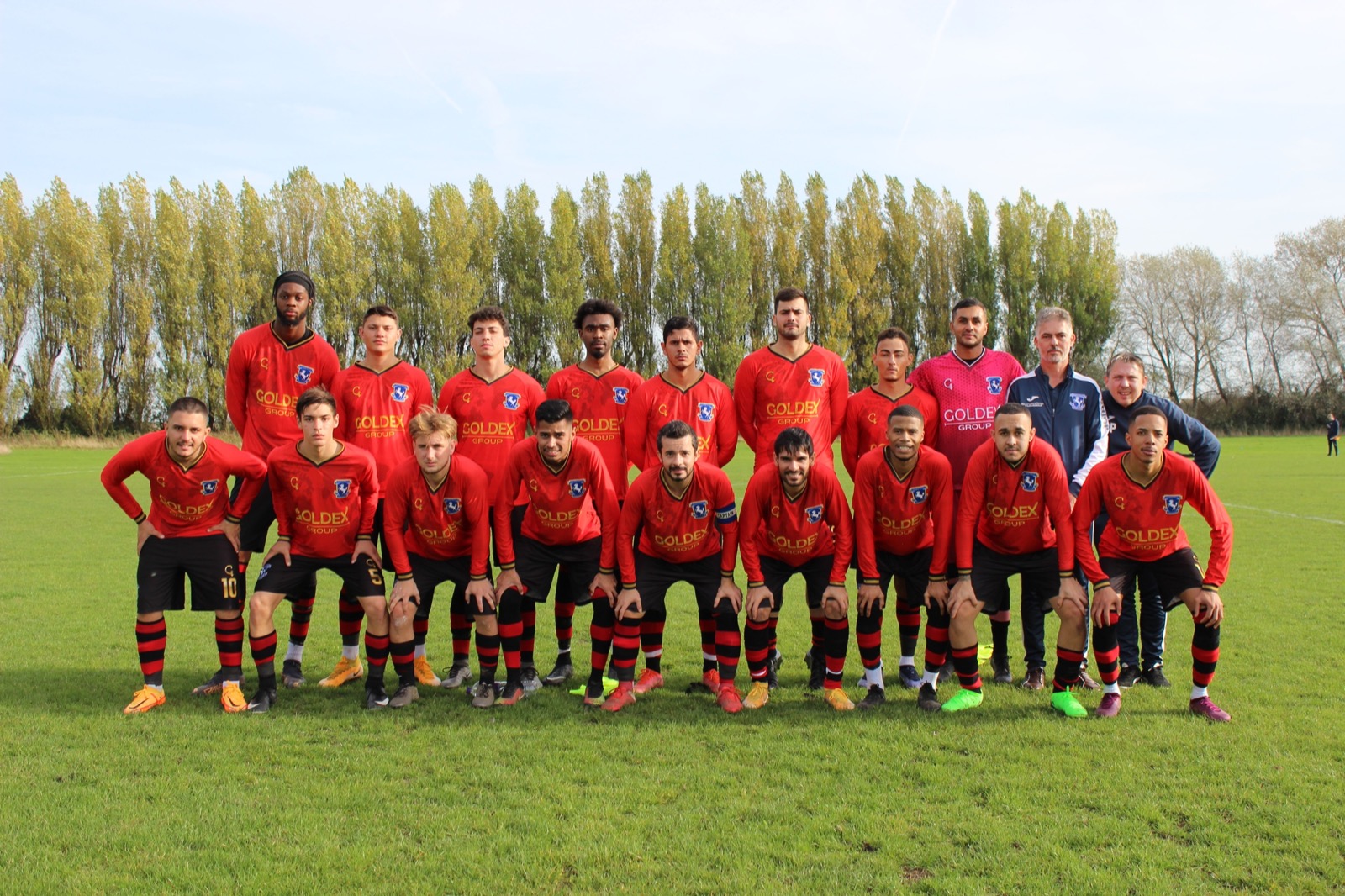
Would you like to help put together the season’s fixture list before the league starts? Drop me a line.
Working with a sports club is different from working with an individual client: dates change due to postponements, management teams consist of several people with different needs, and content is often needed at short notice for the team’s social media channels. That’s why, right from the first point of contact, I prefer to have a single point of contact to discuss the schedule and priorities with, rather than receiving scattered requests from several different people.
Having a single point of contact isn’t there to complicate matters, but to simplify them: they are the person who confirms dates, who knows what the club really needs (photos for the website, content for social media, material for sponsors) and who acts as a liaison with the coach, management and players when it’s necessary to organise the official photo shoot or arrange a different time for a training session. A written brief – even a short one – setting out the day’s schedule and priorities helps avoid misunderstandings about what needs to be photographed first when time is tight, as is almost always the case on match day.
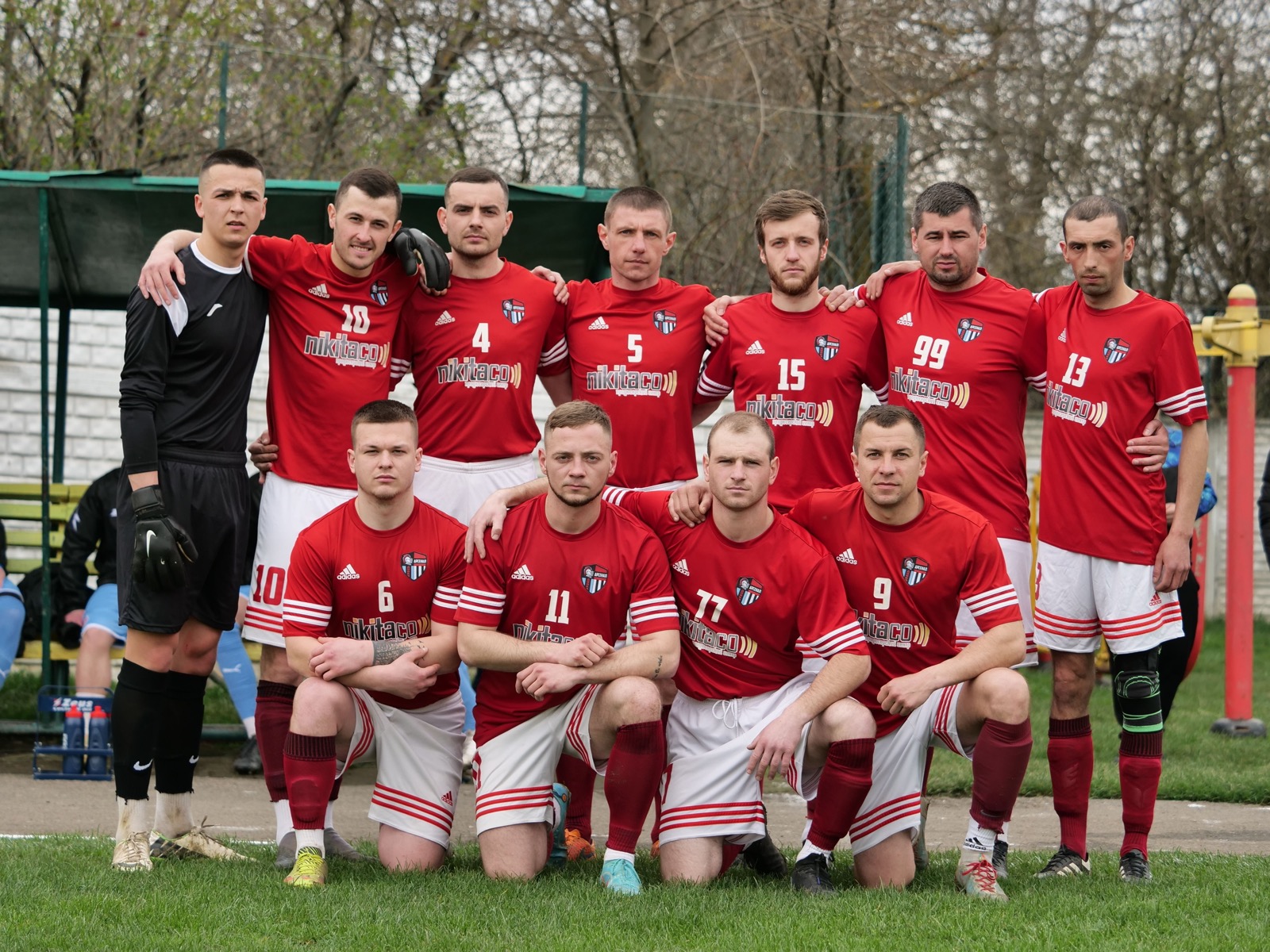
Have you already picked a team or sports club to follow this season? Let’s talk about how to organise it.
The official team photo is a different kind of shoot from match coverage, and requires a different approach: everyone poses, in the same lighting, with the same framing for each player, designed for use on websites, match programmes and printed material. Match coverage, on the other hand, follows the action: nobody is asked to stop or pose; the aim is to be in the right place at the right time, without getting in the way of the match or the referees.
Taken together, these two elements capture the season better than either one alone could: the official photograph provides the team with a consistent image to use throughout the year – on websites, posters and printed material – whilst the race coverage conveys the emotions that the photograph alone cannot capture. When it comes to social media content, speed is just as important as technical quality: delivering a selection of photos within a day of the race is often more useful than waiting a week for a more polished result that will be too late to publish whilst interest is still high.
If you’d like to see some examples of how I’ve covered other sporting seasons, take a look at my portfolio or find out how the sports photography service.
Covering a sporting season requires kit designed for action – different from what I use for a portrait or a wedding – and a delivery process that takes into account the tight turnaround times between one match and the next.
To capture the action from the touchline, you need cameras that can shoot quickly even in low light, and long-focus lenses that allow you to stay at a safe distance without losing the finer details of the game: a common mistake, for those who aren’t professionals, is to get too close and obstruct the match at precisely the decisive moments. The choice of lens also varies depending on the sport: for a football pitch or rugby pitch, you’ll need a longer telephoto lens than for a sports hall, where space is more confined and artificial lighting presents its own challenges.
After every match, a selection of the best photos is made available very quickly, specifically designed for those who need to publish content whilst interest in the match is still high: usually within 24–48 hours, in an online gallery from which files ready for the web and for print can be downloaded. As for the official team photo, which follows a different timeline as it requires more selection and retouching, delivery takes slightly longer, but is still timed to meet the deadlines for the club’s programme, website and printed materials.
Many sports clubs see the photographer merely as a way of capturing memories of the season, and forget that these very photos are also tangible material to offer to sponsors: a good photo with the logo clearly visible on the shirt, posted at the right time on the team’s social media, is worth more than many lines of text explaining the visibility they provide.

If the team has sponsors to promote, it’s worth mentioning this right from the initial brief: it helps in choosing the right shots during the match (logos on shirts, signage around the pitch) and in selecting, in the final delivery, a few shots specifically designed to be shared with the team’s supporters. It’s no different from the usual job; it’s just an extra consideration that’s decided beforehand, not after the photos have already been taken.
At the end of the season, a selection of the best photos compiled into a single document also serves as a concrete basis for renewing existing sponsorships or securing new ones for the following year: it provides tangible evidence of the visibility achieved during the championship, something that a simple written report struggles to convey as effectively.
Is it better to book a photographer for the whole season or on a match-by-match basis? Booking for the whole season gives you more flexibility when planning and a clearer overall price; booking race by race is fine if you don’t yet know exactly how many races you’ll need, but you risk finding there’s no availability on the most important days if you leave it until the last minute.
What happens if a match is postponed? This often happens in sport: the date is simply rescheduled, at no extra cost, as soon as the club announces the new date for the match.
Do you need accreditation to take photos at a match? It depends on the governing body and the level of the competition: for many amateur or youth matches, authorisation from the club is sufficient, whilst for more official competitions, press accreditation may be required, which the club itself must apply for in advance.
Can you take photos of training sessions as well, not just the competitions? Yes, and it’s often a good way to produce social media content that’s a bit different from the usual match photos: the lighting and atmosphere change, and you can also showcase moments from the team’s day-to-day work.
Who decides which photos are then published on the company’s social media channels? I provide a ready-to-use selection, but the decision on what to publish and when always rests with the company: the single point of contact I mentioned earlier takes care of this, often in collaboration with the social media manager.
Can the same photographer cover more than one sport if a club organises several? Yes, this often happens with multi-sport clubs that support several teams and cover several disciplines: in such cases, planning the calendar for all sections together – rather than just one – helps to spread the dates out more effectively and ensures that important matches in different sports do not clash on the same weekend.
How long before the start of the season should you get in touch with a photographer? It’s best to get started at least a month before the season begins: this gives you time to organise the official team photo, agree on the schedule for the most important matches and calmly set out your budget and priorities, rather than rushing to meet deadlines once the league has already started.
Are team photos also used on the website, not just on social media? Yes, and it is often these photos that are most overlooked: a website featuring up-to-date photos of the current squad, rather than images from a few seasons ago, conveys the impression of a well-run club even to those discovering it online for the first time – perhaps whilst looking for information before enrolling their son or daughter.
 Italian Italian
 English