2 November 2026
Wedding

- Home
- About me
-
Services
Add memories of every moment
Giovanni PapiniTHE SERVICES I OFFER - Projects
- Print Online
- Contact me


The venue is often the first thing you choose for a wedding, even before the photographer: that’s only natural, as it forms the backdrop to the whole day. But someone who has been photographing weddings throughout Tuscany for years looks at a villa or a farmhouse with a different eye to yours: not just how beautiful it is, but how it interacts with the light at different times of day, where the best spots for portraits are, and where the celebrations can unfold naturally without anyone having to pose. In this guide, you’ll find out how to assess a venue for photos, the most common types of venues in Tuscany province by province, and what changes if the wedding is outside the region.
A venue that works very well for catering and music does not always work quite as well for photography, and vice versa. It is worth considering it from both these perspectives before signing the contract with the venue’s management.
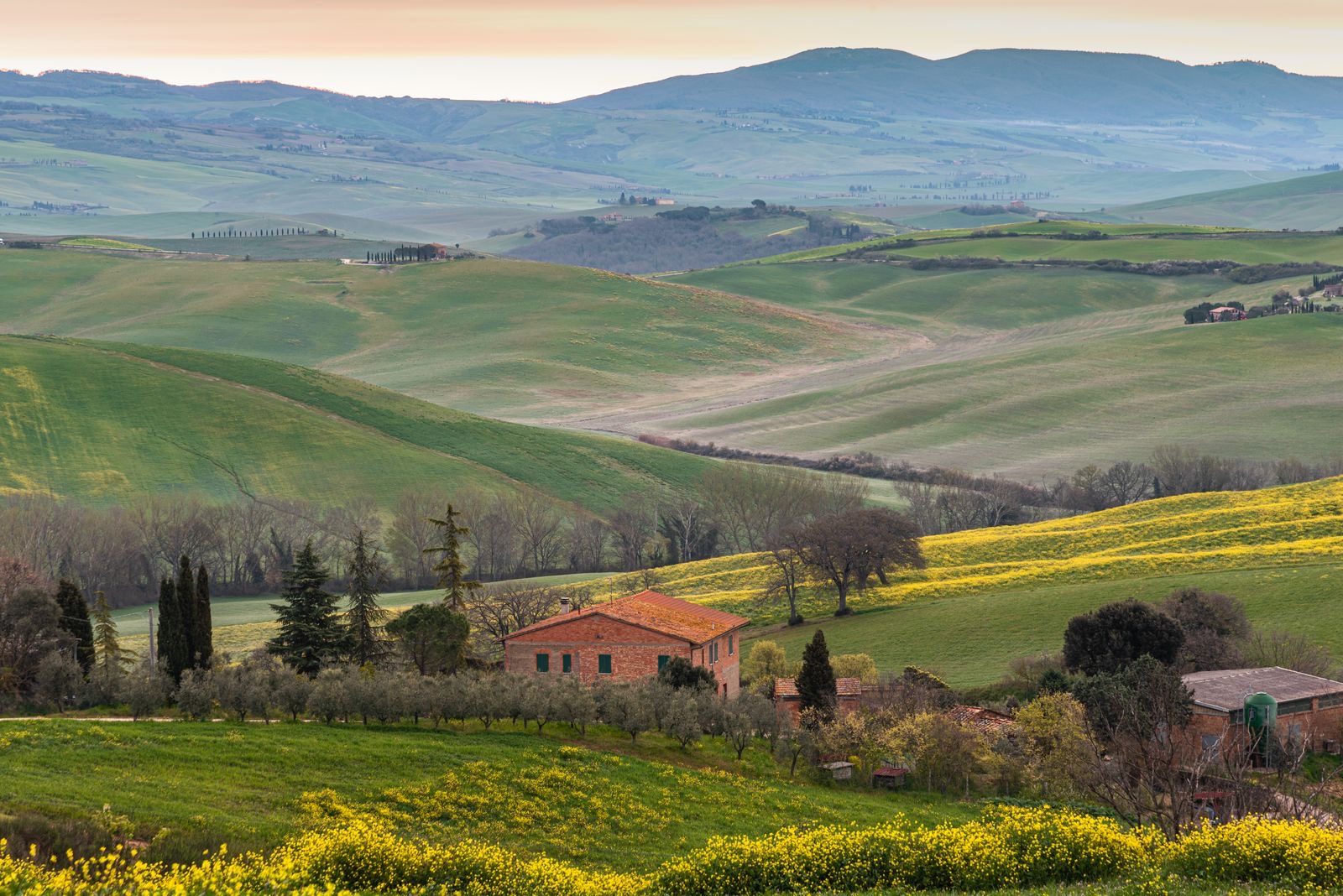
Light is the factor that, more than any other, determines how the photos will turn out, and it depends on the location’s orientation in relation to the sun as well as the time of the ceremony. A west-facing garden provides soft light in the late afternoon, perfect for portraits; the same venue at midday, in the height of summer, can cast harsh shadows that a good photographer knows how to manage, but which are best avoided when you can choose the time at your leisure, perhaps by moving the ceremony by as little as an hour from the original plan.
A good location for photos also features passageways: a footpath, a porch, a row of olive trees, a glimpse of the valley. You don’t need huge gardens; what you need is variety: changing the backdrop every now and then helps to capture the day without always repeating the same shot. At the same time, you need space to move around and take candid shots during the reception, without tables and chairs blocking every view and without corridors that are too narrow between the tables and the guests.
Have you already chosen the venue but aren’t sure how to make it look its best in the photos? Drop me a line – I’ll come and have a look round with you before the wedding day.
Over the course of twenty years of photographing weddings in Tuscany, I have captured historic villas, farm stays in the hills and isolated farmhouses in the countryside: every province has its own character, and it’s worth bearing this in mind before you start looking.
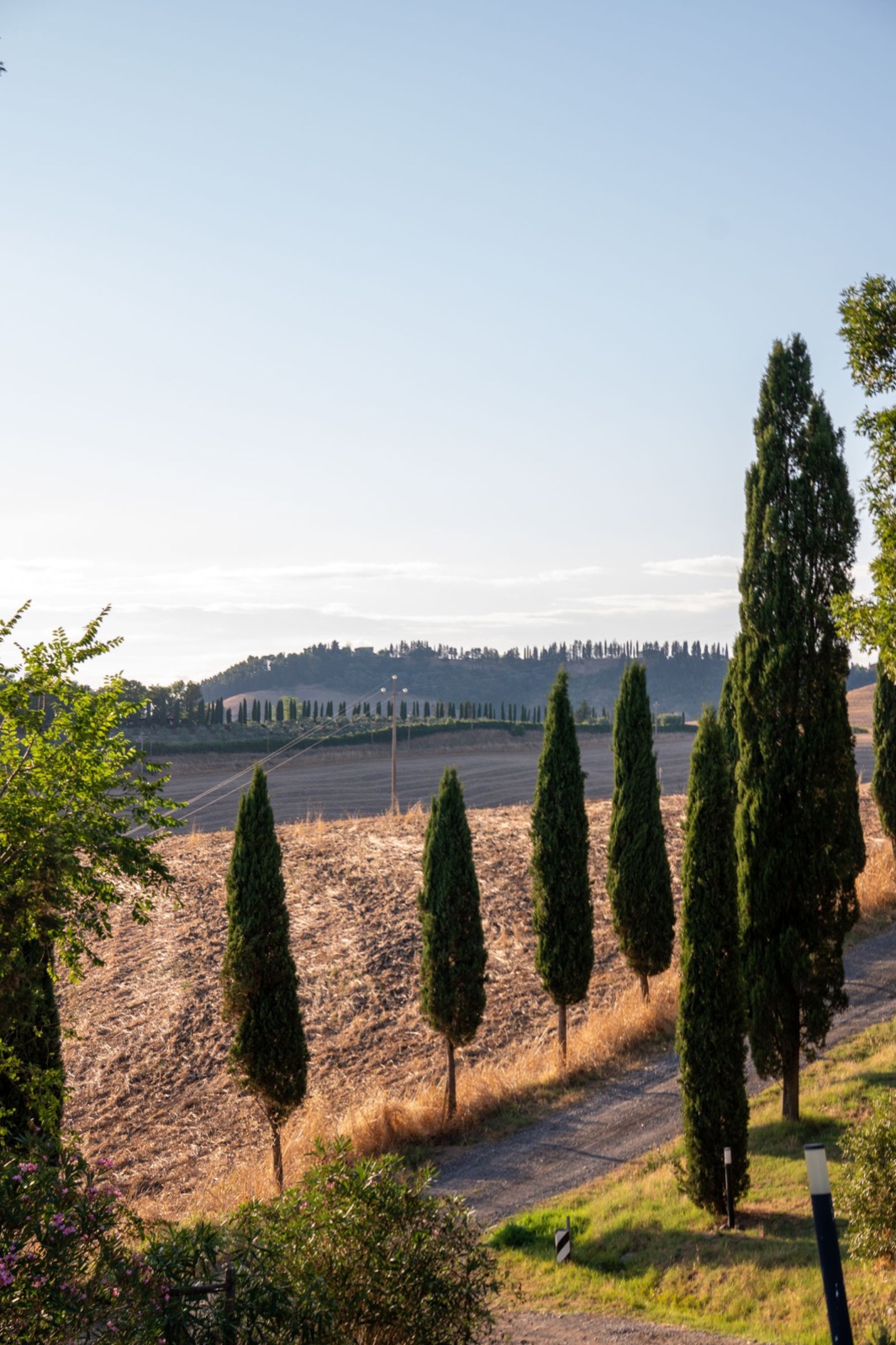
Florence and the Chianti hills are the area with the highest concentration of period villas and historic residences in Tuscany: Italian-style gardens, lemon houses and frescoes in the grand halls. These venues offer truly picturesque photo opportunities, but often have strict rules regarding opening hours and access for suppliers: they need to be organised a little further in advance than a simpler venue.
Lucca and Pistoia mainly offer farm stays and villas with more secluded gardens, nestled in the countryside amongst olive groves and vineyards. These venues are ideal for a more intimate wedding, with less travelling between the ceremony and the reception, and are therefore often easier to organise, even for those planning the event from outside the region.
Siena and the Val d’Orcia are synonymous with stone farmhouses overlooking the hills, cypress trees and dirt tracks: this is the most photographed part of Tuscany in the world, and not without reason. These locations are at their best in the hours before sunset, when the warm light brings out the colours of the countryside and makes extensive post-production almost unnecessary.
Would you like some advice on how we’ll use your venue during the shoot? Let’s discuss it before the wedding day.
I work in all ten provinces of Tuscany, and each area has its own typical locations and distances that need to be taken into account when drawing up a quote.
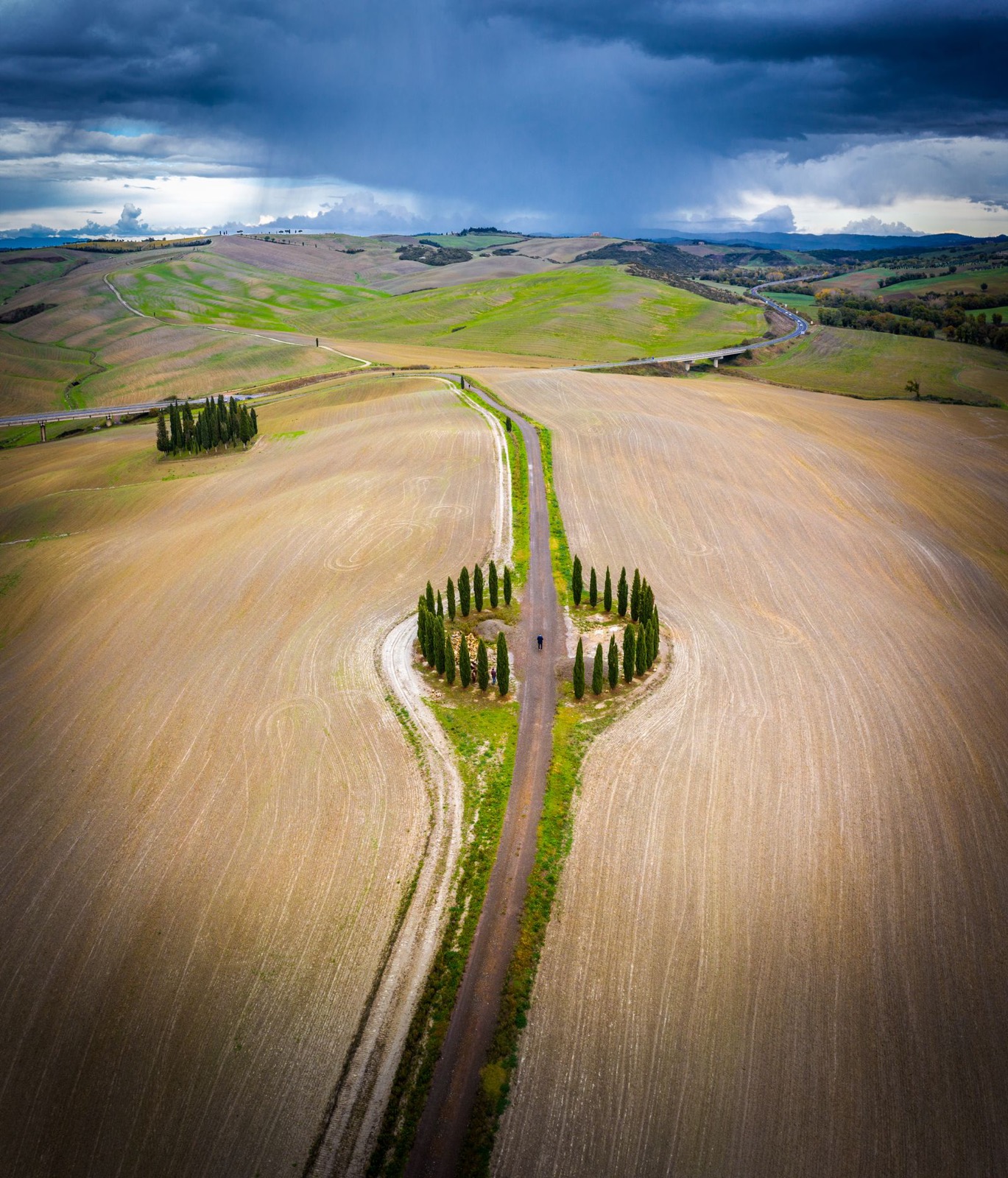
If you don’t live in Tuscany, choosing the right province can seem complicated: the difference is often less about aesthetics and more about logistics – in other words, how easy it is for you and your guests to get there, and how much time you have for travelling between the ceremony and the reception venue. It’s one of the first things I discuss with couples organising their wedding from outside the region, even before we talk about photography, because it affects how the day’s schedule is put together.
If you’re not sure where to start looking, just tell me the area and the style you’re after: I’ll suggest the most suitable counties.
Not all the weddings I photograph take place in Tuscany: I also travel to other locations for weddings, such as Lake Como, another area that operates on the same principle of light and location, albeit against a different backdrop, amongst lakeside villas and mountains reflected in the water. The same principle applies: first, you assess how the light and the spaces will work in the photographs; then you plan the day’s schedule around that.
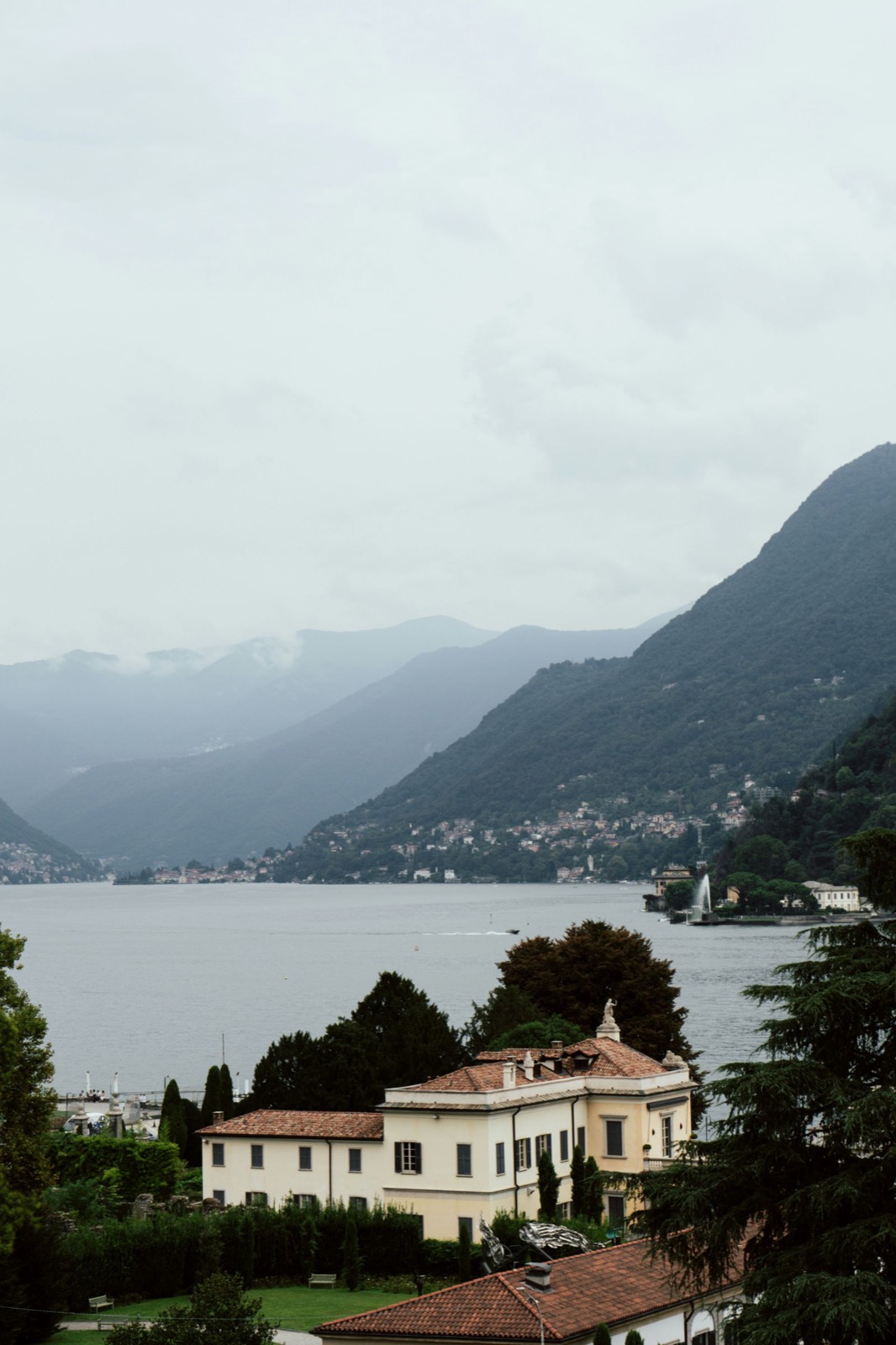
If you’ve already got a venue in mind, whether in Tuscany or on Lake Como, tell me about it: I’ll tell you how I’d photograph it. Wedding photographer in Tuscany.
Florence, Chianti, Lucca, Pistoia and Siena are the areas most often mentioned when it comes to weddings in Tuscany, but the other five provinces are just as good, especially for those looking for something a bit different from the classic farmhouse set amongst the cypress trees.
Massa-Carrara and the Pisa area offer a combination that is hard to find elsewhere in Tuscany: venues just a few minutes from the seaside in Versilia, or country houses with the Apuan Alps in the background. It’s an appealing option for those who want to experience Tuscany but aren’t necessarily looking for the hills, perhaps to make it easier for guests arriving from outside the region.
Livorno and Grosseto, along with the Maremma, offer very large country estates and seaside venues that are less crowded than the more touristy areas: for those looking for a spacious venue with few time constraints imposed by other events taking place on the same weekend, these areas are well worth considering, even if they are less frequently featured on social media.
Arezzo, situated between the Val di Chiana and the Casentino, remains the least frequently mentioned province in Tuscany in wedding guides, but for this very reason it offers venues that are just as beautiful, often at a more affordable price: stone farmhouses, less touristy villages, and the chance to book venues that elsewhere would already be fully booked during peak-season weekends.
Still not sure which province to start looking in? Tell me what you’re after and I’ll point out the most suitable areas.
How much does it cost to hire a villa or a farmhouse for a wedding in Tuscany? It varies greatly depending on the county, the size of the venue and the time of year: it is a separate item on the photographer’s quote, which you arrange directly with the venue manager or your wedding planner, if you have one.
Is it better to choose the venue before or after finding a photographer? There’s no set order, but having at least a rough idea of the location before speaking to the photographer helps to work out travel times and available light straight away, and to draw up a more accurate quote right from the first contact.
Is it better to choose a venue near where the bride and groom live, or can you choose anywhere in Tuscany? It depends on how many guests are coming from out of town: if most of them are travelling from a distance, a central, easily accessible venue often matters more than the county itself.
Are the most famous venues in Val d’Orcia always available to book, or is it better to book well in advance? The most popular and well-known venues need to be booked well in advance – often a year or more beforehand – particularly for weekends between May and September: if you already have a specific venue in mind, it’s worth getting in touch with them as soon as possible.
Can I change the venue at the last minute if the weather isn’t favourable? Many venues in Tuscany already have an indoor alternative in case of bad weather, such as a covered hall instead of the garden: this is one of the first things you should ask about when visiting a venue, precisely so that you don’t have to think about it at the last minute and risk having to improvise, perhaps on the day itself.
Is it a good idea to do a site visit with the photographer before the wedding? If the venue is unusual, or if I’m not already familiar with it from other shoots I’ve done in the area, even a brief site visit helps us both: I can work out where I’ll find the best light at the times you’ve chosen, and you can ask me straight away where I’d recommend taking the main portraits.
 Italian Italian
 English