5 November 2026
Companies/Profile

- Home
- About me
- Services
Add memories of every moment
Giovanni PapiniTHE SERVICES I OFFER - Projects
- Print Online
- Contact me


It happens all the time: a professional has a well-maintained website, a polished company presentation, an up-to-date LinkedIn profile — and then a profile photo snapped in a hurry on their mobile, perhaps cropped from a group photo. It’s the detail that catches the eye first and clashes most with everything else. I’ve been photographing corporate portraits and personal branding in Tuscany for years, for both individual professionals and corporate teams, and in this guide I’ll explain what really sets a professional portrait apart from just any old photo, where a good portrait is used, and how a personal branding session works.
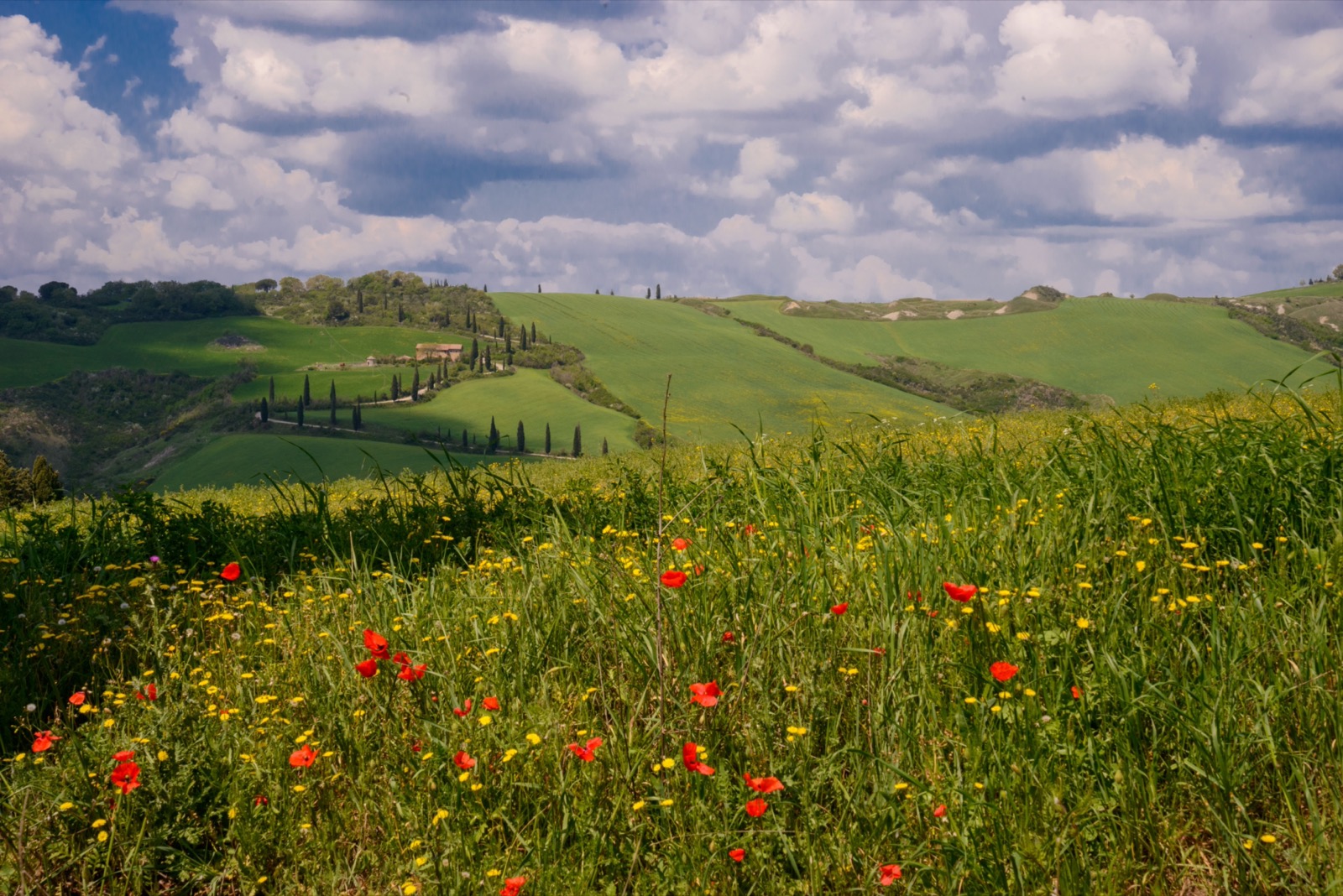
It’s not about having a better camera. It’s about control: over the lighting, the background, the pose, and what the image says about you even before anyone reads a single line of your profile.
A photo taken on a mobile phone – even a good one – almost always has harsh or mixed lighting (a window on one side, neon lights on the other) and a distracting background: a bookshelf, a door, a colleague walking past. In a professional portrait, the lighting is designed to contour the face without unflattering shadows, and the background is chosen — whether neutral, blurred, or consistent with the visual identity you use elsewhere — rather than being left to chance. The result isn’t “more attractive” in some vague sense: it’s more recognisable, especially at the small sizes at which most people view it – as a profile picture or an avatar in an email.
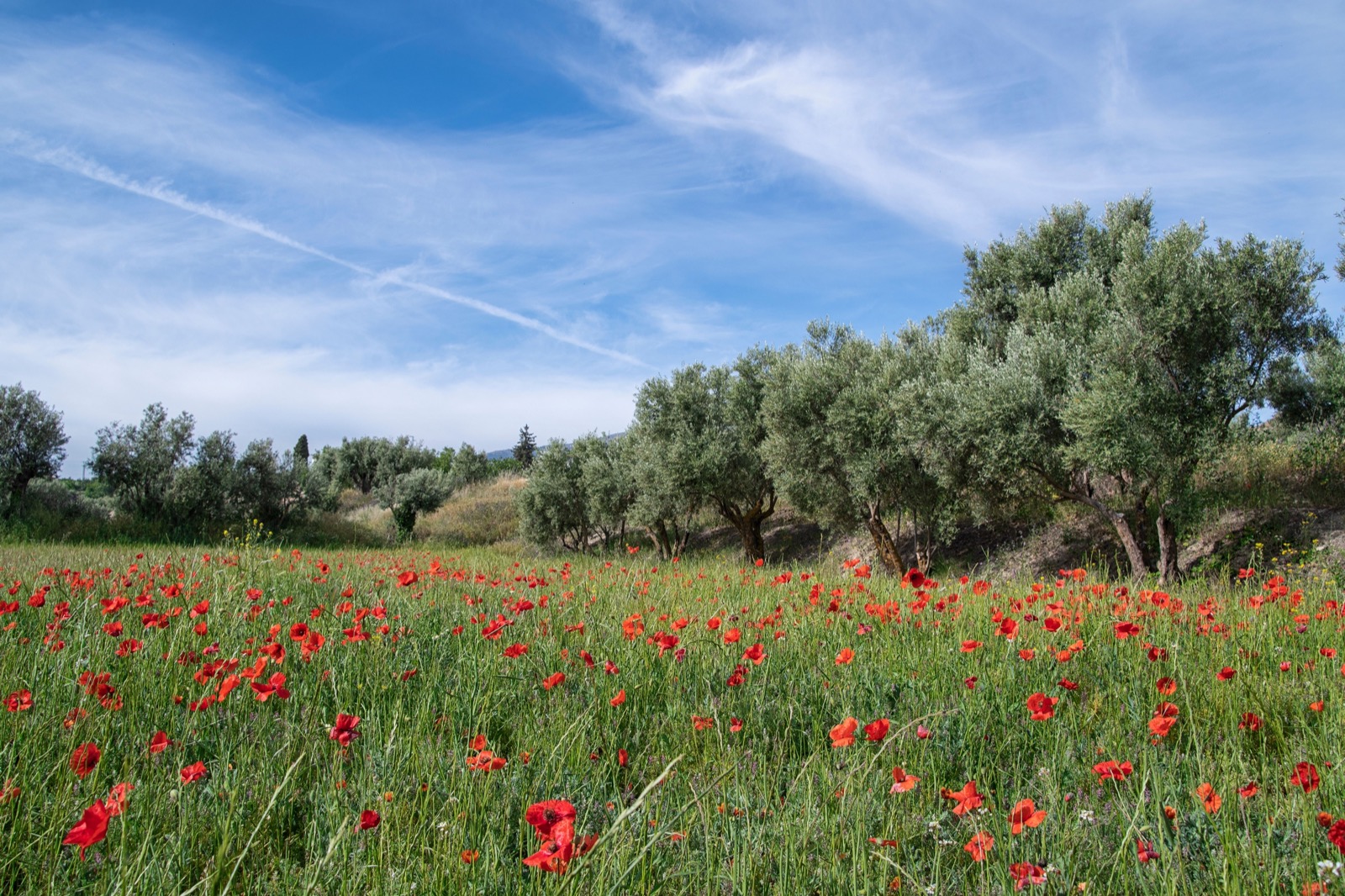
Many people reject the idea of a “professional portrait” because they picture stiff poses, forced smiles and fixed stares at the camera, like in an ID photo. That’s not how I work: the most effective poses are those that are slightly dynamic – a small movement, a natural stance, a glance to the side that then returns to the lens. All it takes is two or three simple instructions during the shoot to achieve something that looks spontaneous, even though, in reality, it is precisely directed.
A professional portrait isn’t a luxury you use once and then forget about: it turns up in more places than you might initially think.
LinkedIn remains the most obvious place, but it is not the only one: the “About Me” page on a website, the bio on an industry blog, or a profile on a professional platform. In all these cases, the photo is often the first thing a visitor looks at, even before reading the text, and they decide within a few seconds whether to carry on reading with confidence or scroll past.
The same portrait, set up properly from the outset (neutral background, good resolution, portrait and landscape formats), can be reused on business cards, email signatures, presentation slides and printed material, without having to retake the photo every time a new format is needed. This is one of the reasons why it’s worth having it done properly once, rather than settling for a different, spur-of-the-moment shot each time.
As well as serving as a static profile, a set of professional portraits provides useful material for the content that a company or professional publishes over time: team introduction posts, bylined articles, interviews and press releases. Having an archive of consistent photos, taken during the same session with the same lighting, means you don’t have to scramble for a new photo every time you need to publish something featuring a face, and it ensures a consistent image across all channels.
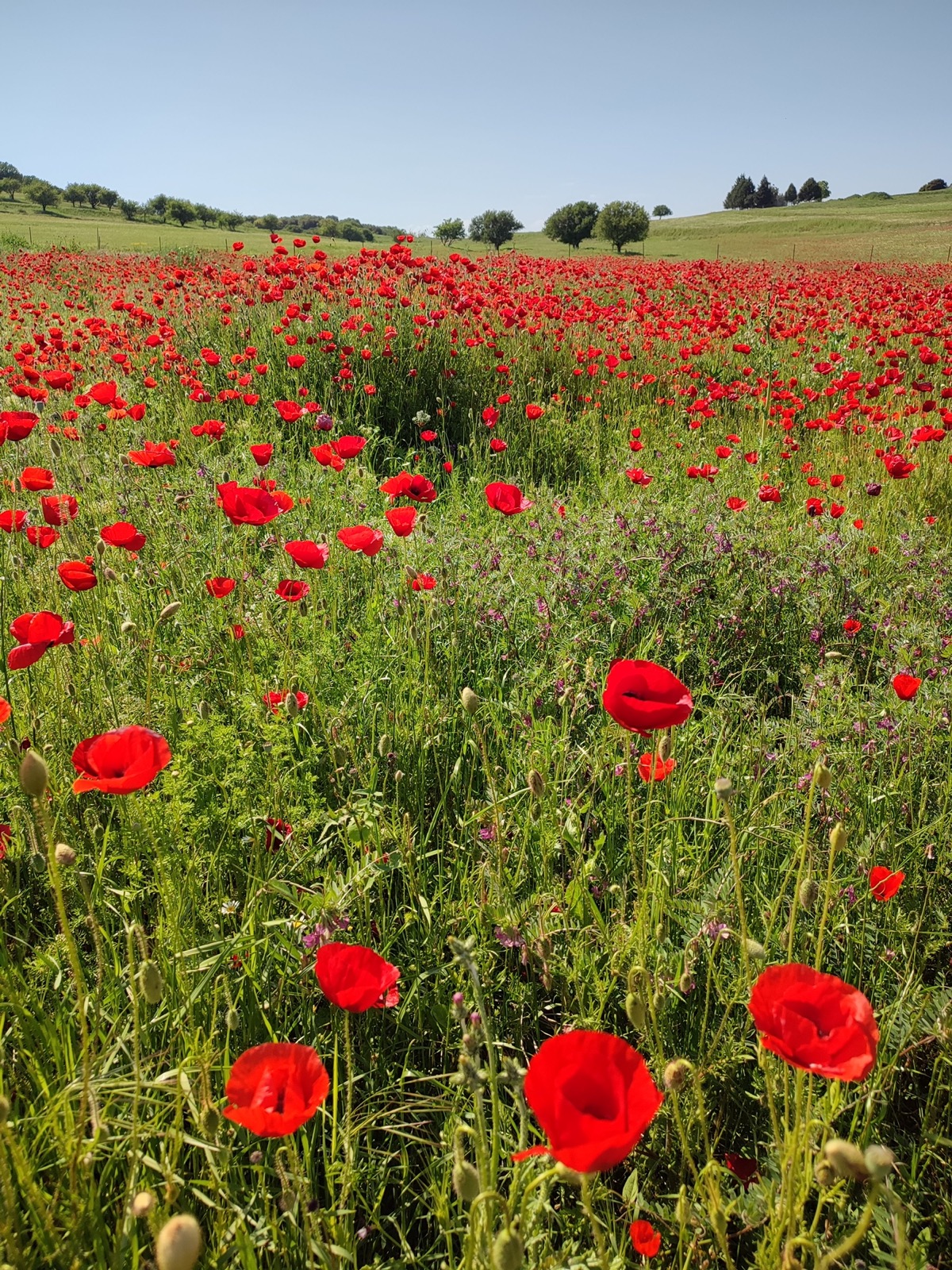
Would you like a portrait that works wherever you need it, without having to have it redone every time? Let’s talk about it.
A personal branding session is shorter and simpler than you might think: it doesn’t take a whole day, nor does it require elaborate make-up or outfits.
In a studio, you have complete control over the lighting and the background, and it’s the quickest option when all you need is a classic portrait. In the office, whether at your own desk or in communal areas, the result also conveys the working environment, which is useful for those who want more “substantive” images to use on social media, rather than just a simple profile picture. Outdoors, in an urban or natural setting, the portrait becomes more informal – a choice that’s becoming increasingly popular amongst freelancers and creatives. A session usually lasts between thirty minutes and an hour – just enough time to try out two or three different shots and a few variations in pose, without rushing but without wasting precious time during a working day either.
If you manage a team, the same principle applies to several people on a single organised day: you draw up a schedule of short sessions, one after the other, so that all the corporate portraits have the same lighting and the same style, ready for the website or the company’s communication materials. For a team of ten or fifteen people, a single morning in the office is almost always enough: set up a small set in a meeting room or a quiet corner, and each person comes in and out in a matter of minutes, without disrupting the day’s work.
For a single portrait, a few days’ notice is usually enough – just enough time to find a suitable slot. For a corporate session involving several people, it’s best to plan a couple of weeks in advance: you’ll need to coordinate everyone’s diaries, choose the right space in the office or decide whether to move to a studio, and agree on the style you want to achieve (more formal, more informal, with or without brand elements in the background).
Would you like to organise a photoshoot for your team or your business? Let me know how many people there are and where you’d prefer to do it. Photographer for corporate events in Tuscany.
There’s no need to buy a new outfit just for the occasion: you just need to choose carefully from what you already have to see what looks best in front of a camera.
Rich, deep colours — blue, dark green, burgundy — tend to work better than patterns or colours that are too light, which risk “washing out” in the photo or distracting from your face. A good rule of thumb is to choose what you usually wear when you want to make a good impression: there’s no need to come up with a different look just for the photo, otherwise it will be obvious that you’re not at ease. If the session is for a whole team, a useful tip is to agree in advance on a similar colour scheme for everyone, without going as far as a uniform: simply avoid having one person turn up in white and another in a bright print, to maintain visual consistency across the photos.
For most professional portraits, there’s no need for elaborate make-up or lengthy preparation: a few common-sense touches (tidy hair, a well-rested face) are enough, and the lighting – set specifically to flatter the subject – does the rest, without the need for heavy post-production corrections.
How long does a professional portrait session last? It usually takes between thirty minutes and an hour, depending on how many shots and different poses you want to try. For a team of several people, we organise a series of short sessions one after the other on the same day.
Do you need a professional make-up session before the shoot? It isn’t necessary: a neat yet natural everyday make-up look is perfectly fine. Anyone who wishes to can, of course, have their make-up done professionally, but it isn’t a prerequisite for a good result.
Can you create several different versions of the same portrait (portrait, landscape, with and without a smile)? Yes, and it’s actually recommended: having several shots from the same session allows you to choose the right frame for every purpose, from LinkedIn to your website and printed materials, without having to retake the shot each time.
How often should you have your portrait redone? There’s no set rule, but a good guideline is to update it whenever something significant changes — a new role, a change in look, or simply when a few years have passed since the last photo and you no longer quite recognise yourself in it.
Is a portrait taken in a studio or at the workplace better? It depends on what you want to convey: a studio shoot produces a cleaner, more versatile result suitable for a range of uses, whilst a workplace shoot also conveys the professional context. Many people choose to do both in the same session, to have more options.
Are personal branding portraits also useful for freelancers who don’t have an office? Yes, in fact they’re often even more useful: those who work on their own, without a team or a fixed office, have fewer natural opportunities to have their photograph taken, and a good portrait becomes the only consistent image to use wherever they appear online.
If you’re organising a larger corporate event — a conference, a convention or a team-building day — team portraits can be included as part of the same photography package, without the need for a separate session: I discuss this in the guide dedicated to corporate events photographer in Tuscany.
 Italian Italian
 English