5 November 2026
Baptism/Communion/Confirmation

- Home
- About me
- Services
Add memories of every moment
Giovanni PapiniTHE SERVICES I OFFER - Projects
- Print Online
- Contact me


Battesimo, comunione e cresima finiscono spesso tutti nella stessa casella generica: “foto per la chiesa”, come se fossero intercambiabili. Chi li fotografa da anni sa che non potrebbero essere più diversi tra loro. Cambia l’età di chi è al centro della cerimonia, cambia quanto dura il rito, cambia quanto si può e non si può muoversi in chiesa, e cambia persino cosa vale la pena fotografare oltre alla cerimonia stessa. In questa guida vedo le differenze una per una, pensando a cosa serve sapere prima di scegliere il fotografo giusto per ciascuna occasione.
Lavorare a un battesimo, a una comunione e a una cresima richiede tre modi di muoversi diversi, perché il soggetto principale ha un’età, un’attenzione e un ruolo completamente diversi nei tre casi.
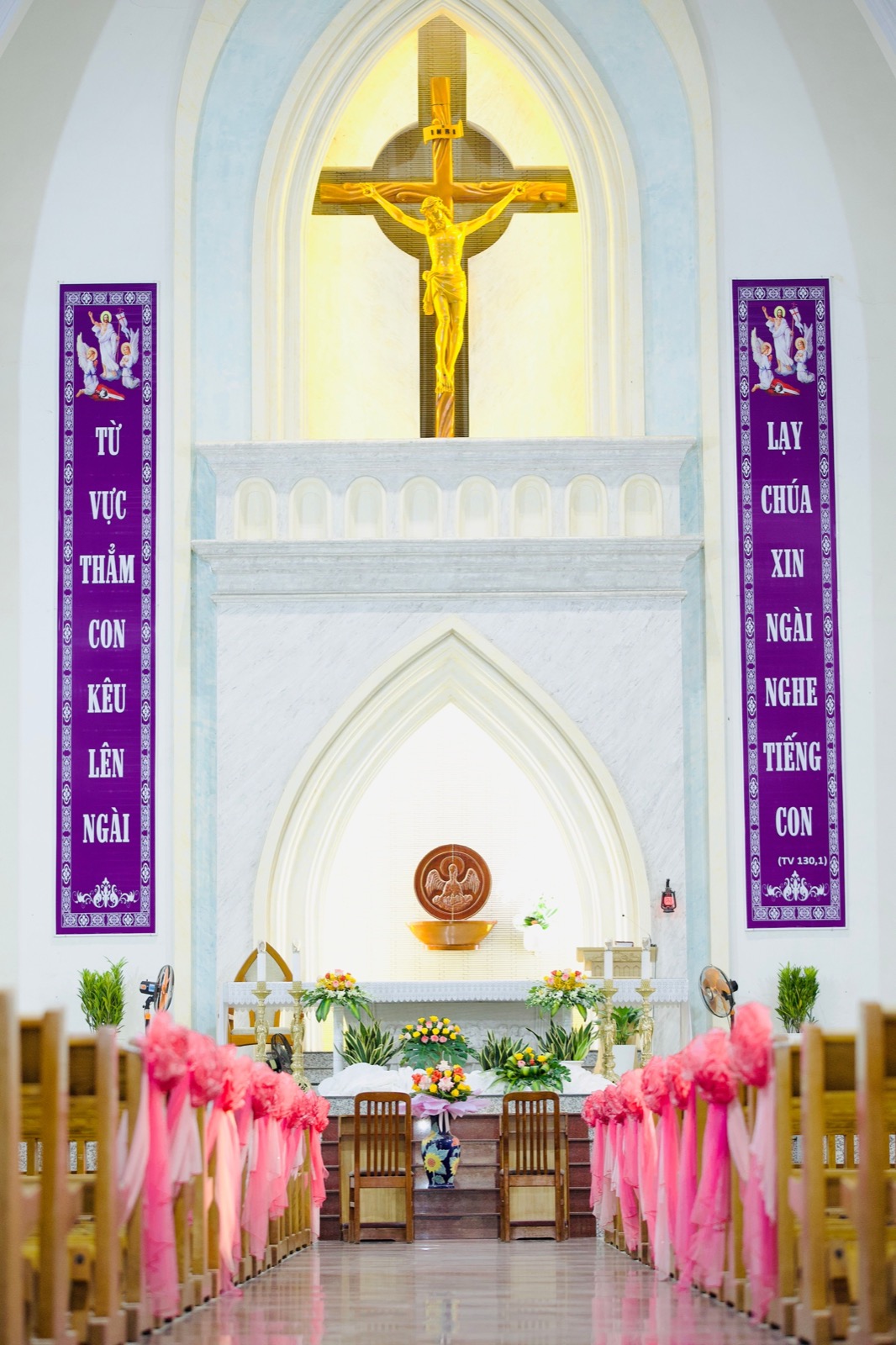
Nel battesimo il protagonista ha pochi mesi e non partecipa attivamente al rito: il momento che conta davvero, il versamento dell’acqua e il segno della croce, dura pochi secondi ed è irripetibile. Il fotografo deve essere già nel punto giusto prima che accada, in reportage e senza flash, perché non c’è un secondo tentativo. Attorno al rito centrale ci sono pochi altri momenti fotografabili in chiesa: il resto della giornata si racconta soprattutto alla festa.
Nella comunione il bambino ha intorno agli otto o nove anni e, a differenza del battesimo, partecipa attivamente al rito: cammina in processione, riceve l’ostia, segue le preghiere insieme agli altri compagni. Questo significa più momenti da seguire in chiesa, più inquadrature possibili, e anche più attenzione da parte del bambino, che spesso guarda verso la macchina fotografica, cosa che in un neonato semplicemente non succede. È anche il rito in cui contano di più i dettagli preparati con cura: il vestito, la candela decorata, il libretto della messa.
At a confirmation ceremony, the focus is on a teenager, and with teenagers, forced poses almost always produce the opposite result to what is hoped for: awkwardness, fake smiles, and a desire to get it over with quickly. Here, unobtrusive documentary-style photography works much better than staged group photos: you follow the boy or girl throughout the ceremony and let the rest happen naturally, stepping in only for the family portraits – which remain a classic that’s almost always requested.
Have you already decided on a date? Tell me which of the three ceremonies you’re organising and I’ll tell you how I’d photograph it.
The duration of the ceremony also varies considerably between the three cases, and with it, the length of cover it makes sense to book.
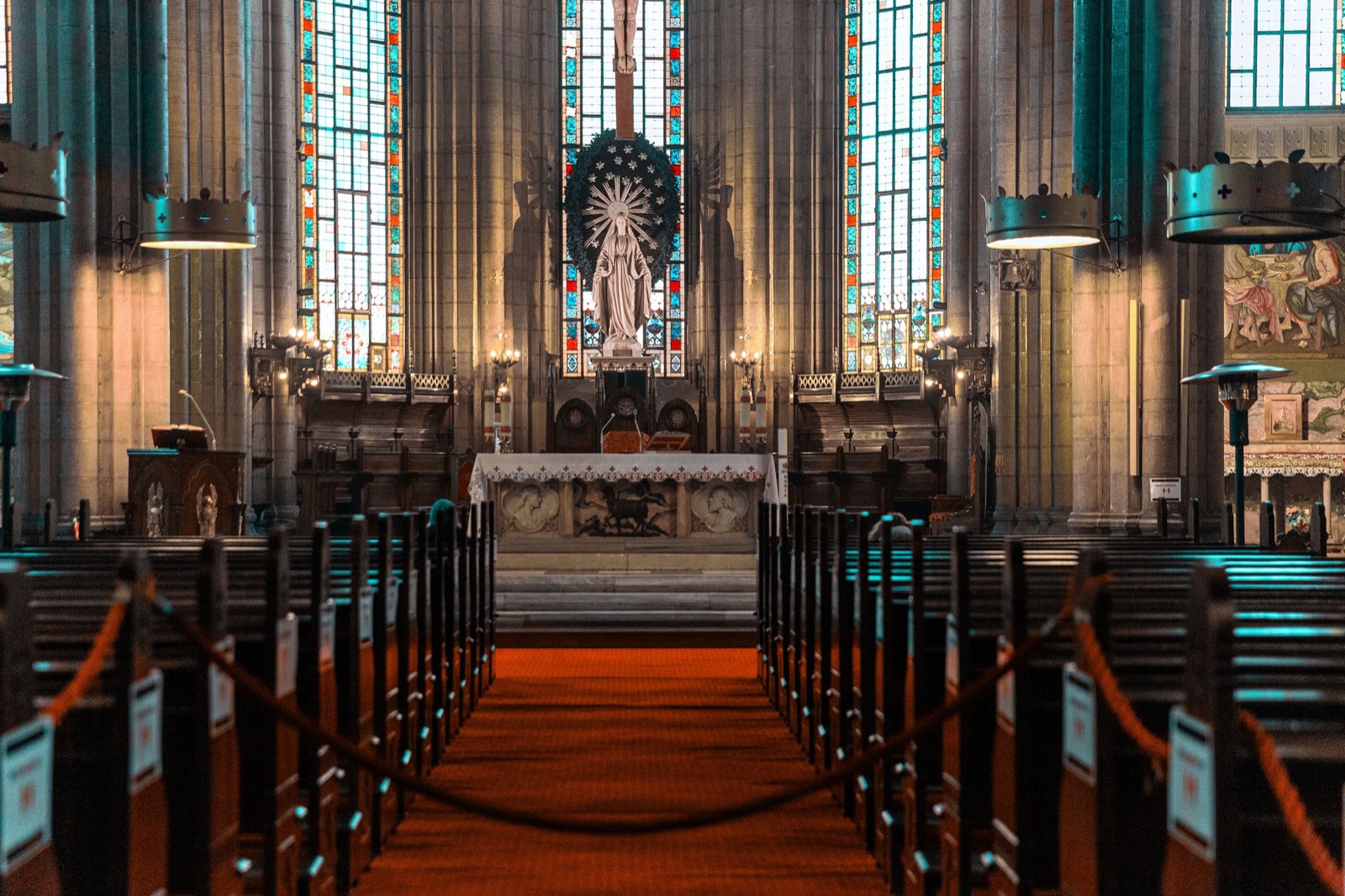
Il rito del battesimo dura in genere meno di mezz’ora, a volte anche meno se il parroco lo celebra insieme ad altri bambini lo stesso giorno. Per questo il servizio fotografico si concentra su un numero limitato di ore: il tempo del rito, qualche ritratto subito dopo con i genitori e i padrini, e poi la festa, che di solito pesa di più sulla durata complessiva della giornata rispetto alla cerimonia stessa.
La comunione si celebra quasi sempre dentro una messa completa, che può durare un’ora o più, con la processione, l’omelia e la fila per ricevere l’ostia che coinvolge spesso decine di bambini insieme. Significa più tempo in chiesa, ma anche più materiale fotografico da cui scegliere: la sequenza della processione, il momento in cui ogni bambino riceve l’ostia, gli sguardi dei genitori da lontano.
Confirmation is also celebrated as part of a Mass, often in the presence of a bishop, which means the service takes slightly longer than a normal Sunday Mass. The least predictable aspect is the behaviour of the young people: some participate attentively, whilst others count down the minutes, and the photographer must be able to capture both reactions without making them seem out of place in the narrative of the day.
The part in church is only half the story: what happens afterwards, at the celebration, differs just as much between the three rites. At a christening, the celebration is almost always a family lunch or afternoon tea, with the baby either sleeping or being passed from arm to arm: the best photos are taken by those who simply observe without directing anything. At a First Communion, the celebration is longer and more lively, often with other children of the same age invited along with their families, and this is when group photos really come into their own – something that would make little sense at a christening. At Confirmation, on the other hand, the celebration begins to resemble that of an older teenager: fewer organised games, more time spent with friends, and a few spontaneous photos that are worth more than ten staged poses. Understanding in advance what sort of celebration is in store helps you decide how many hours of coverage you’ll actually need, rather than applying the same formula to all three ceremonies.

Tell me how the day will be organised and let’s work out the right cover together.
Non tutti i fotografi che fanno bene i matrimoni sono altrettanto a loro agio con un neonato in braccio a un padrino nervoso, o con un gruppo di tredicenni che non hanno nessuna voglia di stare in posa. Vale la pena chiedere, prima di prenotare, se chi vi state per affidare ha esperienza specifica con l’età del protagonista della vostra cerimonia, non solo con “le foto in chiesa” in generale. Un’altra domanda utile è come lavora durante il rito: chi si muove troppo, o usa il flash senza criterio, rischia di distrarre più lui stesso che di raccontare bene il momento. Infine, soprattutto per comunioni e cresime che coinvolgono gruppi di famiglie, è utile capire in anticipo se il fotografo prevede anche foto di gruppo organizzate, o se lavora solo in reportage: sono due stili diversi, e meglio saperlo prima che il giorno stesso.
Quello che non cambia, al di là dell’età del protagonista, è l’approccio di fondo: osservare prima di intervenire, e intervenire solo quando serve davvero. Con un neonato significa restare pronti per un gesto che dura pochi secondi; con un bambino di otto anni significa seguirlo mentre partecipa senza farlo sentire sotto esame; con un adolescente significa avere il buon senso di sparire quando serve, e di esserci quando conta. È lo stesso principio che uso per i matrimoni, applicato a tre momenti della vita molto diversi tra loro, ma legati dalla stessa idea: la foto migliore è quasi sempre quella che nessuno ha organizzato apposta.
Can the same photographer be booked for several occasions involving the same family? Sì, e capita spesso: molte famiglie richiamano lo stesso fotografo dal battesimo alla comunione, perché conosce già lo stile che preferiscono e non c’è bisogno di spiegare tutto da capo.
Is it worth having a second photographer for First Communion celebrations with lots of children present? Per comunioni numerose, con tanti bambini che ricevono l’ostia nello stesso momento, un secondo punto di vista aiuta a non perdere nessuno dei momenti principali, soprattutto nella processione.
What happens if a child or young person doesn’t want to be photographed? It happens, especially at confirmation ceremonies: in those situations, I take a more low-key approach, letting the discomfort pass of its own accord rather than insisting on poses that would only make matters worse.
Are photos also taken outside the church, either before or after the service? Sì, spesso sono le foto più naturali della giornata: l’arrivo, i saluti fuori dalla chiesa, il primo abbraccio dopo la cerimonia, prima ancora di entrare nella parte più formale del rito.
How far in advance should you book a photographer for these ceremonies? Qualche mese di anticipo è quasi sempre sufficiente, ma nei periodi più richiesti (primavera, prima dell’estate) è meglio muoversi con un po’ più di margine per non ritrovarsi senza disponibilità nella data scelta dalla parrocchia.
Does the photographer need to ask the parish for permission before the ceremony? Sì, è buona norma farlo sempre, anche quando la famiglia ha già parlato con il parroco: ogni chiesa ha le sue regole su dove ci si può muovere e se è permesso l’uso del flash, ed è meglio chiarirlo prima del giorno piuttosto che scoprirlo durante il rito.
What difference does it make if the ceremony takes place in a small or very crowded church? In a small church, or one with a large number of guests, there is limited space to move about: in such cases, it is worth arriving early to scout out the best vantage points before the church fills up, rather than winging it once the service has already begun.
Do you need a different photographer if your family is celebrating several occasions at the same time? No, quite the opposite: it’s often the case that, in the same spring, a family has both a First Communion and a Confirmation for different cousins, and having a single photographer for both simply makes things easier, without having to go over the same instructions from scratch every time.
Se stai organizzando un battesimo, una comunione o una cresima in Toscana, scrivimi: ti dico come lo racconterei, tenendo conto dell’età di chi sarà al centro della giornata e di come si svolgerà il rito. Christening photographer — First Communion photographer — Confirmation photographer.
 Italian Italian
 English